
Triuncina
Triuncina
Description
How to identify
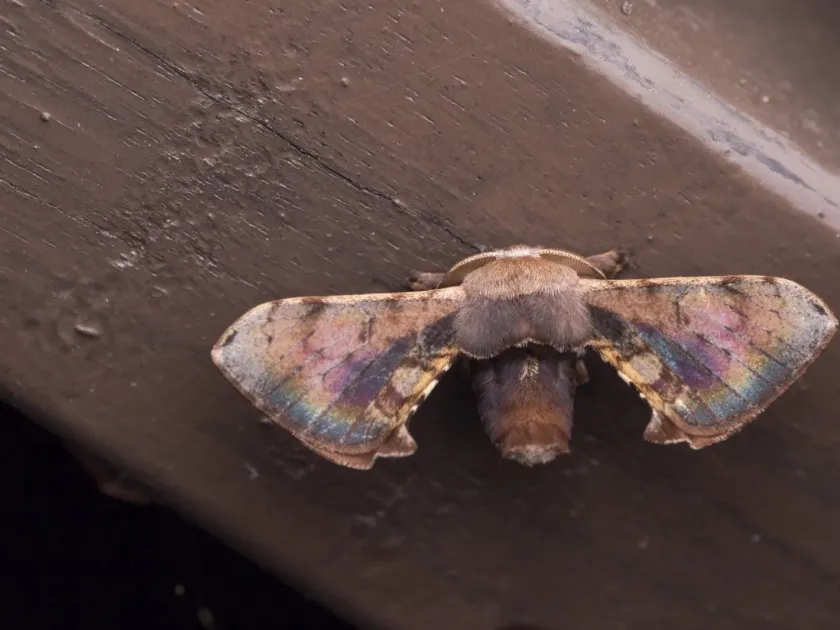
Triuncina is a genus of moths belonging to the family Geometridae, order Lepidoptera. These insects are widely known for their larvae, commonly referred to as loopers, due to their unique method of locomotion.
Adult moths typically possess cryptic coloration that allows them to blend seamlessly with tree bark or leaf surfaces, serving as a primary defense mechanism against avian predators.
Taxonomically, the genus is classified based on detailed morphological studies of genitalia, which provides the necessary precision for species differentiation in the field.
The life cycle encompasses a complete metamorphosis, transitioning through four distinct stages: egg, larva, pupa, and adult.
The larvae often exhibit camouflage colors that match the host plant tissue, making them difficult to detect during standard field inspections.
What it damages
The damage is primarily inflicted by the larvae, which feed voraciously on the foliage and, in some cases, young shoots of various plants.
The host range includes a wide array of deciduous trees, shrubs, and specific agricultural crops, making them a significant concern in certain horticultural settings.
By consuming leaf tissue, the larvae disrupt the plant's photosynthetic capacity, which directly results in reduced nutrient accumulation and impaired growth vigor.
High population densities can lead to severe defoliation, where the plants are left with only the skeletonized vein network of the leaves.
Stunted development and reduced fruit or seed yield are common economic consequences of infestations that occur during critical crop development stages.
When it appears
The emergence of this pest is highly synchronized with the growing season, with adult moth activity typically beginning in late spring as temperatures rise.
The timing of the life cycle is strictly regulated by climatic conditions, with most regions experiencing one or two generations per year depending on the heat accumulation.
Larval activity is most pronounced during early to mid-summer, matching the period of rapid vegetative growth in many host plant species.
The overwintering stage usually takes place as a pupa, either embedded in the soil or tucked away within leaf litter, providing a buffer against winter cold.
Weather patterns, particularly humidity levels and spring temperatures, act as the primary drivers for the speed of development and population survivability.
Signs of infestation
The most prominent sign of an infestation is the presence of irregular, ragged-edged holes or notches on the leaf blades.
Frass (larval excrement) left on the foliage or at the base of the plant is a reliable indicator that caterpillars are actively feeding nearby.
Plants showing signs of suppressed growth, drooping, or localized tissue necrosis often indicate the presence of significant larval feeding activity.
Visual inspection of the underside of leaves during the cooler parts of the day often reveals the larvae, which typically remain stationary while resting.
Silky webbing, which the larvae use to fold leaves or create small protective enclosures, serves as another distinct diagnostic feature of their presence.
Control measures
Cultural control, such as deep autumn tillage, is highly recommended to disrupt the pupal stage and reduce the emergence of the next year's generation.
Field sanitation is critical, as removing weeds from the borders of fields prevents the buildup of the pest population before it migrates to the crops.
Biological control agents, including microbial insecticides like Bacillus thuringiensis, offer an effective and eco-friendly way to manage larval populations.
If chemical intervention is necessary due to reaching economic injury levels, targeted application of approved insecticides should be performed.
Integrating pheromone trap monitoring into the farm management plan allows for precise timing of interventions, ensuring maximum efficacy while minimizing unnecessary chemical use.
Taxonomy
- Latin name
- Triuncina
- Order
- Lepidoptera (butterflies)
- Family
- Bombycidae
- EPPO code
- TRUNSP
Discussion
No discussions yet — be the first.