
Theophila
Theophila
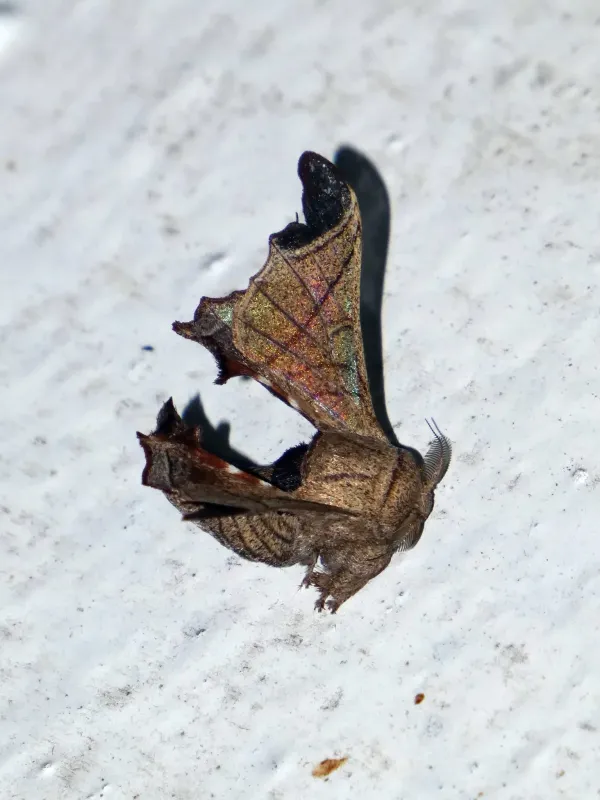
Description
How to identify
Theophila (genus Theophila) belongs to the order Lepidoptera and the family Tineidae. These insects are known for their larvae that occupy cryptic niches, often dwelling within the bark or tissues of host plants.
Adult moths are typically small, with a wing span of approximately 15-20 mm, featuring cryptic coloration that blends seamlessly into tree bark, making them difficult to spot during daylight.
The larvae are characterized by a cylindrical body and robust mandibles, adapted for burrowing and consuming the structural or vascular tissues of woody plants.
The life cycle encompasses four distinct stages: egg, larva, pupa, and adult. Each stage is strategically timed to maximize survival, with overwintering occurring in the larval or pupal stage.
The biological success of this pest is largely due to its ability to remain hidden for most of its life cycle, complicating detection until significant damage has already occurred.
What it damages
The primary damage is inflicted by larvae tunneling into the cambium and inner bark, which disrupts the sap flow and weakens the structural integrity of the affected branches.
Severe infestations can lead to partial or total necrosis of the bark, causing stunted growth, leaf chlorosis, and in critical cases, the death of the host plant.
Larval tunnels serve as entry points for various pathogenic fungi and bacteria, leading to secondary infections that accelerate wood decay and rot.
Nursery stock is particularly vulnerable, as the aesthetic and physiological damage renders the plants unsellable and often leads to the destruction of entire batches.
Economic losses are often underestimated, as the hidden nature of the damage makes it difficult to assess the full extent of the infestation before symptoms appear.
When it appears
Adult emergence generally occurs during late spring and early summer, triggered by rising temperatures and photoperiod shifts, signaling the start of the breeding season.
The active feeding phase of the larvae spans throughout the summer months, with the most aggressive destruction occurring as they prepare for the pupal stage.
Pupation typically concludes by late summer or early autumn, with the insects preparing to enter a period of diapause to survive the winter months under protective shelter.
Environmental variables, such as humidity and winter temperatures, significantly influence the mortality rate of overwintering larvae, directly affecting population density in the following year.
Agronomists rely on monitoring flight activity using pheromone traps to pinpoint the exact timing for intervention, thereby optimizing the use of control agents.
Signs of infestation
The most reliable indicator of an infestation is the presence of small entrance holes on the bark, accompanied by frass (larval waste) that resembles fine sawdust.
Localized branch dieback, where foliage turns brown or wilts while neighboring branches remain healthy, often suggests restricted nutrient transport due to larval tunneling.
The weeping of sap or gum from small holes in the trunk is a strong diagnostic sign, indicating that the larvae have successfully penetrated the inner bark layers.
Bark peeling or cracking around the infested areas is a classic sign of long-term activity, as the tree attempts to heal wounds caused by the feeding larvae.
During winter pruning, the discovery of cocoons or pupal cases within bark crevices confirms the presence of the pest and justifies immediate treatment protocols.
Control measures
Sanitation practices, including the removal and destruction of infested branches, are critical to reducing the local pest population before the next emergence cycle.
The application of systemic insecticides at the appropriate phenological stage is the most effective chemical method to target larvae before they burrow too deeply into the wood.
Maintaining tree vigor through proper irrigation and fertilization improves the plant's natural defense mechanisms, making them more resilient against pest attacks.
Biological control, involving the augmentation of beneficial predatory insects or the use of microbial insecticides, provides a sustainable management option.
- Regular inspection of bark and stem health.
- Pruning and removal of infected wood.
- Targeted insecticide applications during larval emergence.
- Pheromone monitoring for population density tracking.
Taxonomy
- Latin name
- Theophila
- Order
- Lepidoptera (butterflies)
- Family
- Bombycidae
- EPPO code
- THEPSP
Discussion
No discussions yet — be the first.