
Trichocellus
Trichocellus
Description
How to identify
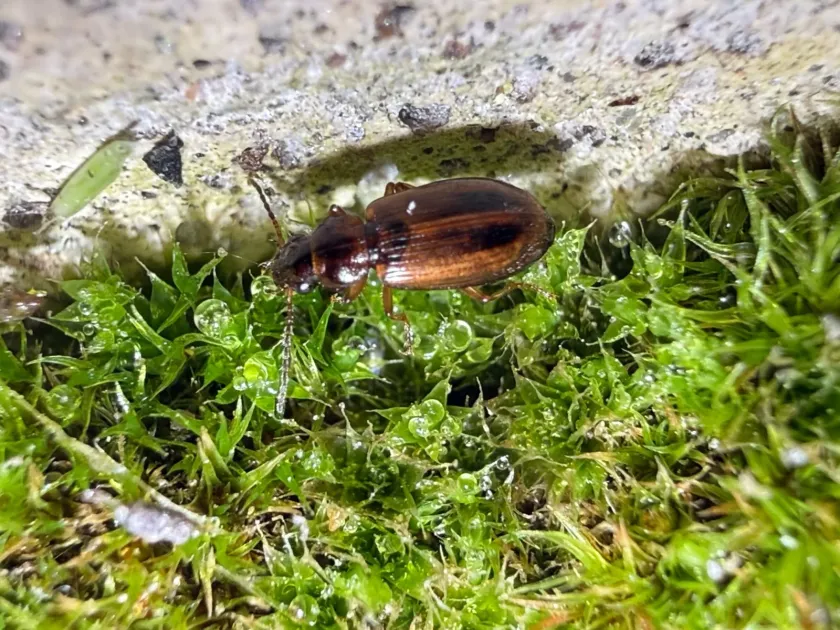
Trichocellus is a genus of ground beetles (Carabidae) within the order Coleoptera, typically small in size ranging from 4 to 6 millimeters.
These beetles possess a convex body shape, often exhibiting a dark brown or reddish hue with a subtle matte or metallic luster.
The head is well-developed with biting mouthparts, and they feature 11-segmented antennae characteristic of the family.
Their legs are designed for rapid movement, allowing them to traverse the soil surface and plant debris with high agility.
Larvae are elongated with distinct thoracic legs and hardened cuticles, which provide necessary protection in their soil-dwelling habitat.
What it damages
Unlike many predatory ground beetles, some Trichocellus species exhibit phytophagous behavior, targeting the reproductive organs of agricultural plants.
The most significant damage is observed in cereal crops such as wheat, barley, and rye, particularly during the seed development stages.
Adult beetles feed on developing grains in the milk or dough stage, which results in reduced yield and compromised grain quality.
High population densities, especially during dry years, can lead to substantial economic losses in infested fields.
Direct damage to the grain may also create entry points for secondary fungal infections, further degrading the harvest quality.
When it appears
The life cycle of Trichocellus is closely linked to the phenological development of grain crops and regional climatic conditions.
Peak activity occurs from late spring through summer, coinciding with the heading and grain-filling stages of cereal crops.
Adult beetles typically overwinter in plant debris, under soil clods, or in bordering hedgerows, emerging as temperatures rise.
Oviposition takes place in the soil, followed by larval development through several instars before the pupation process occurs.
Humidity and temperature fluctuations significantly influence their activity levels and reproductive success throughout the growing season.
Signs of infestation
The primary sign of infestation is the presence of hollowed-out grains within the ear, which can be confirmed by inspecting the crop.
Remnants of seed husks and insect excrement on the spikes are common indicators of the beetle's feeding activity.
During evening hours, beetles may be observed crawling on the plants or the ground near the base of the stems.
Soil-based pitfall traps are highly effective for monitoring beetle populations before extensive damage occurs to the crop.
Inconsistent grain development and localized areas of yield loss within the field are reliable indicators of potential pest pressure.
Control measures
Effective agrotechnical measures include proper tillage, which destroys overwintering sites and disrupts the beetle's development cycle.
Maintaining crop rotation and controlling weeds in field margins significantly reduces the availability of secondary food sources and refuges.
Chemical control should be implemented only when the economic threshold is exceeded, using registered insecticides during the grain-filling stage.
Preservation of natural enemies, including birds and other insect predators, contributes to the natural regulation of Trichocellus populations.
Regular field monitoring and scouting using standardized trap methods allow for informed decision-making regarding targeted protection measures.
Taxonomy
- Latin name
- Trichocellus
- Order
- Coleoptera (beetles)
- Family
- Carabidae
- EPPO code
- TCLLSP
Discussion
No discussions yet — be the first.