
Trechoblemus
Trechoblemus
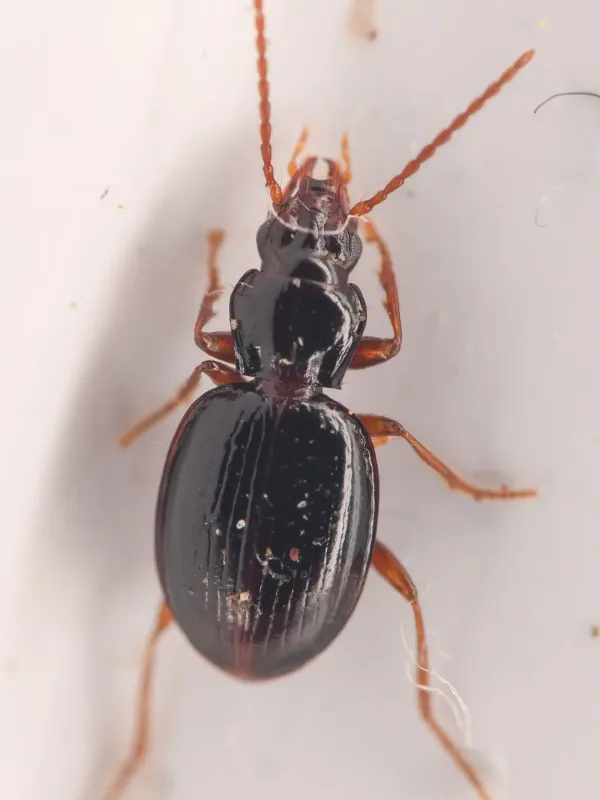
Description
How to identify
Trechoblemus is a genus of ground beetles (Carabidae) which, while typically predatory, can sometimes act as agricultural pests under specific environmental conditions.
The adult beetles are generally small, agile insects with a body structure optimized for crawling through narrow soil crevices and dense vegetation.
The larvae are subterranean, slender, and highly mobile, allowing them to traverse the upper soil layers to locate food sources, including sprouting seeds.
Their nocturnal nature makes them difficult to monitor during daylight hours, as they remain hidden under soil clumps, debris, or deep within the ground.
Accurate identification usually requires specialized entomological knowledge or the use of pitfall traps to monitor their presence in the field.
What it damages
The primary damage caused by Trechoblemus occurs during the sensitive germination phase of cereal and vegetable crops when shoots are most vulnerable.
Beetles and their larvae can consume sprouting seeds, kill tender embryos, or feed on the base of young stems, leading to severe stand thinning.
This feeding activity often creates entry points for soil-borne pathogens, leading to secondary infections that cause plant decay and further yield loss.
Fields with high moisture content are particularly susceptible, as these conditions favor the movement and survival of the pest near the soil surface.
In high-density populations, Trechoblemus can cause significant economic damage by necessitating re-seeding of affected areas.
When it appears
Adult Trechoblemus typically emerge in early spring, becoming active as soon as the soil temperatures rise above the threshold for insect development.
The period of maximum damage corresponds with the sowing season and the appearance of early seedling growth, which is critical for crop establishment.
Seasonal weather patterns, especially prolonged spring rains, can significantly increase the activity and survival rate of the larvae in the soil.
As summer temperatures increase and soil moisture decreases, the beetles tend to retreat deeper into the ground, reducing their surface-level impact.
A secondary peak of activity may occur in the autumn before the insects enter their winter dormancy phase.
Signs of infestation
The most visible sign of infestation is the irregular thinning of crop rows or patches of dead seedlings appearing shortly after germination.
Examination of the soil around affected plants often reveals small holes and damaged underground structures, including gnawed stems or root systems.
Seedlings may suddenly wilt and die, even when the aerial parts of the plant appear initially healthy and untouched by other common pests.
Using soil sampling techniques or sticky traps at the field level can confirm the presence of Trechoblemus when plant damage is detected.
Careful observation of the roots for irregular, chewed-off edges provides a strong indication of subterranean insect herbivory.
Control measures
Strategic tillage, such as deep autumn plowing, is an effective mechanical method to disrupt the life cycle and destroy wintering sites.
Crop rotation remains a fundamental component of integrated pest management to prevent the continuous build-up of Trechoblemus populations.
The use of professional seed treatments with systemic insecticides provides a critical layer of protection for seeds and seedlings during the emergence phase.
Maintaining a clean field by removing debris and weeds reduces the availability of secondary food sources and shelters for the beetles.
- Utilize soil moisture monitoring to predict potential risk periods.
- Ensure uniform and rapid crop emergence through precise sowing practices.
- Apply soil insecticides only when monitoring thresholds are exceeded to maintain biodiversity.
Taxonomy
- Latin name
- Trechoblemus
- Order
- Coleoptera (beetles)
- Family
- Carabidae
- EPPO code
- TBLMSP
Discussion
No discussions yet — be the first.