
Peach blossom moth
Thyatira
Description
How to identify
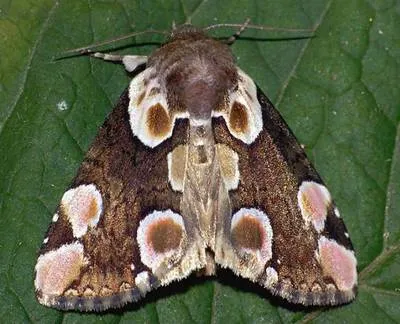
The Peach blossom moth, known scientifically as Thyatira batis, belongs to the Drepanidae family. It is a striking nocturnal moth easily recognized by the five distinctive pink-brown, petal-shaped markings on its forewings, which resemble small flowers.
Adult moths have a wingspan ranging from 35 to 45 mm. Their cryptic coloration, featuring a mix of dark brown, olive, and cream tones, allows them to blend perfectly with tree bark or decaying vegetation when they are at rest during the day.
The larvae are specialized caterpillars with a unique appearance. Their bodies are brownish and decorated with pale spots and humps, providing excellent camouflage against the stems of host plants like raspberries and blackberries.
Pupation occurs in a tough cocoon, typically hidden among leaf litter or within the soil at the base of the plant. This structure protects the developing insect from predators and harsh environmental conditions during the overwintering stage.
The biological cycle of the moth is finely tuned to the climate. Depending on the latitude and seasonal temperatures, it may produce one or two generations per year, with the emergence of adults synchronized with the availability of host plant foliage.
What it damages
The Peach blossom moth primarily targets members of the Rosaceae family. Raspberry and blackberry bushes are the most common victims, as they provide both the nutrition for caterpillars and a safe environment for their development.
Caterpillars cause damage by feeding on leaves. They start by nibbling at the edges and gradually progress to skeletonizing the foliage, consuming the soft tissues between the veins, which drastically impairs the plant's ability to photosynthesize.
Severe infestations can lead to partial or total defoliation of the bushes. This stress weakens the plants, reducing the current year's berry production and negatively impacting the accumulation of nutrients needed for winter survival.
The damage caused by feeding leaves an entry point for various secondary pathogens, including fungal infections. These infections can lead to premature leaf drop, stunted cane growth, and an overall decline in the health of the berry patch.
In young plantations, significant larval feeding can hinder the establishment of new canes. Protecting the canopy is crucial for ensuring vigorous growth and maintaining the structural integrity of the berry bushes.
When it appears
The first generation of adult moths usually appears from late May through June. This is the period when they mate and lay eggs on the undersides of the host plants' leaves, marking the start of the primary infestation risk.
Larval activity is at its peak during the summer months, specifically June and July. During this time, the caterpillars are growing rapidly and consuming large amounts of foliage to prepare for their pupation stage.
The moth spends the winter as a pupa within its cocoon. By hiding in the soil or protected leaf debris, it stays safe until the warming temperatures of spring trigger the emergence of the new adult generation.
In warmer regions, a partial or full second generation may occur in late summer. Growers must remain vigilant until the end of the season to ensure that late-stage larvae do not inflict unexpected damage on the ripening canes.
As autumn sets in, the remaining larvae pupate. Removing garden debris and cleaning up the soil surface around plants in late fall is an effective way to destroy pupae and reduce the overwintering population for the next year.
Signs of infestation
One of the earliest signs of an infestation is the presence of irregular "notches" eaten along the edges of the leaves. Since the caterpillars feed at night, they are often difficult to spot during the daylight hours.
Fecal droppings (frass) left on leaves or caught in leaf axils are a clear indicator of larval presence. If you notice these small dark pellets, the caterpillars are likely nearby, hiding on the underside of the foliage.
Look for leaves that are rolled or pulled together with light silk webbing. Caterpillars often use these structures to hide during the day and protect themselves from predators, camouflaging perfectly against the plant tissue.
Wilted or yellowing leaves on specific branches can suggest that the caterpillar has damaged the petiole or a main vein of the leaf, disrupting the supply of water and nutrients to that section of the plant.
If you see the adult moths flying near your garden at night, it is a warning that an infestation may be starting. Using light traps can help confirm their presence and assist in timing monitoring efforts more effectively.
Control measures
Effective management begins with good sanitation. Regularly weeding around the base of raspberry and blackberry bushes removes alternative food sources and destroys potential hiding spots for the moth larvae.
For small-scale growers, manual removal is a highly effective control method. Checking the undersides of leaves in the evening with a flashlight allows for the easy collection and destruction of the caterpillars before they cause significant damage.
Biological control using Bacillus thuringiensis (Bt) is an excellent choice for organic gardeners. This bacterium is highly specific to caterpillars and does not harm beneficial insects, making it a safe and environmentally friendly option.
When infestations exceed economic thresholds, authorized insecticides can be used. It is vital to select products that are registered for use on berry crops and to strictly adhere to the recommended pre-harvest interval to ensure food safety.
Encouraging natural predators such as birds, parasitic wasps, and predatory insects is a long-term strategy to manage population levels. A biodiverse garden environment can naturally keep the Peach blossom moth in check without the constant need for intervention.
Taxonomy
- Latin name
- Thyatira
- Order
- Lepidoptera (butterflies)
- Family
- Thyatiridae
- EPPO code
- THYTSP
Discussion
No discussions yet — be the first.