
Cymatophorima
Cymatophorima
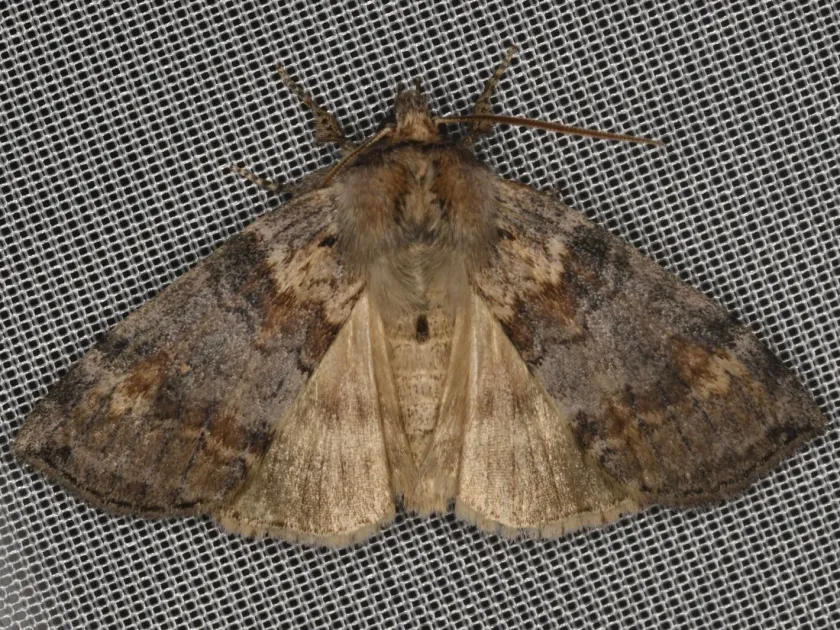
Description
How to identify
Cymatophorima is a genus of moths belonging to the family Drepanidae. The most well-known species within this genus is Cymatophorima diluta.
The adult moth is characterized by a wingspan of approximately 30–35 mm. The forewings feature distinct wavy transverse bands, which provide excellent camouflage against tree bark.
The larvae are typically slender and display protective coloration, allowing them to remain inconspicuous while feeding on their host plants, primarily oaks.
Taxonomically, the genus is placed within the subfamily Thyatirinae. These moths are strictly nocturnal and are known for being attracted to artificial light sources during the night.
The identification of the species in the field is usually based on the specific wing pattern and the host preference for deciduous trees.
What it damages
The primary food source for Cymatophorima larvae is the foliage of oak trees. They are considered forest-associated pests rather than agricultural ones.
The larvae feed on the leaf blades, often causing irregular holes or marginal leaf consumption. While usually not lethal to mature trees, heavy infestations can lead to significant defoliation.
In ornamental gardens, their feeding activity can reduce the aesthetic value of host trees. Seedlings in nurseries are the most vulnerable to damage from these larvae.
Unlike some other lepidopteran pests, they do not typically cause damage to fruit crops, as their nutritional requirements are highly specialized for hardwood species.
The larval stage is the only period during which the organism causes direct damage to the plant, specifically by reducing the leaf surface area available for photosynthesis.
When it appears
The life cycle of this moth is typically univoltine, meaning there is only one generation per year. Adult moths emerge in late summer, usually in August and September.
The eggs are laid on the twigs or leaves of the host tree, where they remain until hatching in the following spring.
The pupal stage is the overwintering form of the insect. The pupae are encased in sturdy cocoons hidden within leaf litter or crevices on the trunk.
Spring temperatures trigger the transformation into adults, starting the cycle anew. The feeding phase of the larvae occurs throughout the summer months.
Environmental factors, such as winter temperatures and humidity, play a crucial role in the survival rate of the overwintering pupae.
Signs of infestation
The primary indicators of infestation are damaged leaves, specifically showing irregular, notched edges on oak trees in the mid-to-late summer.
Frass (larval droppings) can often be found on the leaves or branches below the feeding area, serving as a clear sign of larval presence.
Searching the underside of leaves during the day may reveal the resting larvae, which are often well-hidden due to their color and texture.
Small, leaf-based shelters created by folding the leaf edges and securing them with silk indicate that the larvae are active or preparing for pupation.
The presence of cocoons embedded in dead leaves at the base of the tree is a late-season sign that the insect has completed its development.
Control measures
Management of Cymatophorima is rarely intensive because they seldom reach levels that threaten tree health, but cultural controls are effective.
Removing leaf litter from under host trees during autumn helps to eliminate the overwintering pupae, significantly reducing the next season's population.
Biological control, such as promoting the presence of insectivorous birds and parasitic wasps, is highly effective for keeping the population in check.
For high-value plants in nurseries, using microbial insecticides like Bacillus thuringiensis can manage larval populations without harming beneficial insects.
Chemical intervention should be considered a last resort, used only if defoliation exceeds established thresholds for the specific ornamental or forest species.
Taxonomy
- Latin name
- Cymatophorima
- Order
- Lepidoptera (butterflies)
- Family
- Thyatiridae
- EPPO code
- KYMASP
Discussion
No discussions yet — be the first.