
Cymatophorima diluta
Cymatophorima diluta
Description
How to identify
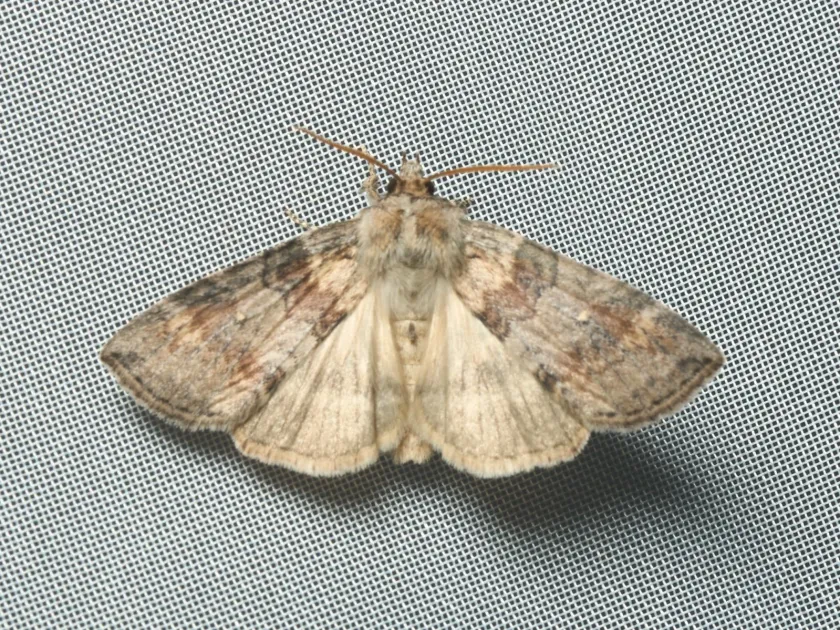
Cymatophorima diluta is a moth species within the Drepanidae family. Known for its specific wing pattern, this moth features distinct transverse dark bands across a brown or grayish ground color, aiding its camouflage.
The larvae are specialized leaf-feeders that blend perfectly with the foliage of their host trees. Understanding their taxonomic position as part of the order Lepidoptera helps in selecting appropriate monitoring techniques.
What it damages
The primary host plants for this species are various species of oak (Quercus). While they show a strong preference for oak trees, they may occasionally be found on other native broad-leaved deciduous trees.
Larval feeding causes defoliation, which can negatively affect the overall vigor of the tree. In cases of high infestation density, the aesthetic value and the photosynthetic capacity of the oak trees are significantly reduced.
When it appears
Adult moths typically emerge in late summer, with activity peaks occurring during August and September. This period marks the mating phase and the subsequent egg-laying cycle for the following generation.
The overwintering stage occurs in the egg form, secured to the bark or twigs. Larval development takes place during the spring and early summer months, coinciding with the flush of new leaves.
Signs of infestation
Characteristic signs of infestation include irregular leaf edges and partial skeletonization of leaves, where the soft tissue is consumed, leaving behind the tougher veins of the leaf.
Observation of frass accumulation beneath the canopy is a strong indicator of larval feeding high up in the tree crown, which might not be immediately visible from the ground level.
Control measures
Natural suppression by parasitic wasps and predatory birds remains the most sustainable method of control. Maintaining biodiversity in forest stands supports these natural biological controls.
In nursery settings or high-value landscapes, targeted biological insecticides based on Bacillus thuringiensis can be deployed during the early larval stages to manage populations without harming non-target beneficial insects.
Taxonomy
- Latin name
- Cymatophorima diluta
- Order
- Lepidoptera (butterflies)
- Family
- Thyatiridae
- EPPO code
- POLCDI
Discussion
No discussions yet — be the first.