
Asphalia
Asphalia
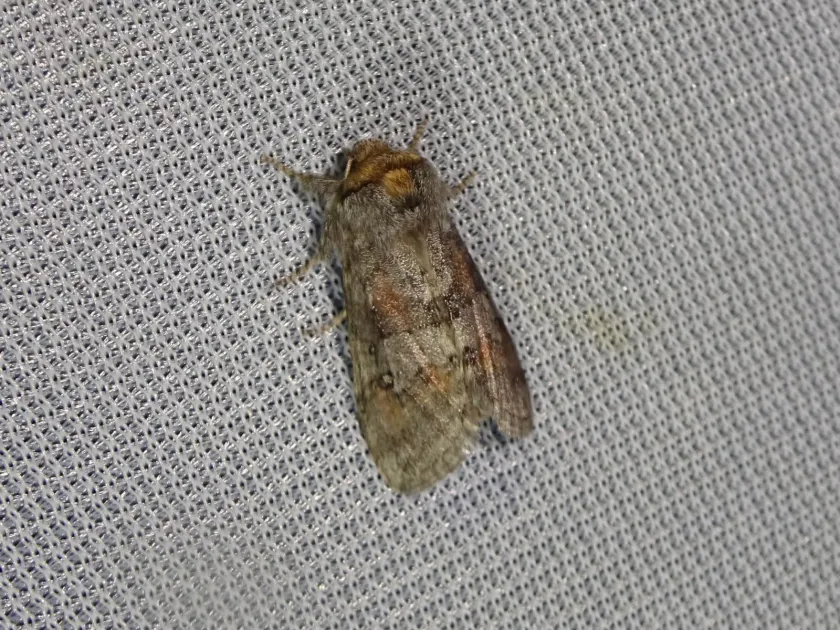
Description
How to identify
Asphalia is a genus of moths belonging to the Noctuidae family. These insects are characterized by their nocturnal behavior and camouflage wing patterns that mimic tree bark, making them hard to spot during the day.
The larvae are typically leaf-eating caterpillars. They undergo several molting stages, which significantly increase their consumption rates as they develop into larger instars, potentially threatening the host plant.
Taxonomically, the genus fits within a diverse group of moths known for their economic importance in forest and orchard ecosystems. Precise identification often requires examining the structure of the wing venation.
What it damages
The primary damage is caused by the larval stage feeding on the foliage of various woody plants. This defoliation can lead to a significant reduction in the plant's photosynthetic capacity.
In cases of high infestation, the larvae can cause severe stress to the host, leading to weakened growth, susceptibility to secondary diseases, and diminished aesthetic value in ornamental settings.
When it appears
The lifecycle is strictly synchronized with the phenology of their host plants. Adults typically emerge in the spring or early summer to mate and oviposit on fresh foliage or stems.
Larvae are active during the mid-to-late spring. They finish their feeding stage and pupate, often in the soil or within protective cocoons in bark crevices, before entering the next phase of their lifecycle.
Signs of infestation
Symptoms include irregular holes in leaves, notched margins, and sometimes complete skeletonization of the leaf tissue. Dense larval populations can lead to rapid thinning of the canopy.
Evidence of frass (larval excrement) on the leaves or the ground beneath the host tree is a definitive sign of an active infestation that warrants immediate attention.
Control measures
Integrated Pest Management (IPM) for Asphalia focuses on combining cultural and chemical controls. Maintaining plant vigor is the first line of defense against pest outbreaks.
Applications of microbial insecticides such as Bacillus thuringiensis are highly recommended as they specifically target lepidopteran larvae while preserving the natural predator populations.
- Light traps for monitoring adult moth populations.
- Manual removal of egg clusters on accessible branches.
- Encouraging biological control agents like parasitic wasps and birds.
Taxonomy
- Latin name
- Asphalia
- Order
- Lepidoptera (butterflies)
- Family
- Thyatiridae
- EPPO code
- ASHLSP
Discussion
No discussions yet — be the first.