
Firebrat
Thermobia domestica
Description
How to identify
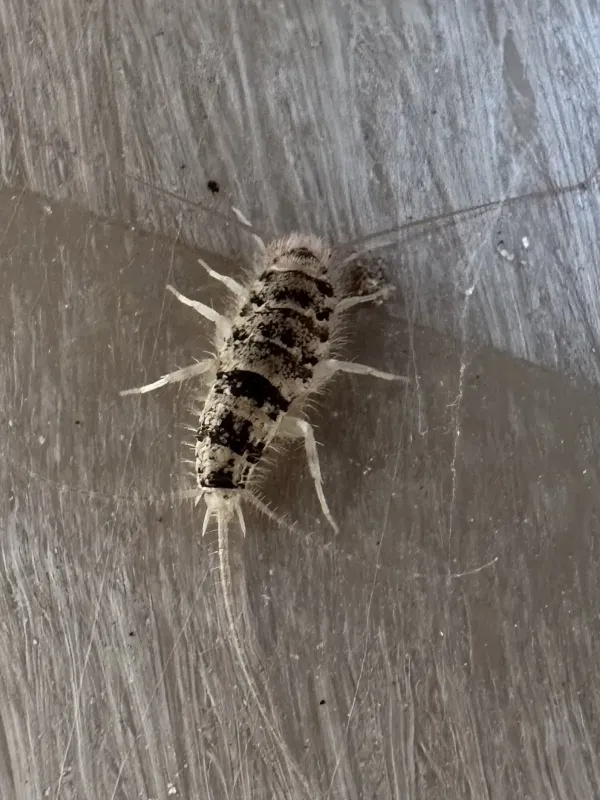
The firebrat (Thermobia domestica) is a wingless insect of the order Zygentoma and the family Lepismatidae. It typically grows up to 12 mm in length and is covered with dark, mottled scales.
Unlike its relative, the silverfish, the firebrat thrives in high-temperature environments, specifically preferring areas between 30 and 40 degrees Celsius.
The body is elongated and carrot-shaped, ending in three long filaments. Its antennae are very long, helping it navigate in dark, cramped spaces near heaters and boilers.
Firebrats undergo simple metamorphosis. They are long-lived insects capable of molting throughout their adult lives, which makes them highly resilient to environmental changes.
Females deposit eggs in cracks and crevices. If conditions are optimal, the population can increase rapidly, as the incubation period is significantly shortened by heat.
What it damages
Firebrats are polyphagous pests known for feeding on carbohydrate-rich materials, including cereals, flour, starches, and other plant-based food products.
In agricultural settings, they can damage seedling germination by consuming seeds stored in warehouses, leading to significant economic losses in seed stock.
They are also notorious for damaging books, wallpaper, and synthetic fibers because they consume the starch-based glues used in binding and manufacturing.
The damage often goes unnoticed because firebrats are nocturnal and tend to feed in inaccessible areas where human inspection is rare.
Heavy infestations can lead to contamination of food supplies with excrement and cast-off skins, rendering products unfit for consumption.
Signs of infestation
The presence of fine, black, pepper-like droppings scattered near food storage areas or on shelves is a primary sign of a firebrat infestation.
Small irregular holes in food packaging or slight scraping on the surfaces of cardboard boxes indicate the presence of feeding activity.
You may encounter the insects themselves when moving stored items or cleaning behind heating equipment, as they scatter quickly when disturbed.
The discovery of molted skins (exuviae) in hidden corners or cracks is another clear indication that a population is actively living and growing in the area.
In high-density areas, there might be a subtle, musty odor caused by the accumulation of insect waste and their life activities in confined spaces.
Control measures
Sanitation is the most critical control measure. Keep warehouses and pantries clean of any organic debris, dust, and spilled food particles to reduce food sources.
Modifying the environment by lowering the ambient temperature and humidity levels effectively prevents the rapid reproduction of firebrats.
Sticky traps placed strategically in corners and along walls can help monitor population levels and provide a low-toxicity way to capture adults.
Insecticide treatments targeted at cracks, crevices, and baseboards where firebrats hide are effective for controlling established populations.
- Seal cracks and crevices with professional-grade caulk.
- Maintain low humidity and ventilation in storage areas.
- Keep stored products in airtight containers.
- Regularly inspect and clean behind heaters and machinery.
Taxonomy
- Latin name
- Thermobia domestica
- Family
- Lepismatidae
- EPPO code
- THRMDO
Discussion
No discussions yet — be the first.