
Firebrat
Thermobia
Description
How to identify
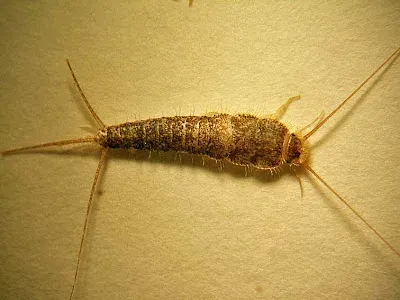
The firebrat (Thermobia domestica) is a wingless insect belonging to the order Zygentoma and the family Lepismatidae. It has a characteristic carrot-shaped body reaching 1–1.5 cm in length, covered with greyish scales.
A distinctive feature of this species is the presence of three long filaments at the end of the abdomen and two long antennae on the head. Unlike common silverfish, firebrats thrive in significantly higher temperatures.
These insects are primarily nocturnal and possess highly developed limbs, allowing them to move rapidly across vertical surfaces and hide in narrow crevices during the day.
Nymphs resemble adults in appearance but are smaller and paler in color, which often makes early detection difficult without a thorough inspection of the area.
Proper identification is crucial, as firebrats have specific environmental requirements compared to other related species, which dictates the focus of control measures.
What it damages
The firebrat is a significant pest not only for stored goods but also for crops in greenhouses and nurseries where high temperatures are maintained for plant growth.
In greenhouse conditions, firebrats damage young shoots of ornamental and agricultural crops by feeding on leaf tissues, causing irregular holes and deformation of the foliage.
Considerable economic damage occurs when they infest storage facilities, consuming starch-based products, paper materials, book bindings, and organic fabrics, posing a threat to seed stocks.
Damage to delicate plant parts weakens the plants' immune systems, making them susceptible to secondary fungal and bacterial infections that can lead to crop loss.
Due to their omnivorous nature, firebrats adapt easily to various environments, surviving on any organic debris, which makes them persistent pests in various indoor settings.
When it appears
Firebrats are active year-round because their entire life cycle is tied to heated indoor environments that provide a stable, artificial microclimate.
The optimal temperature range for reproduction and active development is between 30 and 40 degrees Celsius, making hot periods in uncooled greenhouses ideal for population surges.
During the winter, these pests concentrate near heating systems, steam pipes, and electrical appliances, continuing their reproduction and feeding without any period of dormancy.
The rate of development from egg to adult is highly dependent on temperature; under favorable thermal conditions, the life cycle is significantly shortened, fueling rapid population growth.
Outside of heated buildings, firebrats cannot survive in temperate climates, meaning their seasonal presence is strictly determined by the internal conditions of the structures they inhabit.
Signs of infestation
The main sign of firebrat presence is the accumulation of excrement, which looks like tiny black pepper-like specks found near their feeding and hiding spots.
Plants infested by firebrats exhibit irregular, eaten-out areas on leaves, often accompanied by chlorosis and necrosis along the edges of the damaged tissue.
Shed scales and molted chitinous remains are clear markers of an active colony, indicating that the population is growing and requires immediate intervention.
The insects themselves are rarely seen, as they are extremely shy and respond to light or vibrations by instantly retreating into deep crevices or soil substrates.
- Damage to paper packaging, seed packets, and documents.
- Evidence of gnawing on seedlings and young leaves.
- Visible insect activity near heat-generating equipment.
Control measures
The primary control measure involves maintaining strict control over temperature and humidity levels in greenhouses to make the environment less conducive for the pest.
Rigorous sanitation, including the removal of organic debris, plant remains, and old paper, effectively eliminates food sources and hiding places for firebrats.
Sticky traps placed along baseboards and near suspected harborage areas help in monitoring population levels and reducing the number of active adults.
The application of pyrethroid-based insecticides is effective against adults; however, treatment must target the hidden locations where they nest, such as cracks in masonry or wood.
Sealing cracks and gaps in building structures and ensuring regular ventilation are vital practices to prevent migration and infestation, providing long-term protection for crops and assets.
Taxonomy
- Latin name
- Thermobia
- Family
- Lepismatidae
- EPPO code
- THRMSP
Discussion
No discussions yet — be the first.