
Tethea
Tethea
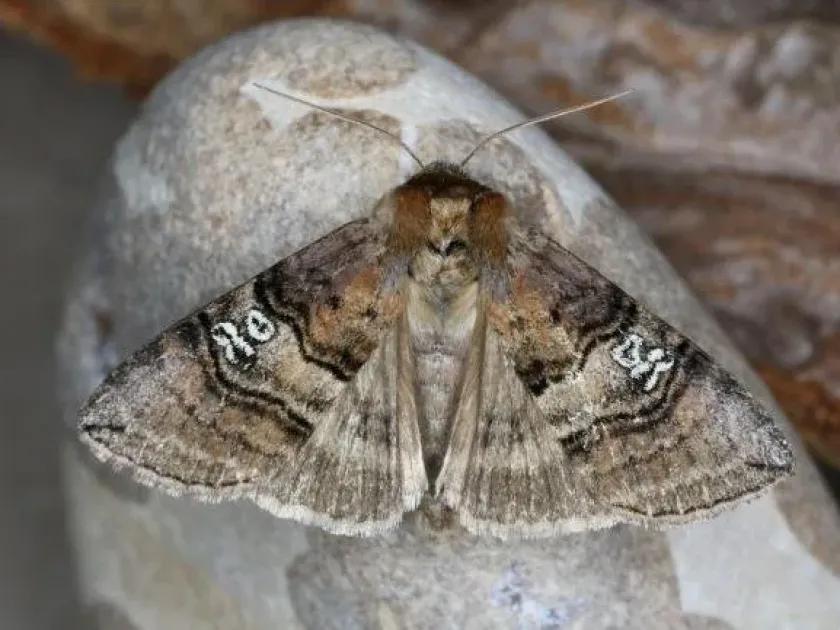
Description
How to identify
The Tethea genus belongs to the Drepanidae family, commonly known as hook-tip moths. These moths are nocturnal and possess excellent cryptic coloration, mimicking bark to remain invisible.
The adults typically have a wingspan of 35-45 mm, with intricate patterns on their forewings that serve as camouflage against tree trunks during the day.
The larvae, or caterpillars, are host-specific feeders. They have evolved specialized morphologies to blend into the foliage of their host trees, often resting along the leaf veins.
Their life cycle includes complete metamorphosis. The pupal stage is protected by a silken cocoon, which is often spun among leaves or within bark crevices for winter survival.
As members of the order Lepidoptera, they undergo four distinct developmental stages: egg, larva, pupa, and adult, with development rates depending heavily on environmental temperatures.
What it damages
Tethea species primarily target deciduous trees, with a strong preference for members of the Salicaceae family, particularly poplar and aspen species.
Damage is exclusively caused by the larvae, which feed on leaves, moving from the margins toward the center, often resulting in skeletal remains of the foliage.
Severe infestations can lead to significant defoliation, which hampers the tree's photosynthetic ability and reduces overall growth vigor throughout the season.
Young trees in nurseries are particularly vulnerable, as repeated defoliation can stunt their development and lead to structural deformities in the branching system.
Persistent infestations weaken the host tree, making it more susceptible to opportunistic secondary pests like wood-boring beetles and various fungal pathogens.
When it appears
Adult moths typically emerge in late spring as temperatures rise, signaling the start of the breeding season for the first generation of the year.
Larval activity reaches its peak in mid-summer, typically from June through July, when the foliage is soft and provides sufficient nutrients for rapid growth.
Depending on the latitude and climate, some species may produce a second brood in late summer, with pupation occurring as temperatures begin to drop.
Winter is spent in the pupal stage, carefully hidden within a cocoon to survive the harsh conditions, ensuring the population persists until the following spring.
Monitoring for egg-laying activity should begin during the early growth phase of the trees to facilitate early intervention if population densities are high.
Signs of infestation
The most recognizable sign of Tethea activity is irregular foliage damage, often characterized by holes that expand until the leaf is heavily skeletonized.
Evidence of frass (larval waste) accumulating on leaves or on the ground beneath the tree canopy is a clear indicator of active feeding by caterpillars.
Some Tethea larvae employ silk to bind leaf edges together, creating a small shelter to protect themselves from predators and environmental stressors.
Visual identification of the caterpillars during a canopy inspection is the most reliable way to confirm an infestation before extensive damage occurs.
Observing a sudden decline in tree health, accompanied by canopy thinning during the mid-summer months, points towards high larval density in the upper branches.
Control measures
Cultural management involves removing dead wood and debris where larvae may seek shelter or where pupae may overwinter near the base of the tree.
Biological control using pheromone traps can effectively monitor adult populations, helping foresters and gardeners decide when to apply necessary treatments.
Applying microbial insecticides such as those containing Bacillus thuringiensis is highly effective and targets the larvae while preserving beneficial insect populations.
Encouraging natural predators such as insectivorous birds and parasitic wasps provides a long-term strategy for keeping Tethea populations in check.
- Use targeted pruning to remove highly infested branches early in the season.
- Maintain tree health through proper irrigation to build natural defenses.
- Implement chemical controls only as a last resort in high-value ornamental settings.
Taxonomy
- Latin name
- Tethea
- Order
- Lepidoptera (butterflies)
- Family
- Thyatiridae
- EPPO code
- TTHASP
Discussion
No discussions yet — be the first.