
Jasmine flat mite
Tenuipalpus jasmini
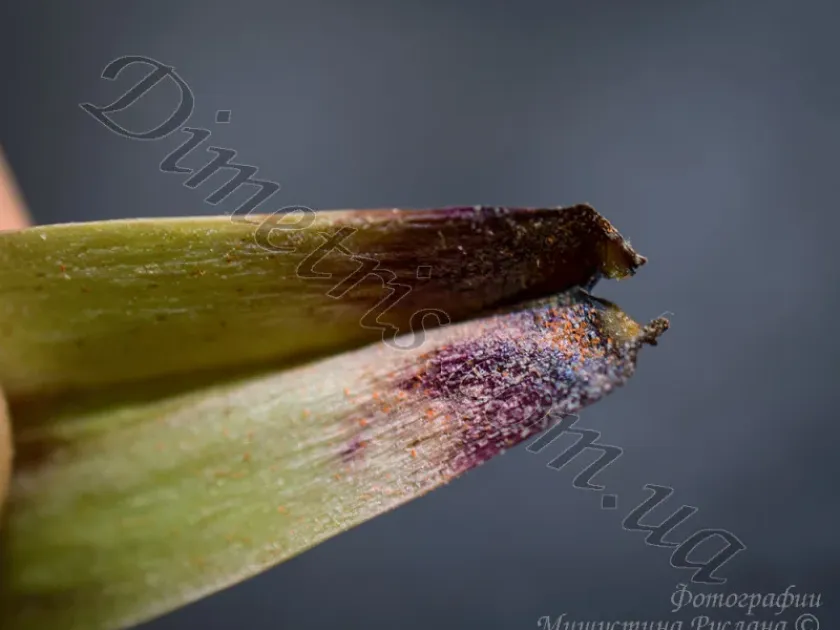
Description
How to identify
The jasmine flat mite, scientifically known as Tenuipalpus jasmini, belongs to the Tenuipalpidae family, commonly referred to as flat mites or false spider mites. Unlike typical spider mites, these microscopic pests do not spin webs.
Adult mites have a characteristically flattened, oval-shaped body, which allows them to hide effectively in the crevices of leaves and bark. They are extremely small and range in color from pale yellow to reddish-brown, making them difficult to spot without a magnifying tool.
The life cycle consists of the egg, larva, protonymph, deutonymph, and adult stages. Development is highly temperature-dependent; in warm conditions (25–30°C), the mite can complete its life cycle in as little as two weeks, leading to overlapping generations.
Reproduction occurs throughout the year in greenhouse environments. Females typically deposit their eggs individually or in small clusters along the veins on the undersides of leaves.
Their rapid reproduction rate allows populations to explode quickly, leading to heavy infestations if not managed during the early stages of plant growth.
What it damages
This mite primarily feeds on jasmine, but it can also infest various other ornamental shrub species. By piercing the epidermis, the mite feeds on the cell contents of the leaf tissue.
Feeding damage disrupts photosynthesis and weakens the plant's physiological functions. As a result, the plant begins to show signs of nutritional stress despite regular fertilization and watering.
Heavy infestations cause leaves to curl, yellow, and eventually drop prematurely. This leads to a severe loss of decorative value, which is particularly detrimental for commercial nurseries and ornamental gardens.
The damage caused by these mites can also serve as entry points for secondary pathogens, such as fungi or bacteria, which can further complicate the plant's recovery.
Plants affected by the jasmine flat mite show stunted growth, deformed shoots, and a significant reduction in the number and quality of flowers produced during the blooming season.
Signs of infestation
The first signs of infestation are small, chlorotic stippling marks on the upper leaf surface. Over time, these spots coalesce, turning the entire leaf a dull yellowish or bronzed color.
A key diagnostic feature is the complete absence of silken webbing, which distinguishes this species from the more common spider mites. This often leads to misdiagnosis by gardeners.
Distorted leaf margins, curling foliage, and the premature shedding of flower buds are strong indicators of a severe infestation. The leaves may also lose their natural luster and appear dusty.
Using a 10x magnifying glass, one can observe the tiny mites moving along the midribs or leaf stalks. The eggs are often found clustered in these same protected areas.
General lack of vigor and slow growth in the plant, combined with persistent yellowing, confirms that the plant is under attack by flat mites.
Control measures
Effective management requires a combination of physical monitoring and targeted chemical intervention. Regular inspection of the plant's undersides is critical for early detection.
Cultural practices include the removal and disposal of heavily infested plant parts. Maintaining adequate humidity and avoiding drought stress can make the plant less susceptible to high mite populations.
Chemical control must be focused on specific acaricides. Standard insecticides are generally ineffective against Tenuipalpus species, so choosing the right chemical class is vital.
- Application of specialized acaricides with both contact and systemic activity.
- Rotating chemicals with different modes of action to prevent the development of mite resistance.
- Applying treatments in intervals that coincide with the egg-laying and hatching cycles to break the life cycle effectively.
Always ensure thorough coverage of the foliage, especially the undersides and the base of the leaves, as these are the primary habitats for the jasmine flat mite.
Taxonomy
- Latin name
- Tenuipalpus jasmini
- Order
- Mites
- Family
- Tenuipalpidae
- EPPO code
- TENUJA
Discussion
No discussions yet — be the first.