
Pomegranate flat mite
Tenuipalpus granati
Description
How to identify
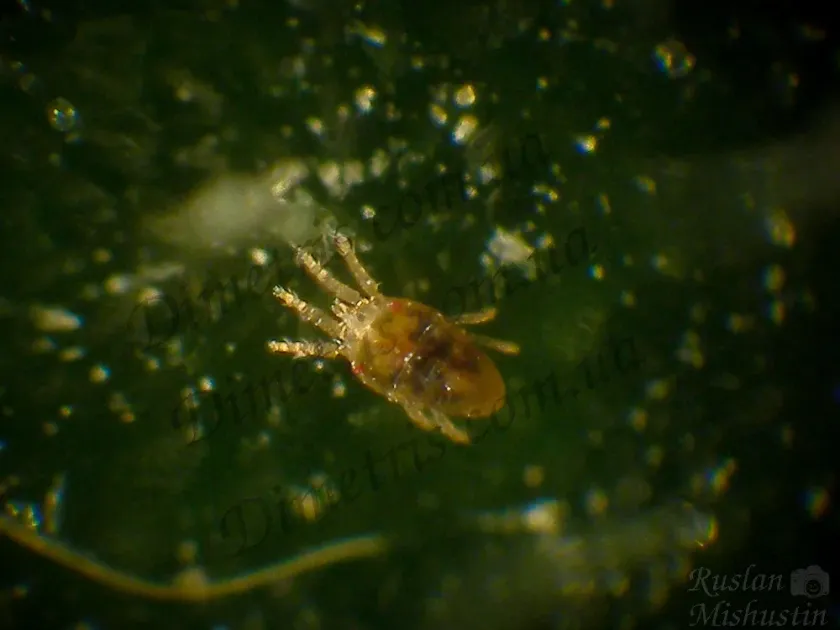
The pomegranate flat mite (Tenuipalpus granati) is a significant agricultural pest belonging to the Tenuipalpidae family. Unlike common spider mites, these pests are flat, oval-shaped, and exhibit a distinct reddish color, making them difficult to spot on the host plant.
They are members of the Acariformes order. Their lifecycle and physical characteristics are perfectly adapted for surviving in the crevices of bark and on the underside of pomegranate leaves, where they establish their colonies.
What it damages
The mite primarily targets pomegranate trees. By piercing the plant cells and feeding on the sap, the mites cause severe depletion of nutrients, which negatively impacts the overall metabolic functions of the tree.
Fruit quality is significantly degraded due to the feeding activity, which leaves marks on the skin and causes premature tissue death. If left unchecked, the damage can lead to substantial yield losses and stunted growth of the plant.
When it appears
The activity of the pomegranate flat mite peaks during hot and dry summer months. High temperatures accelerate their reproductive rate, leading to overlapping generations that can quickly overwhelm a tree's defenses.
The pest survives the winter season as adult fertilized females hidden within the deep fissures of the bark or under protective bud scales. As spring temperatures rise, they emerge and migrate to the new growth to begin feeding and reproduction.
Signs of infestation
Infestation is typically first indicated by chlorotic spotting on the leaves. These spots gradually expand as the colonies grow, leading to widespread yellowing, desiccation, and eventually the premature abscission of leaves.
- Visible scarring or "russeting" on the surface of pomegranate fruits.
- Stunted or deformed young shoots that fail to develop properly.
- A generally lackluster appearance of the tree canopy.
- Reduced vigor and vulnerability to secondary infections.
- Visible decline in total seasonal yield output.
Control measures
Effective management requires a combination of cultural practices and chemical interventions. Pruning and removing old, loose bark are essential steps to eliminate overwintering sites, significantly reducing the initial pest pressure in spring.
Chemical control should be implemented using targeted acaricides. It is crucial to ensure thorough coverage of the plant canopy, especially the underside of the leaves, and to rotate different chemical classes to prevent the development of resistant populations.
Taxonomy
- Latin name
- Tenuipalpus granati
- Order
- Mites
- Family
- Tenuipalpidae
- EPPO code
- TENUGR
Discussion
No discussions yet — be the first.