
Telechrysis tripuncta
Telechrysis tripuncta
Description
How to identify
Telechrysis tripuncta is a species of leaf beetle (Chrysomelidae) that functions as a specialized herbivore, often impacting both wild and agricultural plant populations.
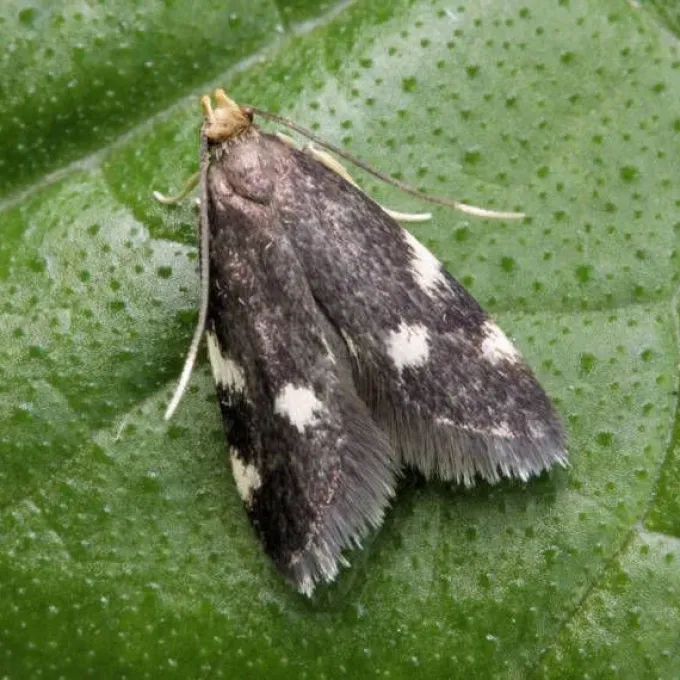
The adult insect is identified by its distinct dorsal pattern, which typically includes three dark spots on the elytra, serving as a key diagnostic feature.
Morphologically, the beetle displays the compact, rounded body typical of its family, allowing it to move efficiently across plant surfaces.
The larvae are specialized for leaf consumption and are often found on the undersides of leaves, protected by their subtle coloration or waxy secretions.
Like other coleopterans, this species undergoes complete metamorphosis, meaning each life stage has different ecological requirements and impacts on the host plant.
What it damages
This pest is known to target specific host plants, feeding on foliage and potentially affecting the overall vigor of the plant during the growing season.
Larval feeding typically results in window-pane damage or skeletonization, where the softer leaf tissues are consumed while the tougher veins remain intact.
Severe infestations can lead to a significant reduction in the photosynthetic capacity of the plants, which subsequently limits biomass production and yield.
Adult beetles also contribute to the damage by creating irregular holes or edge notches in leaves, which can serve as entry points for secondary fungal or bacterial infections.
In high-density populations, the cumulative damage can cause premature defoliation, particularly in younger or stressed crops that lack the resilience to recover.
When it appears
The seasonal activity of Telechrysis tripuncta is closely aligned with the developmental stages of its primary host plants throughout the year.
Adults generally overwinter in sheltered environments, such as leaf litter or soil, emerging in the spring once temperatures reach the necessary threshold.
Feeding and mating begin shortly after emergence, followed by the deposition of eggs in clusters or individually on the leaves of suitable hosts.
The larval stage is often synchronized with the period of rapid plant growth, ensuring a constant supply of fresh foliage for development.
Toward the end of the growing season, the population typically declines as individuals enter their resting phase in preparation for winter dormancy.
Signs of infestation
Visual identification of the pest is often achieved by spotting the characteristic damage patterns on the foliage, such as holes and partial tissue loss.
The presence of adults can be confirmed by inspecting the plants during the early morning or late afternoon when these beetles are most active.
Another indicator of infestation is the presence of dark, moist excrement pellets left by the larvae on the surface of the leaves.
Close observation of the plant canopy may reveal the feeding stages, either as adult beetles or as clusters of larvae clustered along leaf veins.
Wilting or discoloration of leaves that show heavy feeding marks often indicates that the plant's vascular system or nutrient supply has been compromised by the damage.
Control measures
Integrated Pest Management (IPM) is the most effective approach to handling populations of this beetle, combining mechanical, cultural, and chemical tactics.
Cultural practices, such as crop rotation and the destruction of post-harvest residues, are critical in reducing the overwintering success of the population.
Biological control agents, including natural predators and parasitoids, can often keep beetle populations below economic injury levels if healthy ecosystems are maintained.
Chemical intervention should be reserved for cases where monitoring indicates that the economic threshold has been breached, using selective insecticides to minimize harm to beneficial insects.
- Timely monitoring using yellow sticky traps.
- Deep plowing to disturb overwintering habitats.
- Use of registered contact and systemic insecticides during peak larval emergence.
Taxonomy
- Latin name
- Telechrysis tripuncta
- Order
- Lepidoptera (butterflies)
- Family
- Amphisbatidae
- EPPO code
- TCHRTR
Discussion
No discussions yet — be the first.