
Pseudatemelia
Pseudatemelia
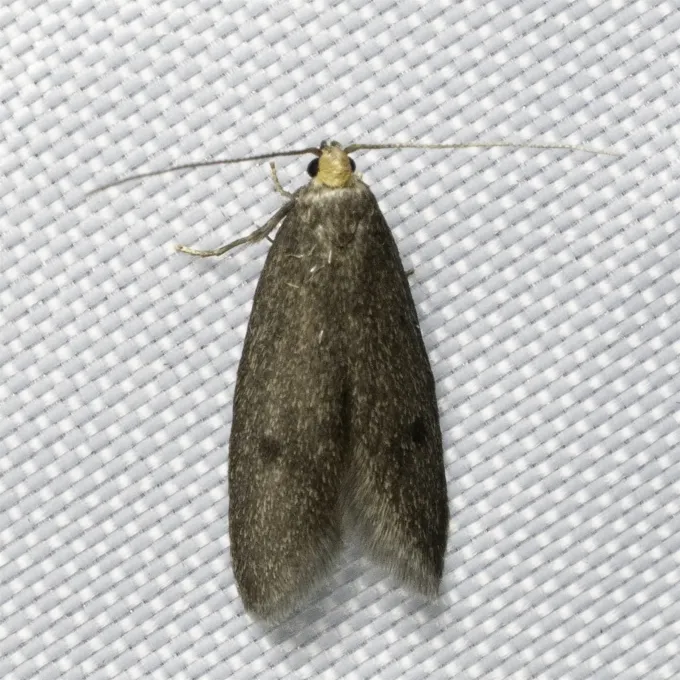
Description
How to identify
Pseudatemelia is a genus of moths belonging to the order Lepidoptera and the family Lypusidae. These insects are relatively small nocturnal moths, and the adult stage generally does not pose a threat to plant health.
The primary concern for agronomists is the larval stage. These caterpillars are often overlooked due to their camouflaging colors, typically blending in with the soil or decaying vegetation.
Distinguishing specific species of Pseudatemelia requires expert examination of the genitalia, as the external morphology of adults is quite similar across various species within the family.
What it damages
The larvae are polyphagous, meaning they feed on a wide variety of materials. While they primarily act as detritivores, consuming decaying plant matter, they are known to exhibit pest behavior when organic sources are scarce.
They can cause damage to emerging seedlings and specific ornamental plants. Under conditions of high population density, they may feed on the stems and leaves of young crops, causing significant thinning of the stand.
When it appears
The life cycle of Pseudatemelia is synchronized with climatic changes. Larvae overwinter in the soil or protected leaf litter, allowing them to survive winter frost.
The most active period for these caterpillars is early spring, when they emerge from hibernation to feed on the fresh growth of crops. This timing often coincides with the germination phase of many agricultural crops.
Signs of infestation
Damage is typically characterized by clipped stems or missing segments of young seedlings. In many cases, the affected plants appear to have been bitten or chewed right at the soil surface.
If you suspect an infestation, check the topsoil around the base of the damaged plants during early morning or evening hours, when the larvae are more likely to be near the surface.
Control measures
Preventative cultural practices are the most effective management tools. Deep autumn plowing disrupts the overwintering sites of the larvae and significantly reduces the population for the following season.
Chemical control should be considered only when economic thresholds are met. Use approved systemic insecticides if necessary, ensuring that the application covers the soil surface and the base of the stems.
Taxonomy
- Latin name
- Pseudatemelia
- Order
- Lepidoptera (butterflies)
- Family
- Amphisbatidae
- EPPO code
- PTMLSP
Discussion
No discussions yet — be the first.