
Amphisbatis
Amphisbatis
Description
How to identify
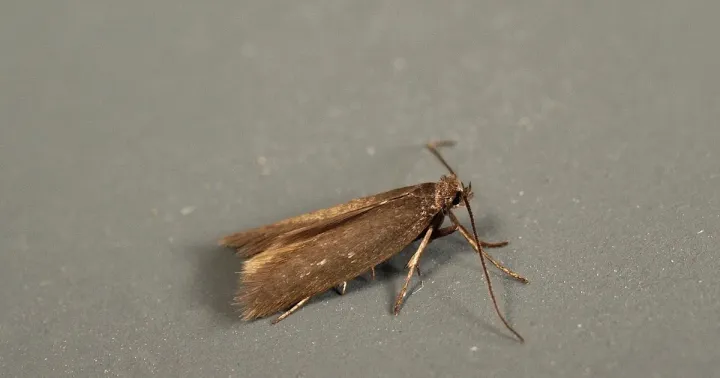
Amphisbatis is a genus of small moths belonging to the Oecophoridae family. Adult moths typically have inconspicuous coloration, allowing them to blend seamlessly with tree bark or foliage.
Systematically, this genus belongs to the Lepidoptera order. Identifying specific species within the genus is highly technical, often requiring microscopic examination of genitalia structures.
The larvae possess a characteristic appearance common to the family, often hiding within silken webs or rolled leaves. They have a well-developed chewing mouthpart.
Imagines (adults) are primarily nocturnal or crepuscular. During the day, they remain hidden in sheltered areas, such as leaf undersides or bark crevices, to avoid predators.
The insect undergoes a complete life cycle: egg, larva, pupa, and imago. Understanding this cycle is crucial for implementing effective pest management strategies in the field.
What it damages
This pest primarily infests various woody plants and shrubs. The damage is caused by larvae that feed voraciously on plant tissues.
They damage foliage by skeletonizing leaves or consuming the entire leaf blade, leaving only the veins, which impairs the plant's photosynthetic ability.
Young larvae may mine the leaves, creating distinct tunnels (mines) that make the plant susceptible to fungal pathogens and desiccation.
During massive outbreaks, Amphisbatis can lead to premature leaf drop, significantly weakening the plant's overall health before the winter season.
It is particularly dangerous for nursery stock and young plantations, as damage to terminal shoots can cause permanent crown deformation.
Signs of infestation
The first visual sign of infestation is leaves that are rolled or tied together with silken threads, housing the developing larvae inside.
Frass (larval excrement) found on the foliage or beneath the tree canopy is a clear indicator of active feeding by the caterpillars.
Small pale spots or "windows" on the leaf surface indicate early-stage epidermal damage caused by young larvae.
During peak population times, the presence of small gray moths that fly up when branches are disturbed signals an active infestation.
Withering of shoot tips or discoloration of foliage early in the season is often associated with larval feeding at the growth points.
Control measures
The primary control method involves the use of biological insecticides containing Bacillus thuringiensis, which are effective against young larvae.
When the economic threshold is exceeded, application of systemic chemical insecticides, such as pyrethroids, may be necessary to suppress the population.
Agrotechnical measures include regular sanitary pruning of infested branches and the removal of leaf litter where pupae may hibernate.
Pheromone traps are highly recommended for monitoring moth populations, allowing growers to time their insecticide applications accurately.
- Apply treatments during evening hours.
- Encourage natural predators (birds and beneficial insects).
- Maintain clean field borders.
- Ensure precise application timing.
Taxonomy
- Latin name
- Amphisbatis
- Order
- Lepidoptera (butterflies)
- Family
- Amphisbatidae
- EPPO code
- APBTSP
Discussion
No discussions yet — be the first.