
Amphisbatis incongruella
Amphisbatis incongruella
Description
How to identify
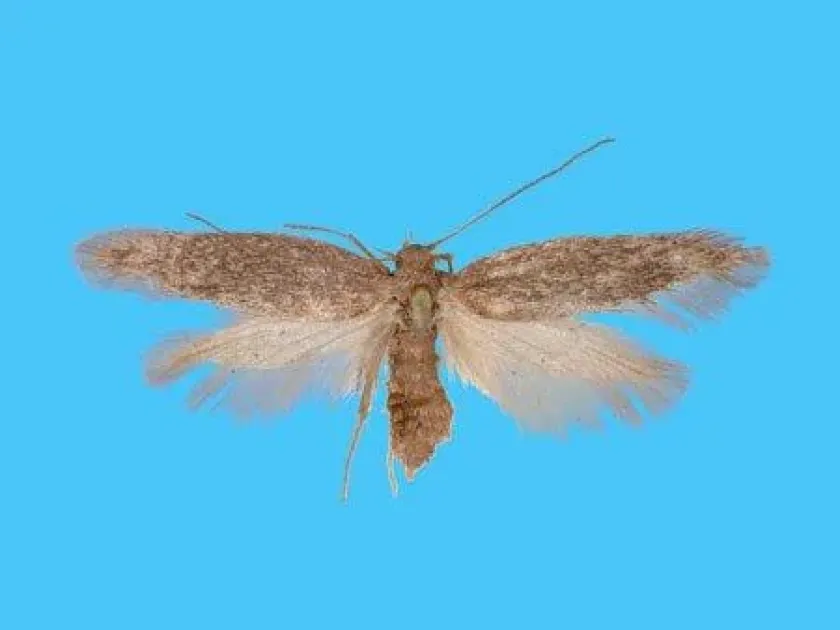
Amphisbatis incongruella is a species of moth belonging to the Oecophoridae family. It is a small insect often overlooked due to its cryptic coloration that blends perfectly with tree bark.
The larvae, or caterpillars, are the primary stage of concern for agronomists and gardeners, as they feed on specific plant parts during their development.
The moth has a complete life cycle comprising egg, larva, pupa, and adult stages, with each stage specifically adapted to the environment of its host plants.
Adult moths are typically nocturnal and have characteristic wing patterns that differentiate them from other related moth species in the landscape.
Identification of the species in the field often requires inspecting the larval feeding sites and the characteristic webbing they create on host plants.
What it damages
This pest primarily targets Ericaceae plants, including heather (Calluna vulgaris), which is highly susceptible to larval feeding activities.
In addition to heather, the species can infest various conifers, where larvae consume needles, causing aesthetic damage and weakening the plant.
Feeding larvae cause premature yellowing of needles and leaves, which can lead to significant foliage loss if the infestation is severe.
Continuous feeding throughout the growing season impacts the plant's photosynthetic capacity, resulting in stunted growth and poor health.
The damage caused by larvae often facilitates the entry of secondary pathogens, such as fungi, leading to further decay of the plant tissue.
When it appears
Amphisbatis incongruella typically undergoes its larval development during the warmer months, starting from late spring into the summer.
Adult moths emerge to mate and lay eggs at the beginning of the growing season, with the timing being highly dependent on local weather patterns.
Overwintering usually occurs in the larval or pupal stage, hidden within the litter or protected areas on the host plant's branches.
The most active period for larval damage is mid-summer, making this the critical window for monitoring and intervention.
As autumn approaches, larvae prepare for diapause, reducing their feeding activity significantly as temperatures drop.
Signs of infestation
The presence of fine silken webbing binding needles or leaves together is the most common diagnostic sign of an infestation.
Tiny fecal pellets (frass) visible on the foliage or underneath the plant are a clear indicator of larval presence.
Localized patches of yellowing or browning foliage, especially on new growth, suggest that caterpillars are consuming internal tissues.
Small holes or "mining" marks on the leaves are frequently observed, indicating where the larvae have been feeding.
Visual inspection of the plant canopy often reveals the larvae themselves, which are usually camouflaged to match the surrounding vegetation.
Control measures
Manual removal of webbed nests and affected plant parts is highly recommended for small-scale infestations in gardens or nurseries.
Biological control agents, such as formulations containing Bacillus thuringiensis, offer an effective and eco-friendly solution for managing larval populations.
Chemical insecticides, particularly those with systemic action, should be applied when larvae are in their early growth stages for best results.
- Application of targeted insecticides during peak larval activity.
- Maintaining healthy soil and moisture conditions to improve plant vigor.
- Regular monitoring using traps or visual inspection to detect early signs of infestation.
Consistent management is necessary to prevent the population from reaching levels that cause irreversible damage to ornamental crops.
Taxonomy
- Latin name
- Amphisbatis incongruella
- Order
- Lepidoptera (butterflies)
- Family
- Amphisbatidae
- EPPO code
- APBTIN
Discussion
No discussions yet — be the first.