
Tatochila autodice
Tatochila autodice
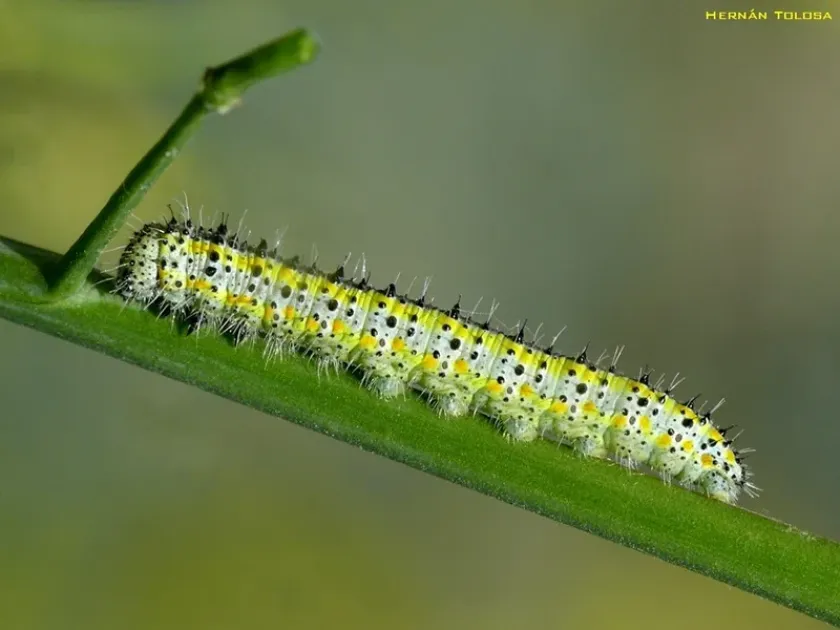
Description
How to identify
Tatochila autodice is a member of the Lepidoptera order, specifically the Pieridae family. This butterfly species is morphologically similar to other common pierids, featuring distinct wing patterns that are characteristic of this South American genus.
Adult butterflies typically have white or cream-colored wings with dark markings along the veins and edges. The body is covered in fine, light-colored hairs that provide thermal insulation during cooler activity periods.
The eggs of this pest are elongated and conical in shape. They are generally deposited in clusters on the underside of host plant leaves, shifting from pale yellow to dark grey as the embryo develops.
Larvae (caterpillars) progress through several instars. They typically display a green body with longitudinal light stripes, which provides excellent camouflage against the foliage of host plants.
Pupae are attached to plant stems or other rigid surfaces using silken threads. They possess protective coloration and a specific shape that allows them to blend into the environment until the adult butterfly emerges.
What it damages
The primary food sources for Tatochila autodice larvae are plants belonging to the Brassicaceae family. Within its native range, this pest attacks both wild species and various commercially important agricultural crops.
The most significant threat is posed to cabbage, cauliflower, broccoli, and other cruciferous vegetables. Mass outbreaks can lead to substantial losses in both quality and marketability of the produce.
Late-stage larvae exhibit high feeding rates, capable of skeletonizing leaf blades entirely. In cases of high infestation, the pest can also damage growing points, which is often fatal for younger plants.
Damage inflicted by these pests provides easy entry points for secondary fungal and bacterial pathogens. This often results in tissue rot, ultimately leading to the destruction of the plant in the field.
Economic damage includes both a direct reduction in yields and a significant decline in the shelf life and overall appearance of cabbage heads, making them unsuitable for storage or retail sale.
When it appears
The activity of adult Tatochila autodice is highly dependent on temperature and moisture conditions. In favorable climates, the pest can complete several generations throughout a single growing season.
Butterfly emergence typically coincides with the beginning of host plant flowering, creating optimal conditions for egg-laying. Peak larval activity is most commonly observed in mid-summer when conditions are warmest.
The development cycle from egg to adult takes several weeks, allowing the population to increase rapidly if left unchecked. The species overwinters in the pupal stage, usually in sheltered environments.
Monitoring for the first butterflies in the field is a critical step in effective pest management. Activity patterns may vary significantly depending on regional climatic factors and the specific weather of the current year.
The potential for multiple generations per season increases the risk for late-planted crops. Therefore, consistent scouting and monitoring of plant health throughout the entire growing season are essential agricultural practices.
Signs of infestation
The first visual sign of Tatochila autodice presence is characteristic leaf damage, manifesting as irregular holes or edge-feeding. Over time, heavy infestation leads to complete skeletonization of the leaves.
The presence of larval frass (excrement) on leaves or around the base of the plant is a reliable indicator of active feeding. These dark granular deposits are easily visible upon close inspection of the plant's lower foliage.
Locating egg clusters on the underside of leaves allows for early intervention before the caterpillars begin intensive feeding. Regular, random inspections across the field every few days are highly recommended.
Deformation or curling of younger leaves often indicates the presence of larvae in hidden areas. Caterpillars may sometimes cluster near the main leaf vein, causing structural damage that weakens the leaf.
In cases of severe infestation, plants appear stunted and their growth is noticeably retarded. If the damage is extensive enough, it leads to the wilting of individual leaves or the entire plant.
Control measures
Control strategies for Tatochila autodice must be integrated, utilizing a combination of cultural, biological, and, if necessary, chemical protection methods.
- Regular removal of cruciferous weeds that serve as alternative hosts.
- Implementation of crop rotation to break the pest's reproductive cycle.
- Encouraging natural predators, such as beneficial insects and parasitoid wasps.
- Application of bio-rational insecticides based on Bacillus thuringiensis for safe control of early-instar larvae.
- Targeted use of systemic or contact insecticides when infestation levels exceed economic thresholds.
When applying chemical protection, it is vital to adhere strictly to label instructions and observe pre-harvest intervals to ensure the safety of the produce and minimize chemical residue.
Biological control methods are preferred within integrated pest management (IPM) systems, as they help preserve beneficial pollinator populations and natural enemies that suppress pest levels.
Proper soil preparation and balanced fertilization improve crop vigor and resilience, allowing plants to recover more quickly from potential insect-related stress.
Taxonomy
- Latin name
- Tatochila autodice
- Order
- Lepidoptera (butterflies)
- Family
- Pieridae
- EPPO code
- TATOAU
Discussion
No discussions yet — be the first.