
Tanystoma
Tanystoma
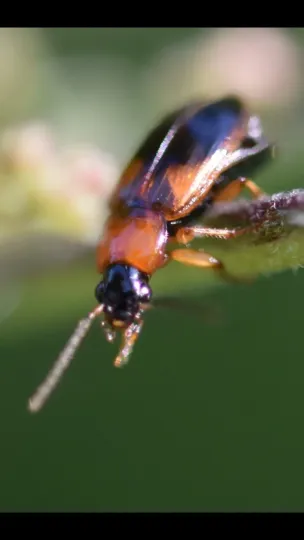
Description
How to identify
The Tanystoma genus belongs to the Curculionidae family within the Coleoptera order. These insects are characterized by a prominent snout (rostrum) adapted for feeding on plant tissues and a robust, sclerotized body structure.
Adult insects are typically small and possess cryptic coloration, which helps them blend into soil surfaces or plant debris, providing an effective camouflage against predators and human observation.
Their life cycle includes complete metamorphosis: egg, larva, pupa, and adult. The larval stage is predominantly subterranean, where they feed on the roots and lower stems of host plants in a concealed manner.
Morphological identification of the species often requires detailed examination of the genitalia or specific hair distribution patterns on the elytra under magnification, distinguishing them from other related weevil species.
Due to their high adaptability to various environments, Tanystoma populations can persist in diverse climatic zones, making them a significant concern for large-scale agricultural crop management.
What it damages
Tanystoma primarily targets cereal crops and various forage plants. They are most destructive during the early phenological stages of plant growth, specifically when the crops are most vulnerable to root damage.
Larval feeding causes severe disruption to the root system, preventing the plant from absorbing necessary water and minerals. This leads to stunted growth, yellowing, and potential crop failure in the affected areas.
Adult weevils cause damage by feeding on the aerial parts of the plant, creating characteristic notches in the leaves. While this feeding rarely kills the plant directly, it reduces the leaf area, impacting photosynthesis.
The overall economic damage is most pronounced during dry spring seasons when plants lack the vigor to recover from root injuries caused by the larval stage.
The severity of the damage is largely determined by population density and the presence of crop residues from previous seasons, which provide optimal conditions for the pest to thrive.
When it appears
Adult emergence from hibernation sites in the soil occurs in early spring, triggered by rising soil temperatures that signal the beginning of the growing season.
The peak activity period for adult weevils coincides with the tillering and jointing phases of cereal crops, during which the insects are actively feeding and engaging in mating behavior.
Oviposition takes place in the soil or at the base of the plant stem, ensuring that the emerging larvae have immediate access to food sources upon hatching.
Throughout the summer, the population remains active, though feeding intensity may fluctuate based on climatic conditions and host availability until the onset of autumn.
As temperatures drop in late autumn, the insects retreat into deeper soil layers for overwintering, rendering them largely unaffected by surface-level management tactics until the next spring cycle.
Signs of infestation
The initial signs of an infestation often manifest as localized patches of yellowing or wilting plants, which may initially be misidentified as drought stress or nutrient deficiencies.
Excavation of the root system often reveals visible galleries or chewed lateral roots, providing clear evidence of larval presence and activity within the soil profile.
Leaves often show irregular, scalloped-edged notches, which are distinctive marks left by adults feeding on the green tissues of the host plant.
- Reduced plant vigor and stunted development in specific field sectors.
- Poor root anchorage, causing plants to pull easily from the soil.
- General decrease in crop density due to seedling mortality.
Visible presence of adult beetles on the soil surface, particularly during early morning hours, serves as a critical indicator for conducting comprehensive field surveys.
Control measures
Effective management begins with strict crop rotation, which deprives the pest of its preferred food sources and disrupts the survival cycle of the larvae in the soil.
Deep autumn plowing is a recommended cultural control practice that physically disturbs the overwintering sites of the larvae and pupae, significantly reducing their survival rate.
Chemical control involving the targeted application of insecticides is most effective during the early spring emergence of adults, aiming to reduce population levels before egg-laying occurs.
Sanitation practices, such as the systematic elimination of weeds around field margins, are essential, as these areas often function as secondary reservoirs for the pest population.
Regular monitoring using soil sampling and pitfall traps allows for informed decision-making, ensuring that chemical interventions are applied only when thresholds are exceeded.
Taxonomy
- Latin name
- Tanystoma
- Order
- Coleoptera (beetles)
- Family
- Carabidae
- EPPO code
- TNYSSP
Discussion
No discussions yet — be the first.