
American red squirrel
Tamiasciurus
Description
How to identify
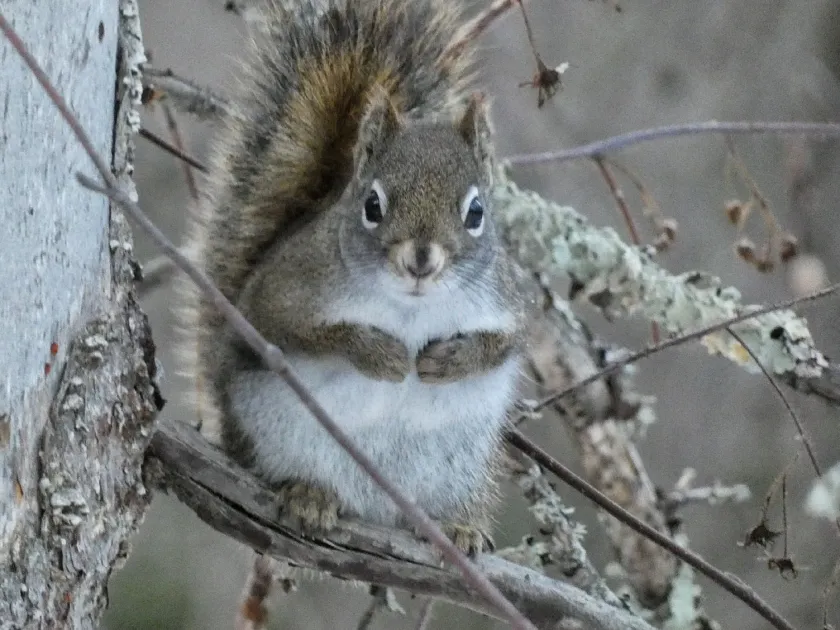
The American red squirrel (Tamiasciurus) belongs to the order Rodentia and the family Sciuridae. It is a small, energetic mammal known for its reddish coat and white belly.
Unlike other squirrel species, these rodents are highly territorial and defensive, which often leads to them occupying gardens near human settlements.
They have strong jaw muscles that allow them to process tough plant matter, including pine cones, tree bark, and hard fruit shells.
These animals are primarily diurnal, meaning they are most active during the day, which makes them highly visible in agricultural environments.
Their biological behavior is centered on caching food, which results in significant collection and subsequent damage to plant resources.
What it damages
The primary agricultural damage is inflicted upon coniferous trees, as these squirrels feed on developing seeds, buds, and even the inner bark.
In orchards, they cause extensive harm by gnawing on the bark of fruit trees, which can lead to limb death or total tree collapse.
They are known to feed on fruits and berries during the ripening phase, significantly reducing the marketable yield for commercial growers.
Squirrels often damage irrigation infrastructure by gnawing on plastic hoses and tubing, leading to water loss and systemic failure in gardens.
Additionally, they impact biodiversity by raiding bird nests, effectively reducing the presence of natural pest controllers in the ecosystem.
When it appears
Autumn is the peak season for squirrel activity due to intense food hoarding, during which they can destroy large quantities of potential crops.
During the spring, the consumption of emerging buds can severely impact the tree's health and potential harvest for the remainder of the year.
Winter months, when food is scarce, drive these rodents to gnaw heavily on the woody parts of trees, leading to long-term structural damage.
The breeding season, occurring twice a year, increases the population pressure and the need for high-energy food sources for the young.
Summer infestations are frequent as young squirrels disperse and colonize new territories, often targeting well-watered gardens.
Signs of infestation
A primary sign of infestation is the accumulation of cone scales and stripped debris under trees, indicating the squirrel has been feeding there.
Girdling marks on the trunk of a tree—where bark has been removed in a ring—is a clear indicator of structural damage by the squirrel.
Damaged fruit or partially consumed nuts found on the ground are common indicators that the squirrels are harvesting your crop.
Drey nests, which are large bundles of sticks and leaves found high in the canopy, mark the presence of a resident population.
- Gnawed holes in plastic irrigation pipes.
- Missing fruit or heavily damaged budding tips.
- High-pitched vocalizations and chirping sounds from trees.
Control measures
Installing metal collars around the trunks of valuable trees prevents the squirrels from climbing and protects the bark and canopy.
Applying commercial-grade repellents or scent-based deterrents can discourage squirrels from feeding in specific garden zones.
Sanitation is key; removing fallen fruit and waste helps eliminate the food sources that attract squirrels to the property in the first place.
Humane live-trapping and relocation of the animals is a viable option for managing persistent populations without resorting to culling.
Pruning branches that provide access to buildings or canopy pathways effectively limits the movement of squirrels across the garden area.
Taxonomy
- Latin name
- Tamiasciurus
- Order
- Rodents
- Family
- Sciuridae
- EPPO code
- TMSCSP
Discussion
No discussions yet — be the first.