
Chipmunk
Tamias
Description
How to identify
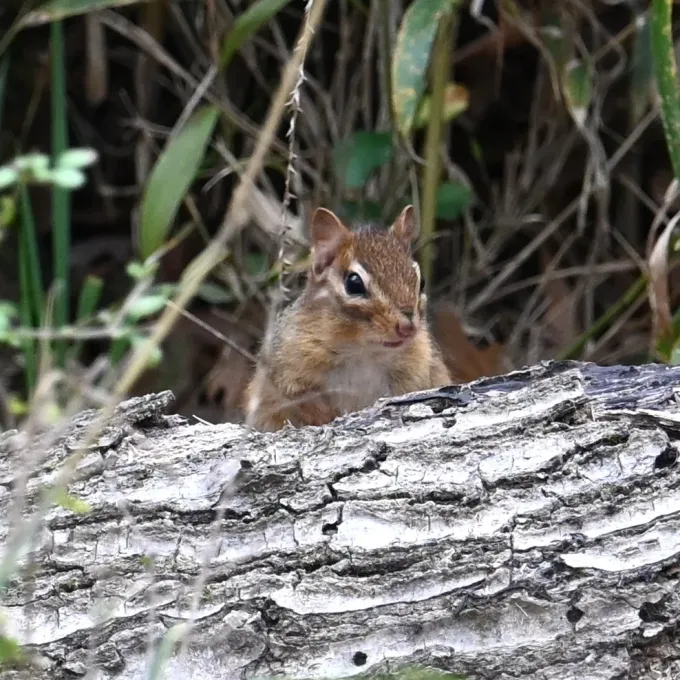
The chipmunk, belonging to the genus Tamias, is a small rodent within the squirrel family. They are easily identified by the five distinctive dark stripes running along their backs, separated by lighter fur.
Typically measuring between 12 and 17 centimeters in length, plus a long, furry tail, these rodents are characterized by their prominent cheek pouches. These pouches allow them to carry large quantities of seeds and nuts back to their burrows.
Chipmunks are semi-arboreal, meaning they are skilled climbers but primarily reside in complex underground burrows. These burrows feature multiple chambers used for sleeping, nesting, and storing food reserves.
They are strictly diurnal, making them easily observable during the daylight hours when they are most active in foraging. Their behavior is highly alert and cautious, though they can be very persistent when resources are available.
Their adaptability allows them to thrive in various environments, including agricultural zones adjacent to forests, where they find both shelter and abundant food supplies, often leading to rapid population growth.
What it damages
The primary agricultural damage caused by chipmunks involves the consumption of sown seeds, particularly cereals like wheat, rye, and barley. They often dig up rows shortly after planting, causing significant gaps in crop emergence.
During the harvest season, chipmunks are known to raid fields and vegetable gardens. They frequently damage corn crops by eating grains directly from the ears and consume various vegetables, including zucchini and tomatoes.
In orchards, chipmunks feed on buds, young shoots, and fallen fruits. Their habit of gnawing on the roots of young saplings in nursery settings can lead to the total loss of valuable young trees.
A significant portion of the damage is attributed to their hoarding behavior. A single chipmunk can store several kilograms of grain or seeds in its burrow, representing a substantial loss of the harvest potential.
Beyond plant damage, chipmunks often bite through irrigation tubing and wire insulation in agricultural buildings, leading to equipment failure and additional maintenance costs for farmers.
When it appears
Chipmunk activity begins in early spring as they emerge from hibernation. At this time, they are highly motivated to forage, making them a major threat to freshly sown fields and garden beds.
The summer season is marked by intense food collection. As crops ripen, chipmunks increase their foraging frequency, aggressively harvesting seeds, grains, and fruits to replenish their winter food stores.
Autumn is the peak period for their hoarding activities. During this season, they focus on gathering as much forage as possible before the onset of cold weather, which results in damage to late-season crops.
Throughout the winter, chipmunks remain in a state of torpor or hibernation. However, in regions with mild winters, they may occasionally emerge on warmer days, continuing their activity if their stores are depleted.
Population cycles are heavily dependent on climatic conditions. Mild winters significantly increase the survival rate of the population, leading to higher activity and potential damage in the following spring.
Signs of infestation
The most common sign of a chipmunk presence is the appearance of small burrow entrances, roughly 5–8 centimeters in diameter, often hidden near stones, logs, or dense vegetation.
On farms, farmers may notice "missing" segments in crop rows where seeds have been removed from the soil immediately after planting, as well as remnants of corn cobs left near the base of stalks.
In gardens, damage to fruits and vegetables, often accompanied by distinct tooth marks, serves as a clear indicator. Additionally, discarded seed shells and husks found in piles are classic signs of a chipmunk "feeding station."
Direct sightings of chipmunks scurrying along fences or trees with visibly full cheek pouches are definitive proof that they have established their territory nearby.
Technological damage, such as chewed irrigation lines or damaged utility wiring around agricultural structures, provides further evidence of these rodents' ongoing presence and their impact on farm infrastructure.
Control measures
Using live-catch traps is a highly effective and humane method for managing chipmunk populations. Trapped individuals should be relocated far from agricultural fields to prevent their return.
Physical barriers, such as underground hardware cloth or protective netting, can be employed to shield young plants and garden beds from burrowing and foraging activities during the early growth stages.
Cultural practices, such as maintaining weed-free fields and removing brush piles, reduce the availability of natural shelter for chipmunks, making the area less attractive for their habitat establishment.
Ultrasonic pest repellers can be installed to create an uncomfortable environment for chipmunks, effectively discouraging them from foraging in specific garden or orchard sectors without using chemicals.
Chemical control via rodenticides should be considered a last resort. If used, it must be performed strictly within tamper-proof bait stations to ensure the safety of livestock, pets, and non-target wildlife.
Taxonomy
- Latin name
- Tamias
- Order
- Rodents
- Family
- Sciuridae
- EPPO code
- TAMISP
Discussion
No discussions yet — be the first.