
Symmoca signatella
Symmoca signatella
Description
How to identify
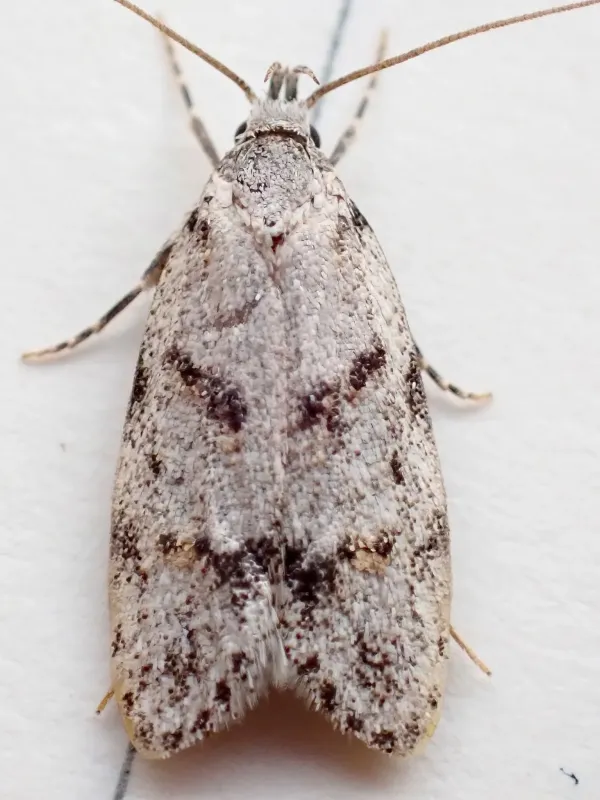
Symmoca signatella is a small moth species belonging to the family Autostichidae, order Lepidoptera. The adults are characterized by a cryptic coloration, which helps them blend into the bark of trees and plant debris, making them difficult to spot in the wild.
The biology of this species is relatively understudied compared to major agricultural pests, as it rarely causes widespread economic damage in high-intensity farming systems.
The adults are primarily nocturnal, showing peak activity during dusk and nighttime hours, which is typical for many micro-moths of this family.
The life cycle consists of complete metamorphosis: egg, larva (caterpillar), pupa, and adult. The larval stage is the primary feeder, equipped with chewing mouthparts.
Accurate species identification often requires professional entomological examination of genitalia, as external morphological features can be very similar to other related species.
What it damages
In forest and garden ecosystems, the larvae primarily feed on lichens and mosses growing on the bark of trees.
While usually considered harmless, they may cause secondary damage by feeding on the outer layers of the bark if the population density becomes unusually high.
Damage to the bark structure can create entry points for fungal pathogens or moisture, which indirectly harms the tree's health.
In stored product environments, the species can occasionally be found if conditions are damp and allow for the growth of molds or the accumulation of organic debris.
The economic threat level is generally considered low, but awareness is necessary for managing high-value orchards or nurseries where bark integrity is critical.
When it appears
The flight period for the adults generally occurs during the warmer months, typically from late spring through early autumn.
Larval activity is most noticeable during periods of high humidity, which support the growth of their primary food sources, such as lichens.
Overwintering takes place at the larval stage, usually protected within deep cracks in tree bark or under thick layers of leaf litter near the base of the tree.
Larvae emerge from their overwintering state as temperatures rise in the spring, resuming their feeding cycle immediately.
Depending on the climatic zone, the moth can have one or more generations per season, influenced by ambient temperature and available food resources.
Signs of infestation
The presence of fine, granular frass (excrement) tucked into bark crevices is a reliable indicator of active larval feeding in that area.
Visible patches of bare bark, where lichens or mosses have been cleared away, serve as clear signs of the moth's presence.
Silken webbing spun by the caterpillars in the crotches of branches or deep within bark fissures can often be observed during detailed inspections.
Adult moths are often attracted to artificial light sources near gardens during their peak flight season, which can be used for monitoring purposes.
In storage facilities, the presence of damaged packaging material mixed with fine silken threads or larval remains suggests an infestation of this species.
Control measures
Good agricultural practices are the primary line of defense, including the removal of dead, flaky bark and moss from tree trunks.
Regular sanitation, such as pruning damaged branches and removing plant debris, effectively limits the available habitat for larvae.
Targeted application of contact insecticides in early spring can effectively suppress population levels before the reproductive season begins.
Light traps are an efficient tool for monitoring adult moth populations, allowing growers to time their control efforts precisely.
Maintaining dry conditions in storage rooms is crucial for preventing the growth of this moth, as high humidity and organic waste are key factors for their success.
Taxonomy
- Latin name
- Symmoca signatella
- Order
- Lepidoptera (butterflies)
- Family
- Autostichidae
- EPPO code
- ZYMMSI
Discussion
No discussions yet — be the first.