
Autosticha kyotensis
Autosticha kyotensis
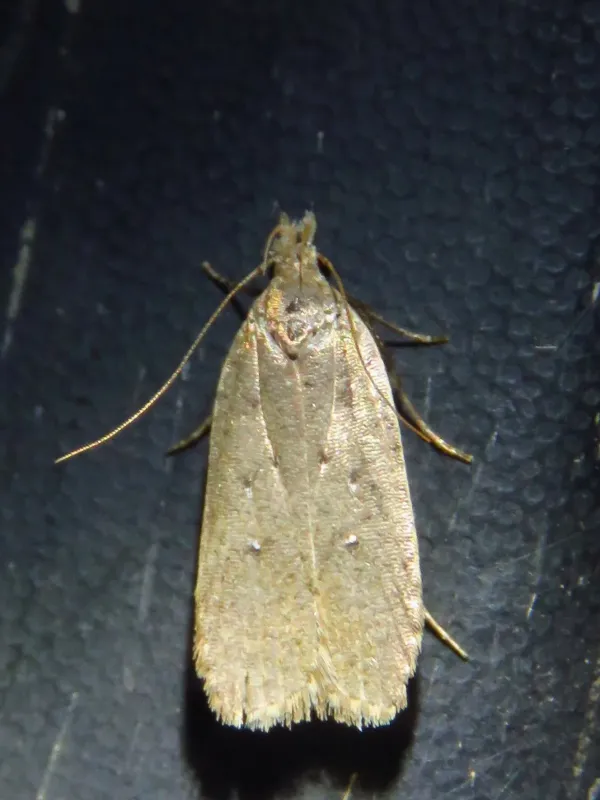
Description
How to identify
Autosticha kyotensis is a small moth species belonging to the family Autostichidae (order Lepidoptera). This moth is known for its larval stage, which acts as a pest on various horticultural crops.
The adult moth is typically small, often displaying a cryptic coloration that provides camouflage against the bark and foliage of its host plants during the day.
The life cycle includes the egg, larva (caterpillar), pupa, and adult stages. The larvae are primarily responsible for the agricultural damage caused by this species.
The species exhibits a high degree of adaptability, allowing it to colonize diverse environments, ranging from ornamental gardens to commercial orchards.
Identification often requires careful examination of the larvae or adult wing patterns, as they can sometimes be confused with other micro-moths.
What it damages
The larvae of Autosticha kyotensis cause damage by feeding on the leaves, where they frequently construct mines or web-like shelters between leaves.
Severe infestations can lead to significant defoliation, which reduces the plant's ability to photosynthesize and subsequently impairs its overall health and growth.
In addition to leaf tissue, the caterpillars may attack young buds and shoots, hindering the development of new growth and potentially reducing fruit yields.
The wounds created by the larvae provide entry points for secondary infections, including various fungal and bacterial pathogens that further degrade the plant.
The overall impact on host plants includes reduced vigor, unsightly appearance, and potential yield loss depending on the severity and timing of the attack.
When it appears
The pest's activity typically begins in late spring, coinciding with the flushing of new leaves, which provides an ideal food source for the first generation of larvae.
Throughout the summer, multiple generations may occur, as warm temperatures significantly accelerate the development from egg to adult.
The peak period of larval feeding is usually during the active growing phase of the plants, requiring vigilant monitoring during this timeframe.
As autumn approaches, the insect population prepares for overwintering, often entering a dormant state in protected areas on the plant or in the soil surface debris.
Effective management requires monitoring throughout the growing season to detect early signs of infestation and prevent population build-ups.
Signs of infestation
Visual signs of infestation are critical for early detection and include specific modifications to the foliage structure.
- Presence of leaf mines or irregularly shaped patches on leaf surfaces.
- Leaf folding or rolling secured by fine silken webbing.
- Small, dark frass pellets near the feeding sites.
- Chlorotic or necrotic spots appearing on the foliage.
- Stunted or deformed tips of young branches.
The presence of fine webbing is a reliable indicator of caterpillar activity, even if the larvae themselves are hidden inside the leaves or folds.
Careful inspection of the undersides of leaves and branch crotches can reveal the cocoons or larvae, especially during the peak summer months.
Heavily affected plants often exhibit a general lack of vitality and may drop leaves prematurely if the infestation persists over a long period.
Control measures
Integrated Pest Management (IPM) is the most effective approach for controlling Autosticha kyotensis in various environments.
Sanitation practices, such as the removal and destruction of infested foliage and overwintering sites, are essential for reducing the next generation's population.
Biological control agents, including Bacillus thuringiensis, provide an environmentally friendly alternative for managing larval stages without harming beneficial insects.
Chemical intervention with systemic insecticides may be necessary during peak larval activity if the damage thresholds are exceeded.
Maintaining optimal plant health through proper fertilization and irrigation improves the host's resilience and recovery capabilities following an infestation.
Taxonomy
- Latin name
- Autosticha kyotensis
- Order
- Lepidoptera (butterflies)
- Family
- Autostichidae
- EPPO code
- AUTIKY
Discussion
No discussions yet — be the first.