
Subulina octona
Subulina octona
Description
How to identify
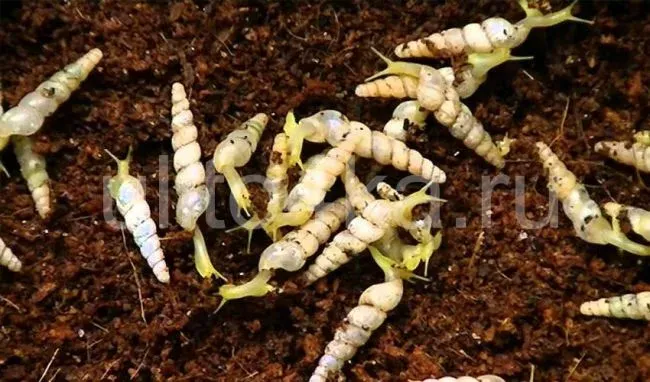
Subulina octona, commonly known as the miniature awl snail, is a small land mollusc belonging to the family Subulinidae. Its shell is elongated, turret-shaped, with 8–10 whorls, typically reaching 15–20 mm in length with a pale yellowish-brown hue.
This pest prefers moist and warm environments, making it a common problem in greenhouses, nurseries, and indoor plant collections. It leads a cryptic lifestyle, often burrowing into the top layer of soil or hiding under mulch.
The snail is a hermaphrodite capable of self-fertilization, which allows a single individual to establish a large colony in a short period of time, leading to rapid infestations.
Its body is generally greyish or yellowish, which provides excellent camouflage against potting mix or damp soil surfaces, making early detection quite challenging for growers.
It remains active primarily during periods of high humidity and moderate temperatures, retreating deeper into the substrate when conditions become dry or cold.
What it damages
Subulina octona is a generalist feeder that impacts various ornamental and vegetable crops. In greenhouse conditions, it focuses on consuming young seedlings, tender foliage, and the delicate root systems of young plants.
The primary damage occurs at the root level or the root crown, often causing the plant to wilt and collapse suddenly. This root destruction is frequently the first noticeable sign of the pest's presence.
In potted plants, the snails can inhabit the soil for long periods without being noticed, causing severe stress to the plant and leading to stunted growth or complete loss of the specimen.
When present in large numbers, these snails can also damage the surface of fruits and vegetables that come into contact with the soil, leaving them prone to decay.
The feeding wounds left by the snails on roots and stems create entry points for secondary bacterial and fungal pathogens, which often cause more damage to the plant than the snails themselves.
Signs of infestation
One of the earliest indicators of an infestation is the presence of eaten leaf margins on foliage touching the ground, or seedlings suddenly falling over due to severed roots.
Dried slime trails on the sides of pots, trays, or the soil surface indicate the nightly movement of these snails across the growing area.
Visible inspection of drainage holes in pots and the underside of plant containers often reveals clusters of adult snails, especially after watering.
Plants showing unexplained wilting or failure to thrive despite adequate water and fertilizer application should be inspected for the presence of these molluscs in the soil.
Finding empty shells in the substrate or around the base of the plant is a definitive sign of an established population within the growing medium.
Control measures
Manual control involves regular nighttime scouting and collecting snails by hand. Placing moist boards, cardboard, or lettuce leaves on the soil surface in the evening creates attractive traps for morning removal.
Cultural control measures focus on maintaining good sanitation, removing garden debris, and managing irrigation to prevent the soil from remaining constantly waterlogged.
Chemical control is effectively achieved through the application of molluscicides, such as those containing metaldehyde or iron phosphate, formulated as pellets.
Biological controls, including the use of parasitic nematodes that target snails, can provide an eco-friendly alternative for greenhouse environments.
- Improve soil drainage to make the environment less favorable for snails.
- Use physical barriers like copper tape or sharp grit around sensitive plants.
- Always sterilize or inspect new potting media before introducing it to greenhouse collections.
Taxonomy
- Latin name
- Subulina octona
- Order
- Molluscs
- Family
- Subulinidae
- EPPO code
- SUBUOC
Discussion
No discussions yet — be the first.