
Subulina
Subulina
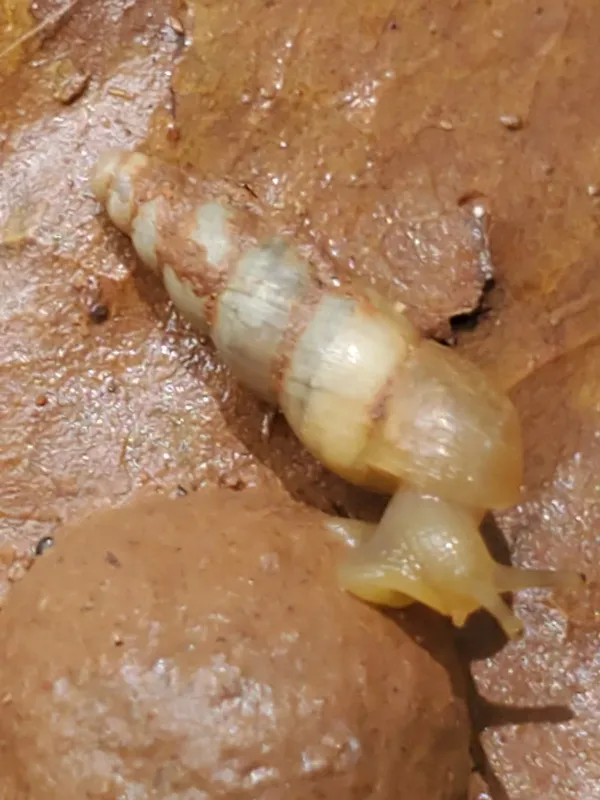
Description
How to identify
Subulina (scientific name Subulina octona) is a small terrestrial gastropod mollusk belonging to the Subulinidae family. It is easily recognized by its elongated, conical shell, which typically reaches a length of 15–20 mm.
The shell is yellowish-brown or translucent and is composed of approximately 8 to 10 whorls. The body of the snail is generally light gray or beige, well-adapted for movement within soil and substrate.
This species is a hermaphrodite, which allows for rapid reproduction and colonization of new environments in protected conditions. They are highly efficient at establishing large populations in greenhouses.
They prefer damp, shady environments with high organic content. Subulina are often found hiding in the top layer of soil, under mulch, or inside pots containing potted plants.
Because of their secretive lifestyle, they often remain unnoticed until their population reaches a high density, making them a persistent pest in indoor horticulture.
What it damages
Subulina is a polyphagous pest that causes significant damage to a wide range of crops. It is particularly harmful to decorative greenhouse plants, seedlings, and sensitive indoor potted plants.
The snails feed on tender tissues, including leaves, young stems, and roots. This feeding activity leads to stunted growth and can cause young, fragile plants to wither and die.
Besides direct mechanical damage, they act as vectors for fungal and bacterial diseases. The injuries they inflict on plant tissues serve as entry points for pathogens, exacerbating the overall damage.
In professional floriculture, these pests lower the commercial value of plants. Leaves disfigured by holes and necrotic spots are considered unmarketable, leading to significant economic losses.
Root system damage is also common, which weakens the plant's structural integrity and its ability to absorb water and nutrients efficiently from the soil.
When it appears
While native to tropical climates, Subulina thrives year-round in temperate zones when kept in protected environments. Greenhouses and conservatories provide the stable conditions necessary for their life cycle.
Reproduction occurs continuously throughout the year as long as environmental conditions remain favorable. This lack of a dormant period makes controlling them more difficult compared to outdoor seasonal pests.
Population surges are typically linked to periods of high humidity and excessive watering, which are common in intensive greenhouse management. Increased moisture facilitates their mobility and feeding.
Spring and summer are periods of peak activity, where the presence of young growth attracts the snails, leading to faster colonization and increased damage to newly propagated plants.
Even during cooler months, if heating is maintained, Subulina continues its lifecycle. Constant vigilance is required in temperature-controlled facilities to prevent outbreaks.
Signs of infestation
The primary sign of infestation is the appearance of small, irregular holes in the leaves of plants, usually starting near the soil level. The edges of the leaves may appear frayed or chewed.
The presence of silver-colored slime trails on leaf surfaces, stems, or the sides of plant pots is a clear indicator of gastropod activity, even if the pests themselves are hidden.
During a physical inspection of the potting soil, one may find the snails or their empty shells. They are often concentrated in moist areas where potting mix remains damp for longer periods.
Sudden wilting of plants, which cannot be attributed to drought or root rot, often suggests that the roots have been compromised by Subulina. Inspecting the root ball often reveals the snails.
A foul, earthy odor in the soil, combined with visible organic decay, can indicate an overabundance of these mollusks, as their activity accelerates the breakdown of organic matter.
Control measures
The most important control measure is maintaining an appropriate irrigation regime. Preventing waterlogging in pots and improving air circulation in greenhouses discourages Subulina activity.
Sanitation is critical; all fallen leaves, dead plant material, and debris must be removed regularly. Maintaining a clean growing environment deprives the snails of their primary food source.
Manual trapping using moist vegetable scraps or wet pieces of cardboard is an effective and safe method to reduce population numbers in small spaces without chemicals.
Chemical control involving molluscicides, such as those based on iron phosphate or metaldehyde, can be used in severe cases. These should be applied according to label instructions to protect plants.
Biological control, such as the use of entomopathogenic nematodes, offers a sustainable and effective solution for managing Subulina populations within closed environments like greenhouses.
Taxonomy
- Latin name
- Subulina
- Order
- Molluscs
- Family
- Subulinidae
- EPPO code
- SUBUSP
Discussion
No discussions yet — be the first.