
Allopeas
Allopeas
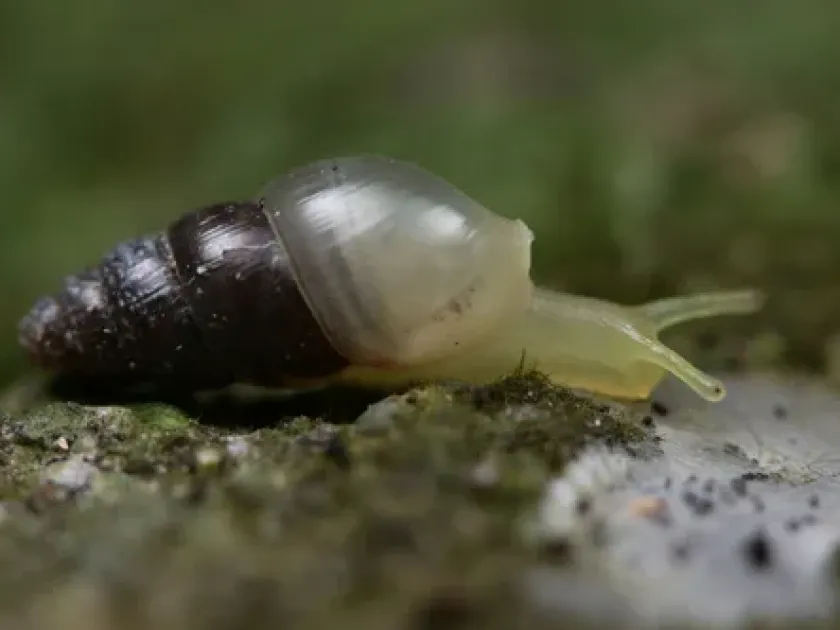
Description
How to identify
Allopeas is a genus of small terrestrial gastropod mollusks belonging to the family Achatinidae, often found in indoor environments and greenhouses.
These mollusks are characterized by their tiny, elongated, conical shells, typically reaching lengths of only 5 to 10 millimeters, which are light brown or yellowish.
The soft body of the mollusk is pale and translucent, allowing it to blend in perfectly with various types of potting soil or leaf litter.
They are classified within the order of pulmonate snails, preferring moist habitats where they can remain hidden from direct light during the day.
Their small size often allows them to go unnoticed for extended periods until a significant population is established in the plant collection.
What it damages
Allopeas causes significant damage by feeding on the root systems of young plants, seedlings, and the delicate tissues of leaves near the soil surface.
Seedlings are particularly vulnerable, as the mollusk can consume entire root systems or sever stems, leading to the rapid decline of the plant.
Beyond direct feeding, these mollusks create wounds in plant tissues that become entry points for various bacterial and fungal pathogens.
Infested plants often show stunted growth, yellowing foliage, and a general loss of vigor that is frequently misidentified as a nutritional deficiency.
In greenhouses, they can rapidly spread between containers, potentially causing widespread damage to decorative plant stocks if not managed early.
When it appears
In artificial environments like greenhouses or homes, Allopeas is active throughout the year, provided that moisture and warmth are available.
The population tends to surge during periods of high humidity, particularly when heavy or frequent irrigation creates ideal conditions for their reproduction.
Winter months, when indoor heating is on and ventilation is restricted, can create microclimates in plant pots that favor the development of these pests.
Spring is a critical window for infestation, as the influx of new seedlings and fresh potting soil provides abundant food resources for the mollusk.
Their lifecycle allows for rapid multiplication, ensuring that the pest persists even after attempts to reduce their numbers through simple removal.
Signs of infestation
Visible signs of infestation include jagged edges on leaves, especially those in contact with or near the soil, as well as hollowed-out seedling stems.
The presence of silver, glistening slime trails on the surface of the pots, benches, or soil is a hallmark indicator of recent gastropod activity.
Tiny empty shells found on the surface of the growing medium or in the drainage holes are a definitive confirmation of an established Allopeas colony.
Plants failing to thrive despite adequate care and fertilization should be inspected at the root zone for signs of damage or the presence of the snails.
Active specimens are most easily spotted during the evening or shortly after watering, as they migrate toward moisture to feed.
Control measures
The primary control strategy involves reducing soil moisture, as Allopeas requires consistently damp conditions to survive and reproduce effectively.
Cultural practices such as removing leaf litter, cleaning pots, and ensuring proper drainage are essential for creating an environment unsuitable for them.
Physical barriers like diatomaceous earth or coarse sand applied to the soil surface can deter the mollusks from moving to vulnerable parts of the plant.
Chemical control with molluscicides containing metaldehyde can be used, but must be applied with extreme caution in indoor or greenhouse settings.
- Maintain a regular schedule to allow the top layer of soil to dry out.
- Implement strict quarantine for all new plant acquisitions.
- Use traps with vegetable scraps to catch and remove snails manually.
- Ensure that potting benches are clean and free of organic debris.
Taxonomy
- Latin name
- Allopeas
- Order
- Molluscs
- Family
- Subulinidae
- EPPO code
- ALLESP
Discussion
No discussions yet — be the first.