
Allopeas clavulinum
Allopeas clavulinum
Description
How to identify
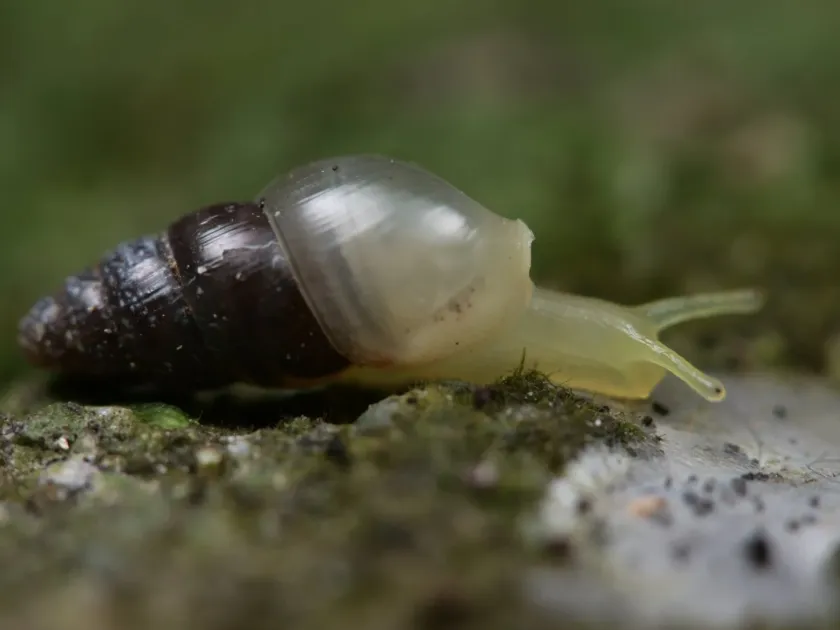
Allopeas clavulinum is a small land snail belonging to the family Subulinidae. It is characterized by its slender, elongated, and translucent shell, which typically features 6 to 8 whorls and a yellowish-white or horn-like coloration.
Adult individuals usually reach a length of 10–15 mm. Due to their minute size and tendency to burrow into the soil, they often go unnoticed until their population reaches damaging levels.
This species is hermaphroditic, allowing for rapid colonization of new environments. It thrives in warm, humid conditions, making greenhouses and indoor plant collections ideal habitats.
They are frequently introduced into new areas via imported soil, pots, or nursery plants, quickly adapting to localized greenhouse conditions.
These snails are nocturnal, spending most of their time in the top layer of soil or hiding under pots, which complicates early detection during daylight inspections.
What it damages
The primary damage is caused by feeding on roots, young seedlings, and succulent plant tissues. This can stunt plant growth and lead to the collapse of young sprouts.
They are particularly destructive to seedling nurseries, where they consume cotyledons and terminal buds, often killing young plants overnight.
By feeding on root hairs, these snails weaken the plant's root system, making it susceptible to secondary infections from soil-borne pathogens and root rots.
On ornamental plants, they leave unsightly irregular holes and slimy trails on the leaves, significantly reducing the commercial value of the crop.
High population densities can lead to soil compaction due to mucus accumulation, hindering oxygen exchange and negatively impacting plant health.
When it appears
In greenhouses, indoor settings, and humid conservatories, this pest remains active year-round, as these environments provide stable temperatures conducive to continuous breeding.
A peak in population growth is observed during spring and summer months when ambient temperatures rise, boosting the reproductive rate of the mollusks.
Even during winter, they remain active if the plants are being watered regularly and the indoor temperature is maintained above the freezing point.
Spread within an operation occurs continuously as plants, pots, and tools are moved, necessitating consistent monitoring throughout the year.
The highest level of activity occurs during night hours, making evening inspections the most reliable method to assess the current population status.
Signs of infestation
Obvious signs of infestation include irregular holes in foliage near the soil surface and the presence of dried, silvery mucus trails on stems and pot edges.
Discovery of tiny, yellowish-white egg clutches in the upper layers of the potting soil is a clear indication that a breeding colony is present.
Plant distress, such as wilting despite proper irrigation, often points to significant root damage caused by snail feeding on delicate root tips.
The presence of empty shells on the surface of the soil or near the drainage holes of pots is a classic diagnostic symptom of an established infestation.
In cases of high infestation, live snails can be observed moving across the damp soil surface immediately after watering or during nocturnal hours.
Control measures
Manual removal of snails, combined with the use of nocturnal traps such as cucumber slices or damp cardboard placed on the soil surface, helps reduce population numbers.
Regular replacement of potting media with sterile, heat-treated substrate ensures the elimination of hidden eggs and juvenile snails during repotting.
Installation of physical barriers, such as diatomaceous earth, coarse sand, or crushed eggshells around the base of the plant, can deter movement.
- Biological control using parasitic nematodes (Phasmarhabditis hermaphrodita) to target snail populations in the soil.
- Application of specialized molluscicides containing iron phosphate, which is generally safer for pets and beneficial organisms.
Strict quarantine protocols for all new plant acquisitions are essential, keeping them isolated for at least 3–4 weeks before introducing them to the general collection.
Taxonomy
- Latin name
- Allopeas clavulinum
- Order
- Molluscs
- Family
- Subulinidae
- EPPO code
- ALLECL
Discussion
No discussions yet — be the first.