
Stomorhina
Stomorhina
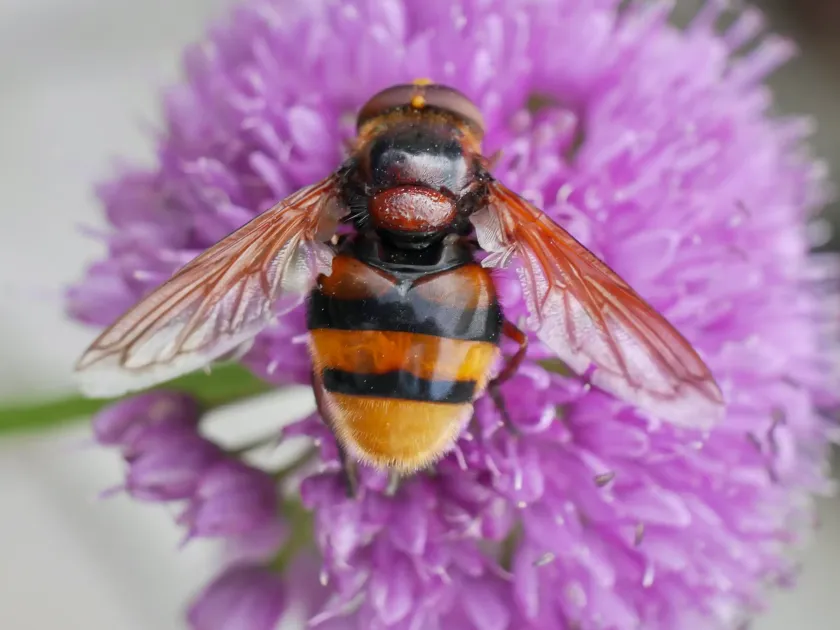
Description
How to identify
Stomorhina is a genus of flies belonging to the family Calliphoridae. These insects typically exhibit a morphology similar to blowflies but possess specific characteristics in head structure and wing venation.
Adult specimens often display a metallic sheen on their bodies and unique abdominal patterns. They generally measure between 5 to 10 millimeters in length, making them easily identifiable when swarming on plants.
Systematically, this genus belongs to the order Diptera. It is crucial to distinguish them from other synanthropic flies, as their ecological role can vary significantly depending on the species and environmental context.
The larvae of Stomorhina often lead a saprophagous or parasitoid lifestyle. Some species develop within the nests of Hymenoptera, feeding on stored food resources or the larvae of the hosts themselves.
In agricultural settings, Stomorhina can act as both potential pests and pollinators, necessitating a thorough population assessment before implementing any pest management interventions.
What it damages
The primary damage caused by Stomorhina occurs during the flowering periods of various crops. The flies visit fields in large numbers and can physically damage the generative organs of the plants.
The harm manifests as mechanical damage to anthers and stigmas, which impairs pollination and leads to a significant reduction in fruit set and seed production.
Crops most susceptible to these pests include cereals, oilseeds, and certain vegetable species grown in open fields.
Damage to plant tissues by the flies provides entry points for secondary infections, such as fungal diseases and bacterial rots, which thrive in the wounded areas.
Furthermore, larvae of certain species may infest underground parts of plants or seeds present in the soil, particularly if environmental conditions favor their rapid multiplication.
When it appears
The peak activity of Stomorhina typically occurs during the summer months when temperature conditions are optimal for their life cycle and metamorphosis.
Mass emergence of adults usually coincides with the peak flowering phase of most field crops. During this time, flies exhibit high mobility across agricultural lands.
The life cycle of these insects is highly dependent on regional climatic factors, including soil moisture levels and temperature regimes.
Multiple generations can develop within a single season, which complicates control measures if warm weather persists for extended periods.
Autumn cooling causes a decline in pest activity, leading the insects to enter diapause or perish, leaving pupae to overwinter in the soil.
Signs of infestation
The main sign of pest presence is the visual observation of large numbers of flies on inflorescences during the early morning and late evening hours.
Damaged flowers may exhibit premature dropping or clear signs of necrosis on the petals following visitations by the insects.
Inspection of inflorescences under a magnifying glass reveals microscopic puncture marks, which subsequently turn brown due to the oxidation of plant juices.
The presence of egg clutches in the soil near the root zone may indicate that the pest is preparing for the next developmental phase of the larvae.
- Darkening of petal tips
- Reduced percentage of fruit set
- Emergence of secondary mold on damaged flowers
Control measures
The control strategy includes the use of contact and systemic insecticides during peak adult activity, provided that safety protocols for pollinators are strictly followed.
Deep autumn plowing serves as an effective agronomic practice to disrupt the overwintering conditions of pupae in the topsoil layers.
The deployment of yellow sticky traps allows for population monitoring and can significantly reduce the number of adult flies in smaller designated areas.
Weed management around field boundaries is critical, as these areas serve as reservoirs for Stomorhina reproduction during the off-season.
Biological control methods, such as the application of entomopathogenic fungi, show potential in reducing pest numbers while minimizing environmental impact.
Taxonomy
- Latin name
- Stomorhina
- Order
- Diptera (flies)
- Family
- Calliphoridae
- EPPO code
- STMRSP
Discussion
No discussions yet — be the first.