
Sphodrus
Sphodrus
Description
How to identify
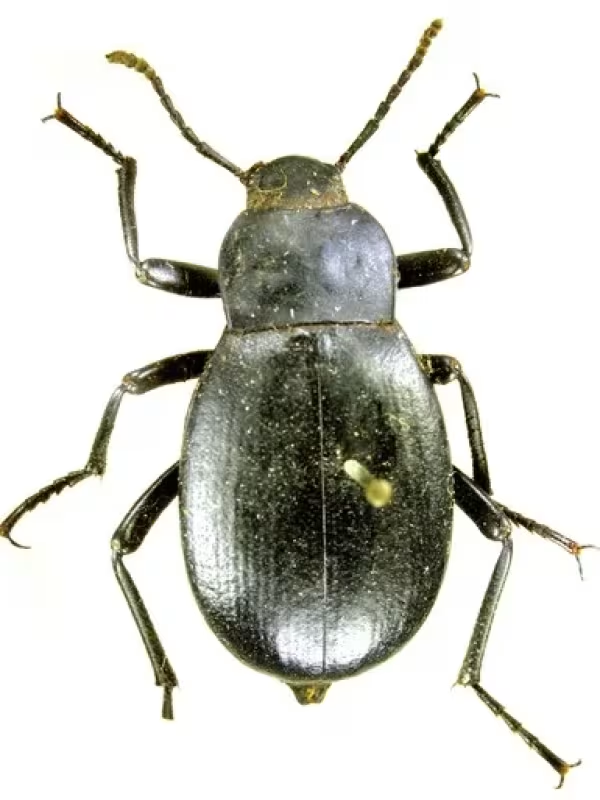
Sphodrus belongs to the Carabidae family and is characterized by an elongated body, typically measuring between 15 and 25 mm. The insect's body is dark, often coal-black, with smooth elytra featuring distinctive longitudinal grooves.
Adults possess a well-developed chewing mouthpart adapted for both predation and feeding on plant tissues. The head is relatively large with visible mandibles, and the antennae are filiform, which aids in navigating the soil environment.
Larvae have the typical appearance of ground beetles: they are campodeiform, mobile, with developed legs and a well-defined sclerotized head capsule. Larval development occurs primarily in the topsoil layer or beneath plant debris.
These beetles are primarily nocturnal, preferring moist and shaded habitats. During the day, they hide under soil clumps, stones, or in soil cracks, making them difficult to detect in the field without specific monitoring techniques.
Systematically, this genus is part of the order Coleoptera. It is important to note that while most ground beetles are beneficial entomophages, some species may display phytophagy when prey is scarce, becoming potential pests of cultivated plants.
What it damages
Sphodrus can damage a wide range of agricultural crops, including cereals (wheat, barley) and various vegetable plants. The primary damage occurs during the early stages of plant development, when seedlings are most vulnerable.
Beetles pose the greatest threat during seed germination and the emergence of the first true leaves. They are capable of cutting through young stems at the soil surface, leading to the death of the tender seedling.
In high population densities, the pest can destroy significant crop areas in a very short time. Damaged plants typically lodge and wither, creating characteristic bare patches in the field.
Besides direct tissue consumption, Sphodrus can damage grains directly in the ear during maturation if conditions favor a transition to plant-based food. This reduces both stand density and overall harvest quality.
The phytophagy of Sphodrus is often facultative, meaning the intensity of damage depends on the overall balance of available food in the agroecosystem. A lack of natural prey forces them to shift to available parts of cultural plants.
When it appears
Adult activity begins in early spring, immediately after snowmelt and soil warming to optimal temperatures. During this period, overwintered beetles begin intensive feeding and seeking sites for egg-laying.
The summer period is characterized by several developmental phases, from egg-laying to pupation. Soil temperature plays a crucial role in the speed of the pest's generation cycles.
The highest level of harmfulness is observed during periods of prolonged wet spring weather, when insects move actively across the soil surface. The autumn period involves preparation for overwintering, though adults may still cause damage to winter crops.
The life cycle includes complete metamorphosis: egg, larva, pupa, and imago. Most Sphodrus species are univoltine, allowing them to adapt efficiently to crop rotation conditions.
Weather conditions have a direct impact on larval survival. Soil moisture deficiency during critical development phases often leads to high juvenile mortality, which naturally limits population growth.
Signs of infestation
The first sign of the pest's presence is the occurrence of cut or chewed seedlings in the early vegetative stages. Such damage is often mistaken for the work of soil-dwelling pests like wireworms or false wireworms.
Inspecting crops at night or at dusk can reveal beetles actively moving across the soil surface near affected plants. The use of light traps can also help confirm the species' presence in the area.
The presence of characteristic traces on leaves or stems with ragged edges indicates the activity of chewing mouthparts. Unlike caterpillars, beetles often leave coarser and deeper tissue damage.
The gradual disappearance of seedlings in specific field areas, especially along field margins or overgrown borders, often indicates localized Sphodrus infestation. Infestation hotspots can expand rapidly under favorable weather conditions.
Soil excavations in the affected zone allow for the detection of larvae or adults in the top soil layer. Regular monitoring of crop conditions is critical for timely assessment of harvest threats.
Control measures
Protection measures include agrotechnical methods: deep autumn plowing disrupts the pest's overwintering sites and contributes to population reduction. Thorough weed management denies the beetles shelter sites.
Following crop rotation is an effective method for breaking the Sphodrus development cycle. Avoiding cereal monocultures reduces the accumulation of insect populations within the soil layer.
When damage thresholds are exceeded, chemical control methods are used. Seed treatment with insecticidal dressings protects young seedlings during their most vulnerable growth and development phase.
In cases of mass emergence during the seedling stage, applying contact-stomach insecticides to the soil surface is an option. Products must provide sufficient residual protection.
Biological methods, including the conservation of natural entomophages (e.g., birds, insectivorous mammals), help keep populations at a safe level. Integrated Pest Management (IPM) is the most preferred approach in modern agriculture.
Taxonomy
- Latin name
- Sphodrus
- Order
- Coleoptera (beetles)
- Family
- Carabidae
- EPPO code
- SPDRSP
Discussion
No discussions yet — be the first.