
Somotrichus unifasciatus
Somotrichus unifasciatus
Description
How to identify
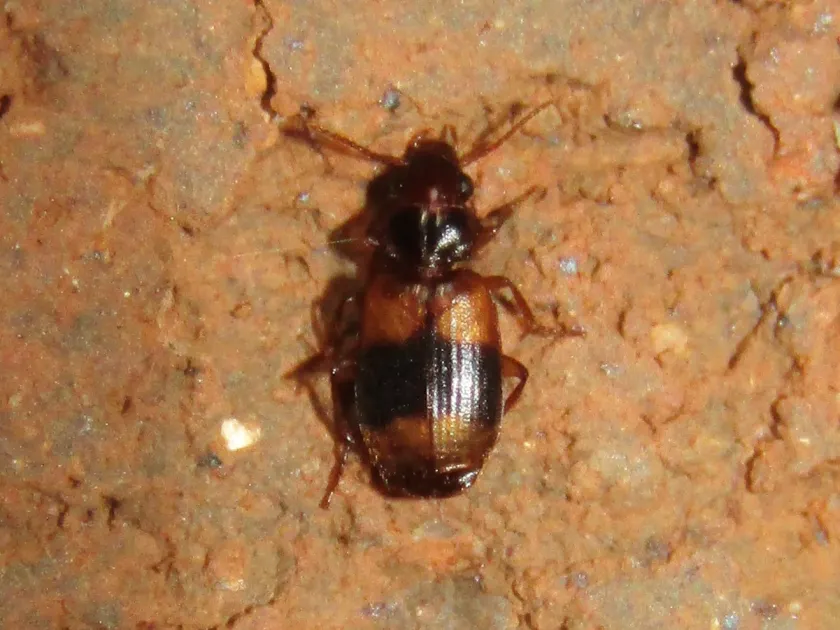
Somotrichus unifasciatus is a species of beetle belonging to the ground beetle family (Carabidae) within the order Coleoptera. Adult specimens are relatively small, typically measuring between 3.5 and 4.5 mm in length.
The coloration of the body ranges from yellowish-brown to reddish-brown. A distinctive diagnostic feature of this species is the dark transverse band present on the elytra, which inspired its scientific name.
The body surface is covered with fine hairs. The head and pronotum display a shape characteristic of carabids, while the filiform antennae distinguish them from many other stored grain beetle species.
The larvae of this beetle are campodeiform and active. They undergo several larval stages, increasing in size as they develop while remaining mobile within the grain mass or stored product.
Although most ground beetles are predatory, this specific species has adapted to a synanthropic lifestyle, primarily inhabiting warehouses and feeding on various plant-based stored commodities.
What it damages
Somotrichus unifasciatus acts as a significant stored product pest. It is commonly found in storage facilities holding grains, nuts, dried fruits, legumes, and various processed plant products.
This pest is frequently intercepted in international shipments, making it a potential concern for quarantine authorities regulating the movement of agricultural commodities across borders.
Damage is caused by both adult beetles and larvae. They are known to penetrate packaging materials and feed on the stored goods, leading to both weight loss and significant deterioration in product quality.
Besides direct consumption, the pests contaminate stored stocks with excrement, larval exuviae, and insect fragments, rendering the products unsuitable for human consumption or processing.
Elevated moisture levels within storage units significantly favor the rapid proliferation of the pest, leading to widespread infestation if not controlled promptly through proper grain management.
When it appears
In heated warehouse environments, Somotrichus unifasciatus can complete its life cycle throughout the year, provided that the temperature remains consistently above 15–20 degrees Celsius.
Optimal conditions for rapid development include high ambient temperatures and elevated relative humidity, typical of poorly ventilated storage areas where air circulation is limited.
During the summer months, rising external temperatures increase adult beetle activity, allowing them to disperse throughout the storage facility and colonize new batches of commodities.
In unheated warehouses, the insect's biological processes slow down during the winter months, yet individuals remain viable by seeking refuge in cracks, crevices, or under storage equipment.
The developmental cycle from egg to adult is highly dependent on the local microclimate, necessitating consistent monitoring of stock conditions regardless of the calendar season.
Signs of infestation
The first indicator of an infestation is the visual detection of adult beetles on sacks, pallets, or the surface of grain piles during regular warehouse inspections.
The presence of fine frass (excrement) and larval skins within the intergranular spaces is a clear evidence that a reproducing population is established and actively feeding on the stored goods.
A musty or off-odor emanating from the storage area often indicates the presence of an infestation, caused by both the insect activity and subsequent fungal development on damaged materials.
Signs of packaging damage, such as small perforations or shredded edges on bags, indicate that the beetles have breached the containers and are actively consuming the contents.
Using pheromone or sticky traps designed for stored product monitoring is an effective way to identify the initial stages of colonization, as adults are attracted to these devices.
Control measures
Sanitary practices are the foundation of control: thoroughly cleaning storage areas of grain dust, debris, and residues before introducing new commodities is crucial to prevent infestations.
Using hermetically sealed containers for food and seed storage effectively prevents the migration of the pest between different batches of products or contaminated areas.
When heavy infestations occur, fumigation using phosphine-based products is the standard treatment to eliminate the pest at all stages of its biological cycle.
Maintaining low moisture levels in stored grain (ideally below 12-14%) is a key preventive measure that significantly limits larval survival and the overall rate of population growth.
- Conduct regular inspections and stock monitoring;
- Deploy insect traps to capture and monitor adult populations;
- Apply residual insecticides to empty warehouse surfaces;
- Ensure proper ventilation to prevent localized hotspots and moisture buildup.
Taxonomy
- Latin name
- Somotrichus unifasciatus
- Order
- Coleoptera (beetles)
- Family
- Carabidae
- EPPO code
- SOMOUN
Discussion
No discussions yet — be the first.