
Somotrichus
Somotrichus
Description
How to identify
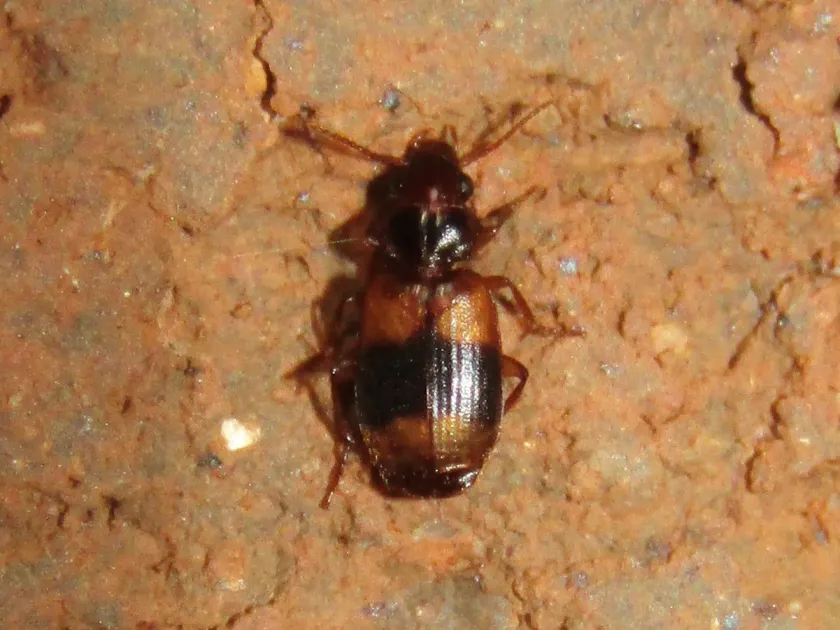
Somotrichus (scientific name: Somotrichus elevatus) is a beetle belonging to the family Carabidae, commonly known as ground beetles.
It is a small insect, typically measuring about 3 to 4 millimeters in length, characterized by a rounded body shape.
The body is covered with fine, sparse hairs which give it a dull appearance, helping it blend into its natural environment.
Its color ranges from a reddish-brown to a darker, almost blackish-brown shade, providing effective camouflage in grain stores.
Adults possess functional wings, allowing them to fly and actively colonize new areas, including warehouses and distribution centers.
What it damages
This beetle is a notable pest in stored products, primarily infesting various types of seeds, grains, and processed food items.
It frequently targets cereals, oilseeds, and pulses, which makes it a significant problem for the agricultural supply chain.
Beyond grains, Somotrichus can be found in dried fruits, nuts, and even processed spices, causing quality degradation.
The insect acts both as a primary consumer of agricultural goods and, interestingly, as a predator that may feed on other insects inhabiting the store.
Severe infestations result in significant economic loss due to the contamination of products with excrement and physical destruction of seeds.
When it appears
The activity and development of Somotrichus are highly temperature-dependent, preferring warmer warehouse conditions for breeding.
In temperature-controlled storage facilities, this pest is capable of continuous reproduction throughout the entire year.
The life cycle is accelerated when temperatures reach the optimal range of 22°C to 30°C, leading to rapid population growth.
During winter months in unheated facilities, the beetles typically seek shelter in wall cracks or structural crevices, entering a state of reduced activity.
Infestation risk is highest during late spring and summer when warming grain temperatures facilitate faster developmental cycles.
Signs of infestation
Detection is often initiated by the visual presence of adult beetles crawling on the surface of grain heaps or warehouse floors.
Careful observation of samples will reveal irregular feeding marks on individual grains, often accompanied by fine debris.
- Presence of characteristic dusty waste particles in the stored product.
- Unusual odors emanating from the grain heap indicating biological degradation.
- Clusters of beetles found near accumulation points or spilled grain areas.
Sieving and inspection of grain samples are the standard diagnostic procedures to determine the extent of a Somotrichus infestation.
Control measures
Effective management starts with rigorous sanitation practices, including the removal of all spillages and dust from storage floors.
Regular warehouse maintenance and structural repairs are essential to prevent beetles from finding harborage areas.
Fumigation of grain stocks remains a primary method for eliminating established populations of the pest within stored goods.
Maintaining low moisture content in the grain (below 14%) helps minimize the survival and reproduction rate of the beetle.
Integrated Pest Management (IPM) programs should involve monitoring traps to detect early arrival and prevent widespread contamination.
Taxonomy
- Latin name
- Somotrichus
- Order
- Coleoptera (beetles)
- Family
- Carabidae
- EPPO code
- SOMOSP
Discussion
No discussions yet — be the first.