
Birch mice
Sicista
Description
How to identify
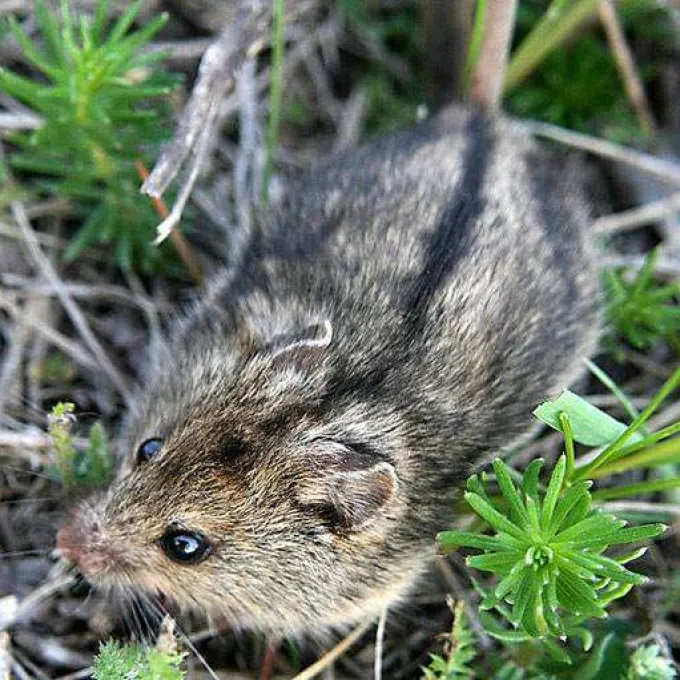
Birch mice (genus Sicista) are small mammals belonging to the family Sminthidae (order Rodentia). They are easily recognizable by their extremely long, prehensile tails, which can be significantly longer than their bodies, aiding them in climbing vegetation.
A distinctive feature of these rodents is a dark dorsal stripe running along their spine from the head to the base of the tail. They possess large eyes and sensitive ears, which are adaptations for their nocturnal or crepuscular lifestyle in dense grassy habitats.
Unlike many other small rodents, birch mice are skilled climbers. Their feet are adapted for grasping, allowing them to navigate high stems of cereal crops with agility. This behavior often makes them harder to detect compared to strictly ground-dwelling rodent species.
Their biology is characterized by a seasonal hibernation phase. As temperatures drop, they retreat into underground burrows or dense organic debris to enter deep hibernation, which distinguishes them from non-hibernating rodents that remain active throughout the winter.
With an average lifespan of 1 to 2 years, these rodents reproduce during the spring and summer months. Under favorable climate conditions, they can produce one or two litters, leading to rapid population growth in agricultural settings if not properly managed.
What it damages
The primary economic damage caused by birch mice occurs during the seed maturation phase. They feed on the seeds of cereals, legumes, and various technical crops, significantly reducing the yield potential of the affected fields.
Beyond seed consumption, birch mice physically damage the crops by gnawing on stems and ears. This activity often causes the plants to lodge (fall over), which complicates mechanical harvesting and leads to substantial crop losses during the combine operation.
Seed production fields and experimental plots are particularly vulnerable to these pests. Due to the high nutritional value of the crops, birch mice can concentrate their feeding activity, leading to severe localized damage in specific parts of the field.
Their diet includes a wide range of crops like wheat, rye, oats, and millet. In vegetable plots, they may also target underground plant parts or fruits, especially if their preferred natural food sources are scarce due to seasonal shifts.
Indirect damage includes the contamination of grain with droppings, which lowers product quality. Furthermore, the feeding sites create entry points for secondary fungal infections, which can spread rapidly under high humidity, impacting the quality of the stored harvest.
Signs of infestation
The most common sign of a birch mouse infestation is characteristic gnawing damage on plant stems and heads at a height of 30–60 cm above the ground. The kernels often appear chewed or ragged, distinct from the clean cuts left by other pests.
Visible trails through dense vegetation are another strong indicator. Birch mice create narrow, elevated pathways that are easily spotted during early morning hours when dew highlights the disturbed grass and vegetation canopy.
Small burrows, often found beneath dense clumps of grass or near field borders, indicate their daytime resting areas. Unlike voles, these burrows often lack large mounds of excavated earth, making them somewhat difficult to locate without careful inspection.
A distinct rustling sound heard in the upper layers of the crop canopy during the night is a strong indicator of birch mouse activity. Their presence is usually concentrated in the upper foliage rather than the soil surface.
The presence of damaged florets and scattered, partially eaten grains on the soil beneath the plants is clear evidence that the pests are actively feeding. Agronomists should prioritize field checks when crops reach the milk or dough stage.
Control measures
Effective control starts with proper tillage practices. Deep autumn plowing disrupts the burrow systems and hibernation sites of birch mice, which significantly reduces their survival rate and population density for the following growing season.
Maintaining clean field borders and managing weeds is crucial. By removing tall grasses and vegetation around field edges, farmers can eliminate the preferred hiding spots and travel corridors used by these rodents, discouraging them from entering the crops.
Chemical control using rodenticides should be employed only when economic thresholds are exceeded. Rodenticides should be applied directly into burrows to maximize efficiency and minimize risks to non-target wildlife and beneficial avian predators.
Encouraging natural predators such as owls and raptors is a key component of integrated pest management. Installing nesting boxes or maintaining existing trees helps support these predator populations, which naturally suppress rodent numbers in agricultural areas.
Monitoring the population throughout the flowering and grain-filling stages is essential. By identifying early signs of damage, agronomists can implement timely control strategies, ensuring that rodent damage remains within acceptable levels and preventing major yield loss.
Taxonomy
- Latin name
- Sicista
- Order
- Rodents
- Family
- Dipodidae
- EPPO code
- SICISP
Discussion
No discussions yet — be the first.