
Selepa
Selepa
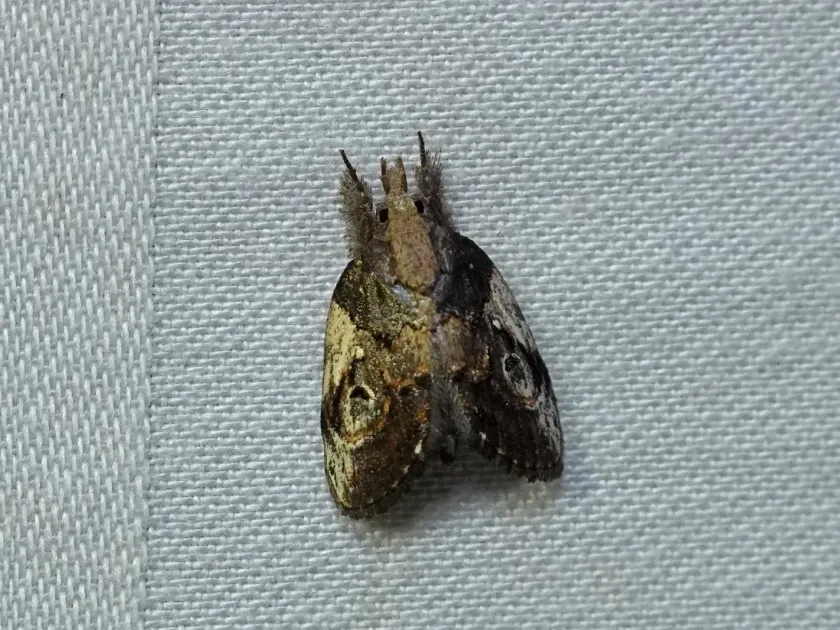
Description
How to identify
Selepa is a genus of moths belonging to the family Nolidae. These insects are characterized by their nocturnal behavior and cryptic coloration, which allows them to blend in perfectly with tree bark and foliage, making them difficult to detect during daylight hours.
The larvae, or caterpillars, are typically cylindrical and possess sparse hair, often mimicking the appearance of leaves or small twigs. Their colors range from pale green to earthy brown, serving as an effective camouflage against predators in their natural habitat.
The life cycle of the Selepa follows a complete metamorphosis pattern: egg, larva, pupa, and adult. Each stage of development is highly adapted to exploit specific environmental conditions found in subtropical regions where these moths are most prevalent.
Identifying the exact species within the Selepa genus often requires specialized morphological examination of adult genitalia. For general field assessment, however, agricultural specialists rely on observing larval characteristics and the specific patterns of foliage damage.
Light traps are the primary tool used for population monitoring. By attracting adult moths during their peak flight periods, farmers can accurately gauge the level of threat and schedule interventions before significant infestations occur.
What it damages
Selepa species are known to cause damage to a variety of plant species, particularly within the Myrtaceae family. Plants such as the clove tree are frequent targets, where the caterpillars consume both young and mature leaves with equal intensity.
Feeding larvae disrupt the plant's photosynthetic capacity, leading to reduced overall vigor. Persistent defoliation causes the tree to weaken, which may result in a decrease in bloom production and overall fruit yield, impacting agricultural profitability.
In addition to leaf consumption, larvae may damage terminal shoots and buds, stunting the vertical and lateral growth of the plant. This structural damage is particularly concerning in nursery settings where the health of young saplings is paramount.
The wounds left behind by the caterpillars act as entry points for various phytopathogens, including fungi and bacteria. This secondary infection risk often aggravates the initial damage, leading to leaf spot diseases and branch dieback.
During outbreak years, high caterpillar densities can lead to complete defoliation of trees in a matter of weeks. The cumulative impact is a severe stress condition that may require several seasons of recovery for the affected trees to return to normal productivity.
Signs of infestation
The most visible sign of a Selepa infestation is the skeletonization of leaves. Larvae eat the soft tissue between the veins, leaving behind a delicate, net-like framework that eventually turns brown and brittle.
The presence of frass (caterpillar droppings) on the leaves or the soil surface beneath the tree canopy is a strong indicator of an active population. Frequent sanitation checks under the canopy are essential for early detection.
Larvae often create shelters by webbing leaves together or curling them into protective tubes. Checking these clusters for silk threads and hidden caterpillars provides clear evidence of ongoing larval activity.
Reduced canopy density and premature leaf shedding are long-term signs of established infestation. Affected trees will appear significantly sparser and less vibrant than healthy specimens nearby, often showing signs of chlorosis or wilting.
Observing adult moths fluttering around nearby light sources at night provides warning of the next generation's egg-laying period. This behavior indicates that preventative action may be necessary before new larvae emerge.
Control measures
Effective management of Selepa involves integrated pest management (IPM) techniques. Chemical insecticides, particularly those with systemic properties, are effective when applied at the first sign of larval emergence to limit population expansion.
Biological control agents, such as Bacillus thuringiensis, offer a targeted approach that reduces larval numbers while preserving beneficial insect populations. These biopesticides are highly effective when applied correctly during the early larval stages.
Mechanical control through the selective pruning of infested branches is a reliable way to reduce the immediate threat in smaller groves. Proper disposal of pruned material prevents the further spread of larvae and pupae within the field.
Promoting the presence of natural predators, such as predatory beetles, lacewings, and parasitic wasps, helps maintain a natural equilibrium. Ensuring hedgerows and nearby areas support these predators is vital for sustainable pest control.
- Conduct field scouting every 7-10 days.
- Install light traps to monitor moth flight activity.
- Apply biological insecticides targeting young larvae.
Taxonomy
- Latin name
- Selepa
- Order
- Lepidoptera (butterflies)
- Family
- Nolidae
- EPPO code
- SELPSP
Discussion
No discussions yet — be the first.