
Acatapaustus metallopa
Acatapaustus metallopa
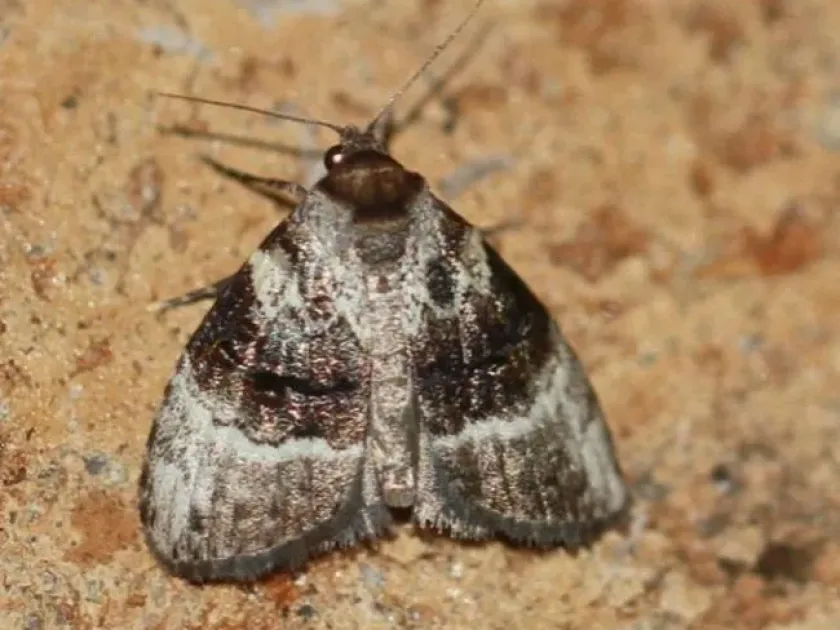
Description
How to identify
Acatapaustus metallopa is a species of moth belonging to the family Gelechiidae (twirler moths). This small insect is a specialized phytophagous pest known for its cryptic life cycle and ability to damage various host plants.
Adult moths are characterized by a metallic sheen on their wings, which serves as a key identification feature. The size is relatively small, with wingspans typically ranging within a few millimeters, making them subtle in their natural environment.
The life cycle encompasses complete metamorphosis, including egg, larva, pupa, and adult stages. The larval stage is the most destructive, featuring specialized mouthparts designed for mining or skeletonizing the internal tissues of plant leaves.
Taxonomic identification of this species often requires precise examination of genital morphology by entomologists. In the field, agronomists rely on observed damage patterns rather than direct visual identification of the adult moths.
The population dynamics of this species are highly dependent on climatic conditions and host plant availability. Increased nocturnal temperatures during the summer months generally correlate with accelerated development rates across all generations.
What it damages
This pest primarily feeds on specific leguminous crops and certain wild plants. In agricultural settings, it can cause significant yield reductions by attacking both vegetative and reproductive plant parts.
Larvae are internal feeders (endophytes). By burrowing into the leaf tissue, they remain protected from external environmental factors and many standard contact-based chemical treatments, complicating management efforts.
Feeding damage leads to the destruction of the mesophyll, the vital tissue responsible for photosynthesis. As a result, the plant’s ability to produce energy is compromised, leading to growth stunting and reduced productivity.
Beyond leaf damage, larvae may also attack buds and flowers. This leads to flower abortion and poor pod set, significantly impacting the final harvest quality and market value of the affected crops.
Severe infestations often result in premature leaf drop and deformed plant stems. The presence of damaged tissues also serves as an entry point for secondary bacterial and fungal pathogens, further complicating the plant's health status.
When it appears
The seasonal activity of Acatapaustus metallopa is closely tied to the phenology of its host plants. Adult emergence typically occurs in the spring when temperatures consistently rise above the developmental threshold.
The initial generation often develops on weeds or early-season wild hosts before migrating to cultivated fields. Consequently, managing field margins is essential for controlling early population buildups.
Developmental timing is highly influenced by the accumulation of heat units (degree days). Multiple generations can occur throughout a single growing season if temperature conditions remain favorable, potentially increasing damage pressure.
Overwintering usually takes place in the pupal stage within the soil or protected plant debris. This behavior makes soil tillage an effective management strategy to disrupt the pest's overwintering cycle.
Peak damage generally coincides with the vegetative growth and flowering stages of the crop. Proactive monitoring during these specific phenological stages is crucial for timely management intervention.
Signs of infestation
The most reliable sign of an infestation is the appearance of light-colored mines or irregular translucent patches on the leaves. These patterns represent the path taken by larvae as they feed between the leaf layers.
Visible silk webbing, which larvae spin to create shelter or bind leaves together, is a hallmark of this species. These nests protect the larvae from predators and desiccation but clearly indicate their presence to observers.
The accumulation of frass (larval excrement) within the leaf mines or silk nests is a definitive diagnostic feature. This helps distinguish this pest's damage from common plant diseases that may cause similar yellowing.
Premature wilting of flower clusters and stunted shoot growth often indicate that larvae are feeding on vascular tissues or reproductive organs. This can lead to noticeable yellowing and necrosis of affected parts.
In cases of heavy infestation, the cumulative damage results in a thinning canopy and decreased overall plant vigor. Early detection through regular field scouting is critical to limiting further spread.
Control measures
Integrated Pest Management (IPM) strategies for Acatapaustus metallopa start with cultural practices, such as deep plowing in autumn. This destroys the pupae surviving in the soil, effectively reducing the next season's starting population.
Sanitation of field edges and control of wild host weeds are essential to eliminate the early-season reservoir populations of the moth. Maintaining clean field boundaries significantly lowers the infestation risk.
Biological control methods involve the utilization of natural enemies, including parasitoid wasps, which can suppress population levels. Encouraging these beneficial organisms is a sustainable approach to pest management.
When chemical control is necessary, systemic insecticides are preferred due to the pest's internal feeding habit. It is vital to alternate chemical classes to prevent the development of resistance in moth populations.
Monitoring using pheromone traps is highly recommended for detecting adult flight activity. This data allows for precise application of control measures, ensuring optimal efficacy while minimizing unnecessary chemical use.
Taxonomy
- Latin name
- Acatapaustus metallopa
- Order
- Lepidoptera (butterflies)
- Family
- Nolidae
- EPPO code
- ROESME
Discussion
No discussions yet — be the first.