
Characoma
Characoma
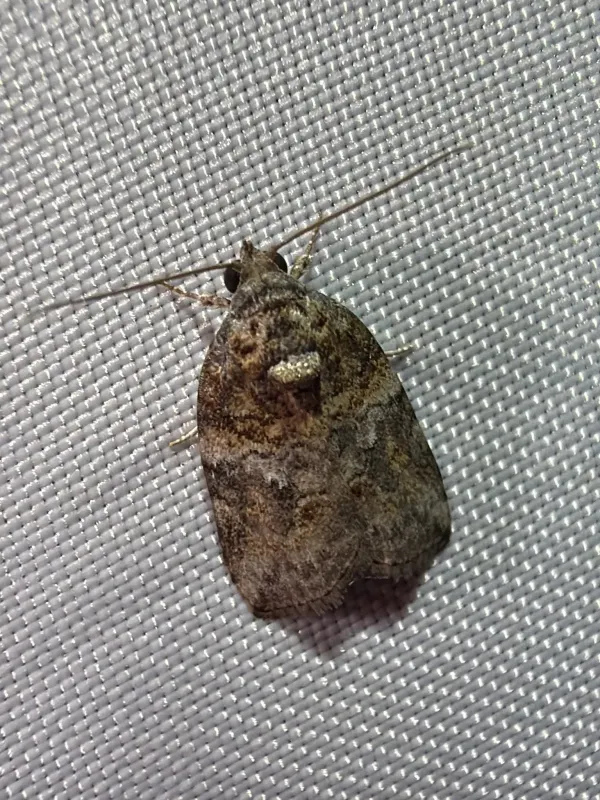
Description
How to identify
Characoma is a genus of moths belonging to the Noctuidae family. The adult moths are typically small, with cryptic coloration that allows them to blend in perfectly with tree bark or foliage, making them difficult to detect during daylight hours.
The larvae, or caterpillars, of Characoma undergo several developmental stages, often exhibiting significant changes in size and appearance. Early-stage larvae are generally pale, while mature caterpillars may develop more distinct patterns or colors that serve as a camouflage.
The taxonomy of this genus includes several species, with Characoma nilotica being among the most well-known. These insects are primarily distributed in tropical and subtropical regions but can adapt to various environments, posing a threat to diverse agricultural zones.
The mouthparts of the larvae are specialized for feeding on dense plant tissues, including buds, young leaves, and developing fruits. Adult moths are primarily nocturnal, meaning that they are active during the night and tend to rest in sheltered areas during the day.
The life cycle of Characoma is closely synchronized with the phenology of its host plants. Environmental factors, particularly temperature, play a crucial role in determining the speed of development, allowing the species to produce multiple generations per season in warm climates.
What it damages
Characoma pests are known to cause damage to a wide range of woody plants and shrubs. They are particularly recognized as a concern for cotton crops, as well as for various fruit trees and ornamental garden plants that are susceptible to caterpillar feeding.
The primary damage is inflicted by larvae that bore into and consume the inner parts of plant buds. This feeding behavior disrupts the growth of shoots and can lead to stunted development or the complete loss of the terminal buds on affected stems.
During severe infestations, the caterpillars may also attack generative organs, such as flowers and young fruits. Larval boring often leads to fruit drop and invites secondary infections by bacteria or fungi, which can further degrade the overall crop quality.
The secretive nature of these pests makes them hard to manage. Larvae often spin silk to tie leaves together or hide within crevices in the bark, creating a protective barrier against external environmental pressures and many standard pesticide applications.
Economic impact is significant due to the species' ability to increase its population density rapidly. In favorable conditions, Characoma can cause widespread destruction of technical crops, leading to significant yield losses if left uncontrolled.
Control measures
Effective management of Characoma requires an integrated pest management (IPM) strategy that combines physical, biological, and chemical methods. Cultural practices, such as removing crop debris, are essential for reducing the overwintering success of pupae.
Biological control involves the use of natural predators, such as parasitic wasps and predatory bugs, which can help regulate population growth. Additionally, pheromone traps are widely used to monitor moth flight activity, providing critical timing data for intervention.
Chemical control is most successful when targeted at early-instar larvae before they bore into deep plant tissues. Systemic insecticides are often preferred as they remain effective even against larvae hidden within buds or curled leaves.
- Using light traps to monitor adult moth activity.
- Removing and destroying infested plant parts manually.
- Applying insecticides during the peak periods of larval hatch.
- Encouraging natural biodiversity to support beneficial insect populations.
Regular monitoring of fields and gardens is necessary to assess the intensity of infestation and determine the appropriate timing for control measures. Always follow local regulations and label instructions when using chemical pest control agents.
Taxonomy
- Latin name
- Characoma
- Order
- Lepidoptera (butterflies)
- Family
- Nolidae
- EPPO code
- CHCMSP
Discussion
No discussions yet — be the first.