
Scaptomyza
Scaptomyza
Description
How to identify
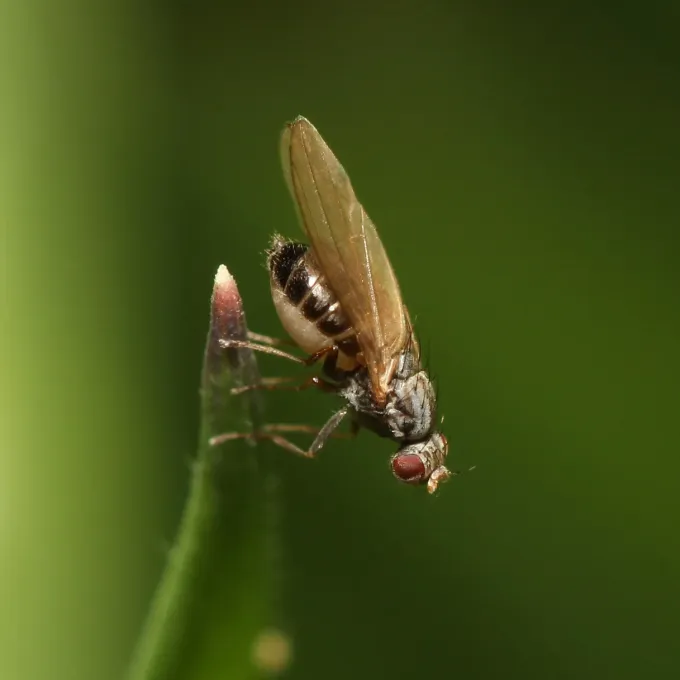
Scaptomyza is a genus of small flies belonging to the family Drosophilidae. These insects are typically 2-3 mm long and often appear greyish or pale yellow in color.
The larvae are internal feeders, developing within the leaf tissue, which makes them uniquely adapted to protect themselves from environmental extremes.
The life cycle consists of the egg, larval, pupal, and adult stages. Depending on the environmental conditions, they can complete their life cycle in just a few weeks.
Pupation often occurs within the leaf mine or in the soil, which complicates control measures if the pupae are missed during initial treatment.
While many drosophilids are attracted to fermenting fruit, Scaptomyza species have specialized to feed on living plant tissues, specifically targeting leaves.
What it damages
The primary hosts of Scaptomyza are plants within the Brassicaceae family, including cabbage, kale, radish, mustard, and several common weeds.
Larvae feed on the leaf parenchyma, creating characteristic serpentine tunnels known as mines. This feeding behavior reduces the photosynthetic surface area.
Severe infestations can cause premature yellowing, withering, and necrosis of the leaves, significantly reducing the vigor of young seedlings.
Beyond the direct loss of plant health, the damaged leaf tissue loses its market value and is no longer suitable for sale or consumption.
The tunnels created by the larvae serve as entry points for secondary pathogens, such as bacteria and fungi, potentially leading to plant diseases.
When it appears
Adult flies emerge from hibernation during the spring as temperatures rise, typically coinciding with the development of the first true leaves on host crops.
Active breeding occurs throughout the growing season, with multiple overlapping generations occurring in favorable, warm, and humid conditions.
Mid-summer is generally the period of peak infestation, when the environmental factors support the fastest growth rate for the larvae.
As autumn approaches and temperatures drop, the activity of the flies gradually declines, though they may persist in protected environments.
Regular monitoring starting from early spring is critical to detect the first presence of these flies before they reach high-density populations.
Signs of infestation
The most distinctive symptom is the presence of white, winding tunnels (mines) clearly visible on the surface of the leaf tissue.
Inside these mines, one might find the larva itself or small, dark-colored fecal pellets left behind as it progresses through the leaf.
In cases of heavy infestation, the tunnels may coalesce, leading to large discolored patches, leaf curling, and eventual drying of the plant foliage.
Close inspection of the underside of leaves may reveal tiny oviposition scars where female flies have inserted their eggs under the epidermis.
Infested plants may appear stunted and exhibit reduced growth rates compared to healthy neighboring plants that have not been targeted by the pests.
Control measures
Cultural control is the first line of defense, including the thorough removal of weeds from the Brassicaceae family that act as reservoirs.
Covering young crops with floating row covers (agrofleece) is a highly effective way to prevent the flies from landing on plants to lay eggs.
Deep cultivation or tilling after harvesting can disrupt the pupation sites in the soil, significantly reducing the overwintering population for the next season.
When chemical intervention is required, systemic insecticides are necessary because they penetrate the leaf tissue to reach the mining larvae.
- Practice crop rotation with non-host crops.
- Use yellow sticky traps for monitoring fly activity.
- Maintain optimal crop health through proper fertilization.
- Implement biological control by encouraging natural enemies.
Taxonomy
- Latin name
- Scaptomyza
- Order
- Diptera (flies)
- Family
- Drosophilidae
- EPPO code
- SCATSP
Discussion
No discussions yet — be the first.