
Eastern fruit fly
Chymomyza amoena
Description
How to identify
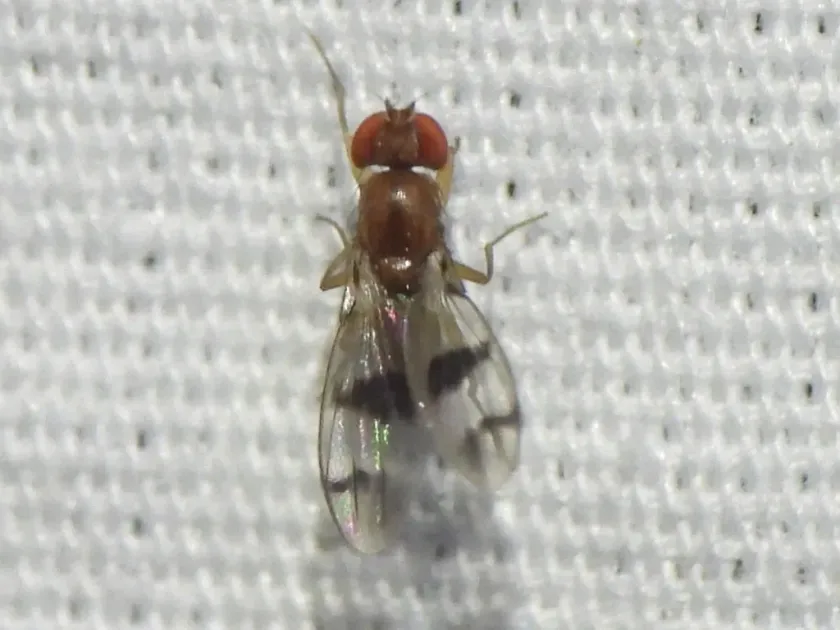
The eastern fruit fly (Chymomyza amoena) is a small insect species belonging to the family Drosophilidae, order Diptera. Adults are very small, typically measuring between 2 to 3 millimeters in length, making them difficult to spot without close inspection.
The adults are distinguished by their brown to yellowish-brown coloration. A key physical feature that aids in identification is the presence of distinctive dark bands or patches on their wings, which is a key diagnostic characteristic for the species.
The life cycle encompasses four stages: egg, larva, pupa, and adult. The females typically deposit their eggs inside injured or overripe fruits, providing the larvae with an immediate and nutrient-rich food source upon hatching.
The duration of the developmental cycle is highly dependent on ambient temperature and humidity. In warm summer conditions, the species can complete multiple generations within a single season, leading to a rapid buildup of the population.
This pest overwinters primarily as an adult or pupa, seeking refuge in protected areas such as leaf litter, soil crevices, or under the bark of trees where conditions remain sufficiently moist and stable.
What it damages
The larvae are the primary damaging agents, feeding within the fruit tissues of various pome and stone fruits, including apples, pears, cherries, and plums. They show a preference for fruits that are already overripe or damaged.
Beyond orchard fruits, this fly can also affect berry crops and vineyards. The pest is particularly attracted to fruits that have already been compromised by other insects, birds, or mechanical wounds, which serve as entry points.
Larval feeding causes the interior of the fruit to break down rapidly. This process results in the softening and fermentation of the fruit flesh, which is often accompanied by an unpleasant odor and loss of market value.
The physical damage caused by the larvae promotes secondary infections from bacteria and fungi, leading to severe rot. This rot often causes the fruit to drop prematurely, significantly reducing the overall harvest yield.
Because the larvae develop rapidly, significant economic loss can occur within a short timeframe. This is particularly problematic during the pre-harvest period when warm, humid weather creates ideal conditions for the flies to reproduce.
Control measures
Sanitation is the most effective strategy for managing this pest. Promptly removing and destroying fallen or damaged fruit eliminates the primary breeding grounds and food sources, helping to keep population numbers low.
Proper orchard management, including regular pruning to open up the tree canopy, improves airflow and light penetration. These conditions reduce the humidity levels that the flies require for optimal reproduction and survival.
Monitoring and suppression can be achieved through the use of baited traps. Mixtures containing vinegar, yeast, or fruit ferments are effective at attracting and trapping adults, thereby reducing the number of eggs laid.
Protecting the fruit from primary wounding by other pests, such as codling moths, is essential. By maintaining healthy fruit skin, you create a physical barrier that prevents the eastern fruit fly from easily colonizing the harvest.
When chemical control is necessary, it must be used judiciously, prioritizing products with short pre-harvest intervals to ensure the safety of the fruit for human consumption while effectively targeting the adult fly population.
Taxonomy
- Latin name
- Chymomyza amoena
- Order
- Diptera (flies)
- Family
- Drosophilidae
- EPPO code
- CHYMAM
Discussion
No discussions yet — be the first.