
Acletoxenus
Acletoxenus
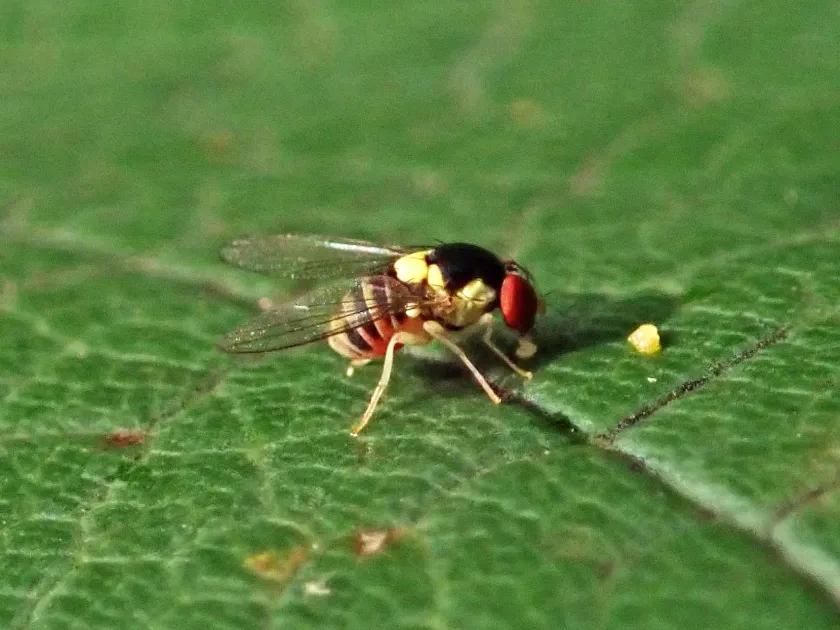
Description
How to identify
Acletoxenus is a genus of flies belonging to the family Drosophilidae. These small insects are highly specialized predators that are frequently overlooked in agricultural environments due to their cryptic habits and size.
The larvae of the genus are distinct for their predatory behavior. They are typically found in close association with colonies of whiteflies (Aleyrodidae), which serve as their primary food source during the larval stage.
Adult Acletoxenus are small, agile flies. They possess sensory capabilities that allow them to locate areas of high prey density, where they then deposit their eggs to ensure the next generation of larvae has an immediate food supply.
The life cycle involves complete metamorphosis. Because the larvae are specialized predators, their development is perfectly synchronized with the availability and population cycles of the prey species they target.
Taxonomically, they fall within the Diptera order. Distinguishing them from other drosophilids is crucial for integrated pest management, as their presence is a positive indicator of natural pest suppression.
What it damages
Acletoxenus is not a plant pest; it is a highly beneficial insect that functions as an entomophage. It causes no damage to crops, as it does not feed on plant tissues, vascular sap, or plant structures.
The primary target of Acletoxenus larvae is the whitefly, specifically the greenhouse whitefly (Trialeurodes vaporariorum). By consuming eggs and nymphs, these flies act as biological regulators that protect vegetables and ornamentals.
There are no signs of injury or plant pathology associated with this fly. Instead, the presence of these insects is often accompanied by a decline in the populations of pests that cause leaf yellowing and soot-mold development.
The economic impact of Acletoxenus is entirely positive. By reducing the whitefly population, it helps maintain plant health, improves photosynthesis by reducing leaf contamination, and lowers the cost of crop management.
In agricultural practice, identifying this species as a beneficial predator is vital. Treating it as a pest would be a counterproductive move that disrupts natural biocontrol services provided by these flies.
Control measures
Protecting Acletoxenus involves adopting an integrated pest management (IPM) approach that prioritizes the survival of natural enemies. Chemical control should be the last resort, only used if essential and strictly selective.
The most effective strategy for managing crops where Acletoxenus is present is to avoid broad-spectrum insecticides. Such chemicals are indiscriminate and will eliminate the predatory population, leading to pest outbreaks.
Farmers should implement biological control strategies that support the predator's life cycle. This includes maintaining steady greenhouse conditions and providing refuges where beneficial insects can thrive during chemical-free periods.
Monitoring the efficacy of Acletoxenus helps in determining if supplemental biocontrol is needed. If the predator population is healthy, it can keep whitefly densities below the economic threshold without human intervention.
- Minimize the use of chemical pesticides in greenhouses.
- Adopt selective pest control methods that spare entomophages.
- Train staff to identify and protect beneficial larvae.
- Establish consistent climate control to favor natural predator development.
- Prioritize biological products in the crop protection schedule.
Taxonomy
- Latin name
- Acletoxenus
- Order
- Diptera (flies)
- Family
- Drosophilidae
- EPPO code
- ACLESP
Discussion
No discussions yet — be the first.