
Southern mole cricket
Scapteriscus
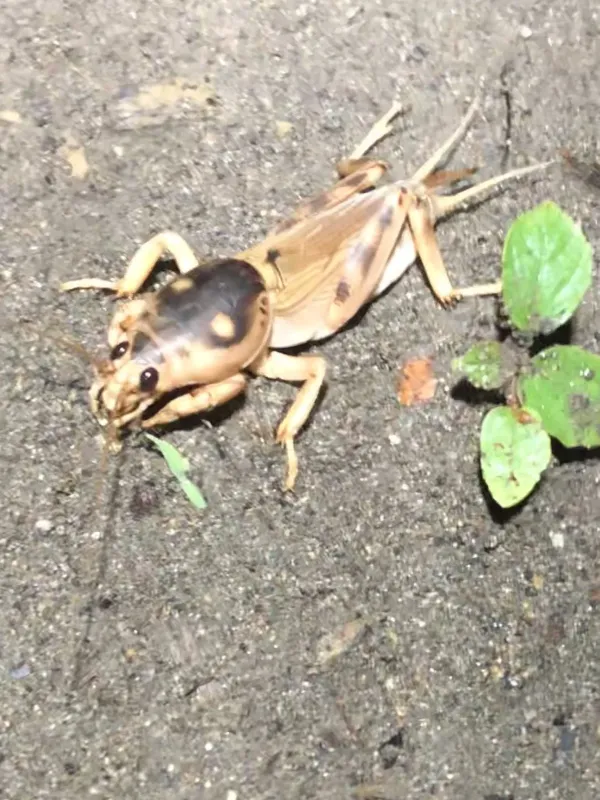
Description
How to identify
The Southern mole cricket (genus Scapteriscus) is a significant subterranean pest belonging to the Gryllotalpidae family. These insects are highly adapted to life underground.
Adult mole crickets possess powerful, shovel-like forelegs designed for efficient digging through soil. They are typically light to dark brown in color.
Unlike some other species, members of the Scapteriscus genus are known for their strong flying capabilities, allowing them to colonize new areas rapidly.
They produce distinct, species-specific mating calls during the breeding season, which can be used to identify their presence in a specific area.
Their life cycle consists of eggs, several nymphal instars, and adults. The female constructs subterranean chambers to protect her eggs from environmental stress.
What it damages
Southern mole crickets are voracious feeders that target a wide variety of turfgrasses, ornamental plants, and vegetable crops throughout their range.
They damage plants by physically severing roots while tunneling and by direct feeding on the roots and underground stems of seedlings.
The tunneling process also dries out the soil, which indirectly stresses or kills young plants by depriving them of necessary water and nutrients.
In lawns and pastures, their activity results in unsightly mounds of soil and dead patches where the grass root system has been completely destroyed.
High populations can lead to total crop failure, particularly in newly planted fields where the small seedlings are unable to withstand even minor damage.
When it appears
Activity levels fluctuate according to soil temperature and moisture. Adults are most active during the spring and late summer months for mating.
During the peak of the season, these pests are most mobile and prone to flight, often triggered by rainfall or irrigation which brings them to the surface.
As soil temperatures drop in the late autumn, the mole crickets retreat to deeper levels of the soil profile to overwinter safely.
Early spring is a critical period for management, as the overwintered adults emerge to feed and begin the next reproductive cycle.
Successful management depends heavily on timing applications to coincide with the most vulnerable stages of the insect's life cycle.
Signs of infestation
Visible surface disturbance, characterized by raised, irregular soil tunnels (ridges), is the primary indicator of mole cricket activity.
Sudden death or wilting of seedlings in a row is a classic sign that the root system has been compromised by underground feeding.
Dying patches of turfgrass that feel spongy or loose when stepped on indicate that tunneling has detached the grass from the soil beneath.
The presence of small, circular exit holes, particularly after irrigation or rainfall, suggests the insects have been moving between the surface and the soil.
Monitoring for the presence of adult crickets can also be done using soap-water flushes in suspected areas to force them to the surface for identification.
Control measures
Integrated Pest Management (IPM) is essential for controlling Scapteriscus due to their mobility and subterranean habits.
- Application of granular or liquid insecticides targeting the nymphs during their active feeding period.
- Use of biological control agents, including specialized parasitic wasps or entomopathogenic nematodes.
- Maintaining healthy, thick turf to make the environment less favorable for egg-laying.
- Setting up light traps or pheromone traps to monitor and reduce adult populations.
- Regular irrigation management to keep soil moisture levels optimal for plant growth without attracting excessive pests.
Taxonomy
- Latin name
- Scapteriscus
- Order
- Orthoptera (locusts)
- Family
- Gryllotalpidae
- EPPO code
- SCAESP
Discussion
No discussions yet — be the first.