
Rhipicephalus
Rhipicephalus
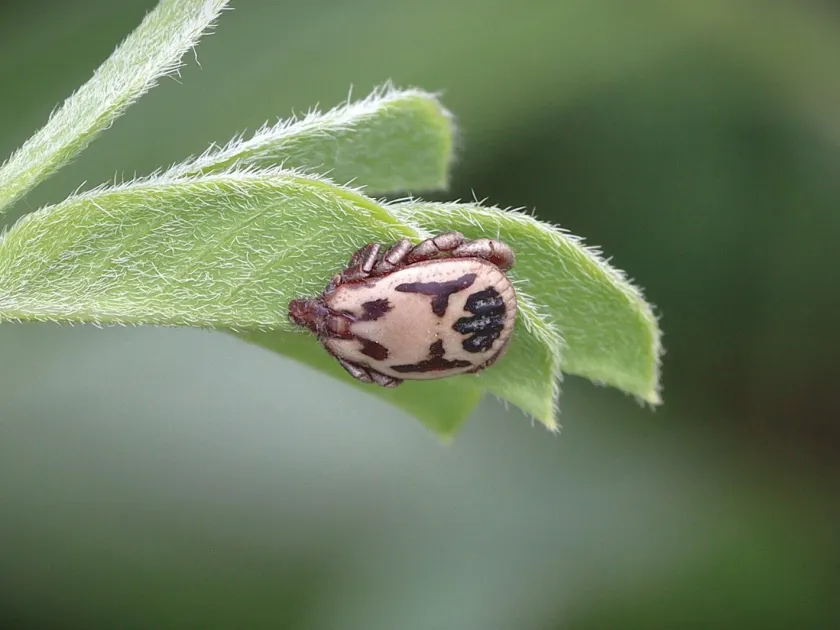
Description
How to identify
Rhipicephalus is a genus of hard ticks belonging to the family Ixodidae, widely recognized for their importance in veterinary and human medicine.
Adult ticks possess a characteristic scutum and a short capitulum, with males exhibiting distinct festoons at the posterior margin of their bodies.
These ticks are three-host parasites, meaning they transition between different animal species during their larval, nymphal, and adult life stages.
They utilize complex sensory organs to detect the body heat and exhaled carbon dioxide of passing animals, enabling them to attach themselves effectively.
Due to their evolutionary adaptation, they are capable of surviving in diverse environments, ranging from grasslands to arid shrublands across the globe.
What it damages
Rhipicephalus ticks cause significant economic damage to agriculture by affecting the health and welfare of cattle, sheep, and other livestock animals.
The primary impact is physiological stress, which leads to reduced milk yield, slower weight gain, and diminished quality of hides for industrial use.
These parasites are primary vectors for several severe livestock diseases, including bovine babesiosis and theileriosis, which can be fatal to the herd.
Persistent infestations lead to skin wounds, local inflammation, and potential secondary bacterial infections that complicate the recovery process.
The financial burden is compounded by the high costs of veterinary care, therapeutic drugs, and the labor required to manage and monitor the infestation.
When it appears
The activity of Rhipicephalus ticks is highly dependent on climate, typically starting in early spring when temperatures rise above the development threshold.
Peak infestation risk occurs during the warmer months, particularly during spring and early summer when livestock are consistently grazing on open pastures.
In regions with mild climates, these ticks may remain active for extended periods, with some species showing bimodal activity patterns throughout the year.
Environmental humidity plays a crucial role in their survival, as extreme dryness can limit the tick's activity and force them into deeper soil layers.
During the winter, the ticks enter a dormant state, hiding in the soil or ground vegetation to protect themselves from harsh freezing temperatures.
Signs of infestation
A primary indicator of infestation is visible behavior changes in animals, such as persistent rubbing against structures or trees to relieve intense itching.
Close inspection of livestock often reveals the presence of attached adult ticks, commonly located in areas with thinner skin, like the ears, groin, or axilla.
Inflamed skin, localized redness, or small swellings at the site of attachment provide clear evidence of a recent or ongoing tick infestation.
Reduced appetite and lethargic behavior are secondary clinical signs that suggest an animal may be suffering from a tick-borne disease or anemia.
Consistent herd monitoring helps in the early detection of these parasites, allowing for prompt intervention before widespread transmission occurs.
Control measures
Effective control requires a multi-faceted approach, including the direct application of acaricidal products via sprays, dipping vats, or spot-on treatments.
Pasture management is essential; practices such as regular mowing, removal of heavy brush, and controlled burning reduce the ticks' natural habitat.
Implementing a strict quarantine program for newly introduced animals prevents the introduction of new tick populations into a healthy herd.
Biological control methods, such as utilizing chickens or guinea fowl, can help naturally reduce the tick population in certain grazing environments.
- Regular application of systemic acaricides.
- Monitoring pastures for tick hotspots.
- Maintaining proper animal nutrition to boost immunity.
- Using ear tags impregnated with insect repellents.
Taxonomy
- Latin name
- Rhipicephalus
- Family
- Ixodidae
- EPPO code
- RHIPSP
Discussion
No discussions yet — be the first.