
Moor frog
Rana arvalis
Description
How to identify
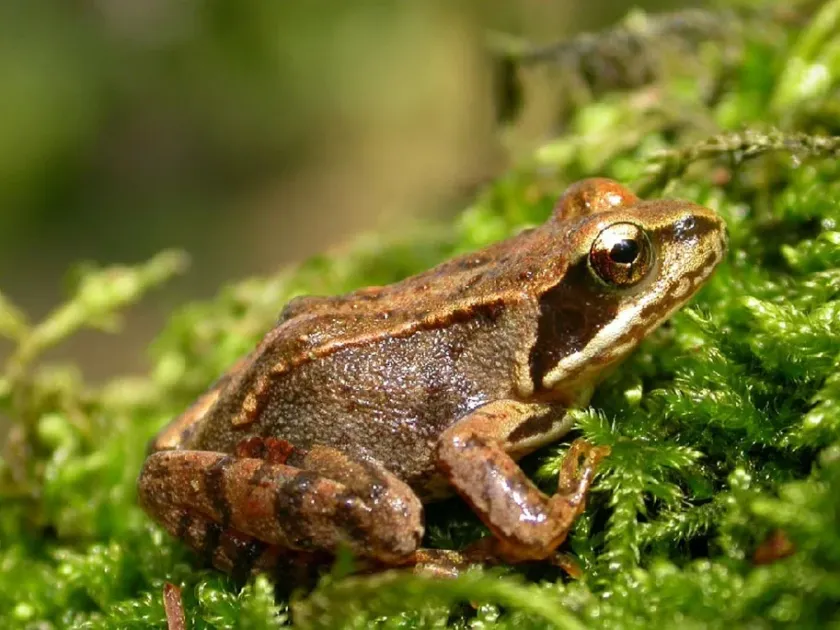
The Moor frog (Rana arvalis) is an amphibian belonging to the true frog family, characterized by its pointed snout and well-developed inner metatarsal tubercle.
Adult specimens typically reach a length of 6 to 8 centimeters and exhibit a skin color ranging from brownish-grey to reddish, usually with a dark temple patch.
During the mating season, males display a distinct silvery-blue color, which is a key diagnostic feature for distinguishing this species from others in the field.
These frogs inhabit moist environments, including forests and adjacent agricultural lands, where they thrive in habitats providing high humidity and shelter.
The life cycle begins with eggs laid in water, followed by a tadpole stage, and concludes with the adult stage where they transition to a terrestrial lifestyle.
What it damages
While the Moor frog does not feed on crops, its high density in agricultural settings can cause physical stress to young plant seedlings through trampling.
Movement of frogs through densely planted rows can disturb the topsoil structure and potentially affect the root zone of delicate nursery seedlings.
In humid greenhouse conditions, the presence of these amphibians can contribute to local microclimates with high humidity, facilitating the growth of certain molds.
The release of mucus on the surface of harvested vegetables or fruits during handling can sometimes lead to reduced quality and aesthetic issues for the produce.
It is important to acknowledge that they act as significant predators of agricultural insect pests, which often makes them beneficial to overall crop health.
When it appears
Seasonal activity begins in early spring as temperatures rise, signaling the migration period towards breeding sites located in water bodies near fields.
Throughout the summer months, these frogs are active in hunting insects and can frequently be found moving across agricultural land during humid weather.
As autumn approaches, they seek out hibernation sites under leaf litter or within burrows where they remain dormant throughout the winter months.
The primary peak in activity occurs during the evening hours or immediately following rainfall when the moisture levels are ideal for their mobility.
Fluctuations in seasonal weather patterns can directly dictate the timing and intensity of their presence on or near cultivated crop areas.
Control measures
Management strategies focus on physical exclusion, such as installing fine-mesh fences or barriers around highly sensitive nursery areas to prevent frog entry.
Agronomic practices like improving field drainage and preventing standing water accumulation significantly reduce the likelihood of attracting these amphibians.
Regular maintenance of field margins, including mowing tall grass and removing excessive plant debris, makes the area less suitable for frog habitation.
Maintaining a balanced approach to land management is essential to minimize frog impact while preserving their role as natural insect control agents.
Chemical control is generally discouraged because it creates environmental risks and eliminates the beneficial insectivorous role these amphibians provide.
Taxonomy
- Latin name
- Rana arvalis
- Family
- Ranidae
- EPPO code
- RANSAR
Discussion
No discussions yet — be the first.