
Siberian flying squirrel
Pteromys
Description
How to identify
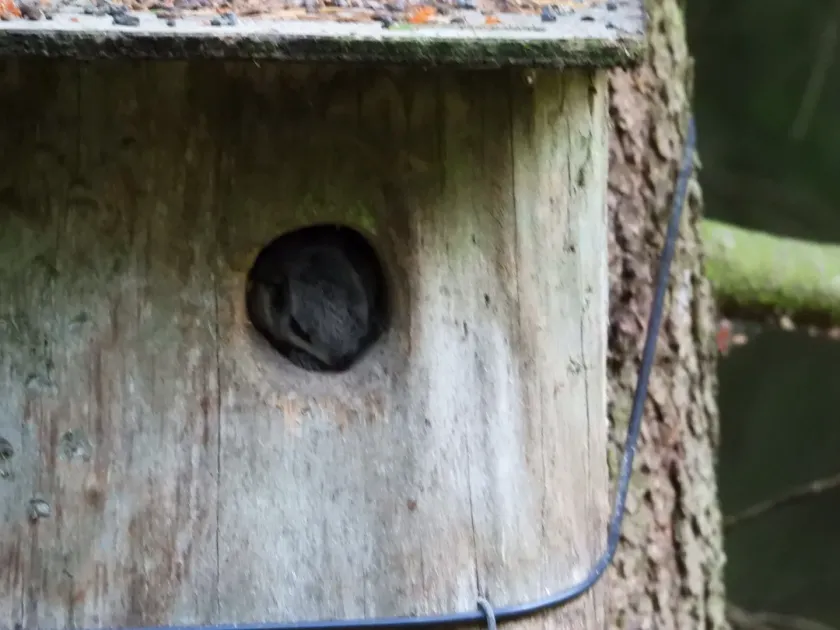
The Siberian flying squirrel (Pteromys volans) belongs to the Sciuridae family. It is a small rodent characterized by a furry membrane (patagium) between its front and hind legs, which enables it to glide between trees.
The animal is covered in soft, greyish-brown fur. Its most striking physical features are its very large, dark eyes, which are perfectly adapted for a nocturnal lifestyle, allowing it to navigate well in low-light conditions.
They are strictly arboreal and rarely descend to the ground. Flying squirrels reside in tree holes, old bird nests, or crevices in trees, preferring mixed forests with mature birch, alder, and spruce trees.
The life cycle involves seasonal breeding, with females producing one or two litters annually. Their population density varies significantly depending on the food availability and the quality of the forest habitat.
While they are vital members of the forest ecosystem, their presence near nurseries or agricultural zones can sometimes be problematic due to their feeding habits during periods of food scarcity.
What it damages
Damage caused by flying squirrels involves the consumption of tree buds, particularly in late winter and early spring. They frequently target the buds of birch, alder, and linden trees to supplement their diet.
In orchards located adjacent to forests, they may gnaw on young shoots of fruit trees, such as apple or pear. This feeding activity can hinder the development of the tree and affect its long-term yield.
Winter feeding also includes consuming coniferous needles and male catkins of larch. This can cause wounds on the tree branches, potentially allowing pathogens and fungi to infect the plant tissue.
Tree nurseries are particularly vulnerable, as the damage to the apical buds of young saplings can cause growth deformities, leading to a reduction in the marketability of the plants.
The economic impact is generally localized. However, during winters with low natural food supplies, the intensity of their feeding on non-natural host plants increases, leading to more noticeable damage.
When it appears
Flying squirrels are active year-round and do not hibernate. This continuous activity means they can potentially feed on plant buds throughout the winter, which is when the most significant damage occurs.
The peak season for plant damage is late February through April. During this transition from winter to spring, the buds begin to swell with nutrients, making them highly attractive to the rodents.
In the summer, the availability of diverse natural foods like berries, mushrooms, and lush green leaves reduces the pressure on orchard trees, making them less prone to squirrel damage during this time.
Autumn is a period of food storage, during which squirrels may visit nearby areas to collect seeds or nuts, potentially causing minor disturbances to agricultural output in the vicinity of their habitat.
Regular monitoring during the late winter period is essential for land managers who operate near forests, as this is the most critical time for preventative actions against feeding damage.
Signs of infestation
The presence of flying squirrels is indicated by characteristic gnaw marks on twigs. These marks are often clean cuts where the buds have been removed, leaving the branches visibly damaged.
Accumulations of droppings or scattered debris under trees, such as scales from birch catkins or bits of needles, are clear indicators that the trees are being used as feeding stations.
Vertical scratch marks on the smooth bark of young trees are typical signs. The squirrels use their sharp claws to grip the bark while moving up or down the trunk of a sapling.
Observing the presence of large, old, hollow trees in the vicinity provides a strong clue that a population of flying squirrels might be nesting nearby, increasing the likelihood of garden visits.
As they are nocturnal, direct sightings are rare. However, using infrared trail cameras or listening for their high-pitched calls in the evening can help confirm their activity in a specific area.
Control measures
Control methods should be non-lethal, as the Siberian flying squirrel is protected in many jurisdictions. Physical barriers are the most recommended approach for protecting plants.
Wrapping the trunks of vulnerable young trees with plastic guards or metal mesh is a highly effective way to prevent the animals from climbing and damaging the bark or buds.
The use of olfactory repellents can be an effective short-term solution. Applying these substances on the perimeter of the garden can discourage the squirrels from entering the area during the winter months.
Implementing ultrasonic or light-based deterrents can create an environment that is uncomfortable for nocturnal animals, effectively keeping them away from valuable plant collections or nurseries.
Maintaining the landscape by removing unnecessary deadwood or old, non-productive hollow trees can reduce the attractiveness of a garden site for nesting, thereby lowering the probability of squirrel activity.
Taxonomy
- Latin name
- Pteromys
- Order
- Rodents
- Family
- Sciuridae
- EPPO code
- PTRMSP
Discussion
No discussions yet — be the first.