
Bird blowfly
Protocalliphora
Description
How to identify
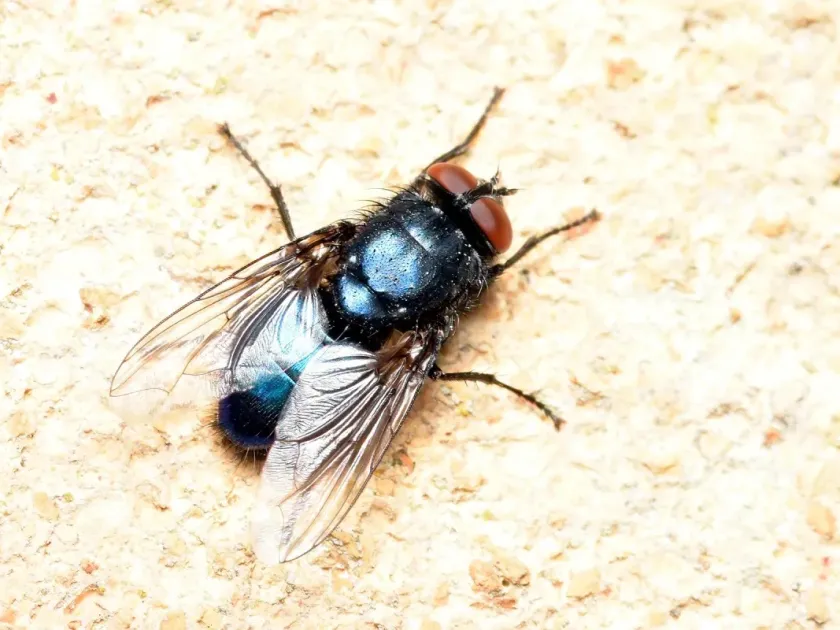
The bird blowfly (Protocalliphora) is a genus of flies in the Calliphoridae family. Unlike other blowflies that feed on decaying matter, the larvae of this genus are obligate blood-sucking parasites of nestling birds.
Adult flies are similar in appearance to common house flies, often featuring a metallic sheen. They are difficult to distinguish without professional entomological knowledge, as they blend into the environment surrounding avian nests.
The life cycle is closely linked to the bird breeding season. Female flies lay eggs within bird nests, ensuring that larvae have immediate access to hosts once they hatch.
Larvae possess specialized mouthparts used to pierce the skin of nestlings. They typically feed on blood during the night and remain hidden within the nest debris during the day to avoid detection.
Detection is often confirmed after the nestlings have fledged. Finding empty pupal casings in the nest material is the most common diagnostic method for identifying an infestation of this species.
What it damages
The primary damage caused by Protocalliphora is severe anemia in nestlings due to blood loss. This weakens the young birds significantly and affects their overall development and growth rates.
Heavy infestations can lead to nestling mortality, particularly in weak or malnourished birds. This represents a significant risk to avian population health and poultry production efficiency.
Skin wounds created by the larvae during feeding serve as entry points for secondary bacterial infections. These infections can lead to septic conditions and further health complications for the birds.
Nestlings that survive an infestation often show reduced weights and compromised plumage development. Their survival chances after leaving the nest may also be significantly lower compared to non-infested birds.
The presence of these parasites can also lead to increased stress levels in breeding pairs, potentially causing them to abandon the nest or reduce the frequency of feeding their young.
When it appears
The activity of these flies peaks during the spring and summer months, corresponding with the peak breeding season of various bird species. The cycle begins as soon as nesting materials are placed.
Multiple generations can be produced within a single season, provided there is a constant supply of active nests. The flies remain dormant or in the pupal stage during the off-season.
Signs of infestation
Restlessness among nestlings during the night is a primary behavioral sign. If the nest is examined, one might observe sores or small scabs on the skin of the young birds.
The presence of dark, barrel-shaped pupae within the nesting material is a definitive sign of infestation. High numbers of pupae indicate a long-term or severe presence of the parasite.
Control measures
Effective control involves the removal and destruction of old nests after the fledging period. This removes the pupae that serve as the reservoir for the next generation of flies.
Safe, approved insecticides can be applied to nesting boxes or the immediate vicinity of nests. It is crucial to choose substances that are non-toxic to the birds being protected.
Maintaining high hygiene standards in poultry facilities and aviaries helps prevent the accumulation of nesting debris where larvae thrive.
Biological controls or habitat management, such as removing nesting materials that are prone to moisture, can help make the environment less hospitable for the parasites.
Regular monitoring of breeding success and nest conditions allows for early intervention, ensuring the health and safety of the brood throughout the critical growth period.
Taxonomy
- Latin name
- Protocalliphora
- Order
- Diptera (flies)
- Family
- Calliphoridae
- EPPO code
- PRTCSP
Discussion
No discussions yet — be the first.