
Yucca moth
Prodoxus
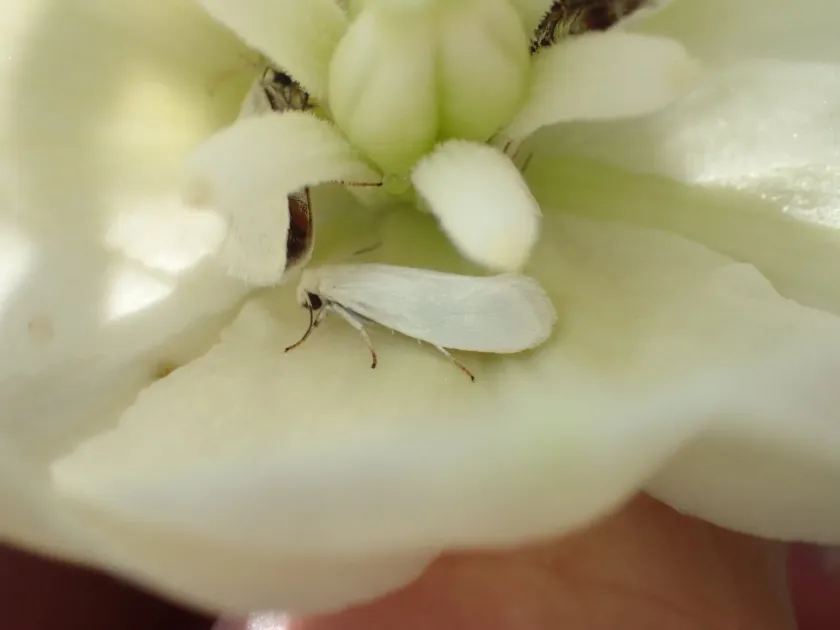
Description
How to identify
The yucca moth belongs to the family Prodoxidae, order Lepidoptera. These insects are highly specialized and have an obligate symbiotic relationship with plants of the genus Yucca.
Adult moths are generally small with narrow, often silvery or pale wings. Their life cycle is deeply integrated with the reproductive system of the host plant.
The biology of this species is unique as females possess specialized tentacles used to actively gather and transfer yucca pollen, an example of obligate mutualism that can evolve into parasitic damage.
Larvae pass through several instars while developing inside the plant's ovary. They are typically cream-colored with a soft body and specialized mouthparts for feeding on developing seeds.
Identification of adults is difficult due to their nocturnal and secretive behavior, so professionals often identify the presence of the pest by characteristic damage to fruit and seeds.
What it damages
The primary food source for yucca moth larvae is the developing seeds and fruit tissue. The female oviposits directly into the floral ovary.
Damage occurs when the hatching larvae begin to consume the interior of the ovary, which frequently destroys the seeds or prevents them from reaching maturity.
Ornamental yucca plantings in areas where the moth has been introduced may suffer from reduced seed production and impaired reproductive success of the plant.
Damaged fruit often exhibits deformation, premature shedding, or dehydration, preventing the pods from developing into healthy seed capsules.
While the vegetative parts of the yucca usually remain unaffected, the aesthetic quality of the inflorescences significantly declines when infestation levels are high.
When it appears
The activity of adult yucca moths is strictly synchronized with the flowering period of the yucca plant, typically occurring in the spring or summer months.
Females lay eggs in the flower tissues during the pollination process. Larval development happens over several weeks as the ovary grows.
After reaching maturity, larvae often exit the fruit to pupate in the soil or leaf litter beneath the plant, where they remain in diapause until the next season.
Depending on the local climate and temperature, there may be one or more generations per year, provided environmental conditions support continuous development.
Monitoring for the presence of the pest should begin as soon as flower stalks appear, as this is the most critical stage for preventative intervention.
Signs of infestation
The main sign of infestation is the presence of small exit or entry holes in the floral ovaries, often followed by browning or physical deformity of the pod.
Close inspection of the inflorescences may reveal oviposition scars at the base of the petals or within the ovary, indicating active pest colonization.
- Premature yellowing and dropping of young seed pods.
- Presence of silk webbing or larval excrement inside damaged fruit.
- A noticeable reduction in the number of viable seeds within the yucca capsules.
Dissecting an affected pod often reveals the presence of caterpillars or pupae, which serves as definitive confirmation of the pest's presence.
If yucca pods appear hollow or exhibit localized tissue necrosis, it is a clear indicator that a generation of moths has successfully developed within the structure.
Control measures
Effective management involves the removal of fading inflorescences immediately after flowering, which helps prevent larvae from completing their life cycle in the soil.
In cases of high infestation levels in ornamental landscapes, systematic insecticides may be applied during the budding stage to reduce pest pressure.
Good sanitation practices, such as clearing fallen fruit and plant debris from the base of the plants, are essential to remove overwintering pupae.
Biological control options include the use of entomopathogenic nematodes that can target larvae and pupae within the soil environment.
Avoid excessive use of broad-spectrum pesticides to prevent harm to beneficial pollinators and other insects that naturally interact with the yucca flowers.
Taxonomy
- Latin name
- Prodoxus
- Order
- Lepidoptera (butterflies)
- Family
- Prodoxidae
- EPPO code
- PRDXSP
Discussion
No discussions yet — be the first.