
Lampronia
Lampronia
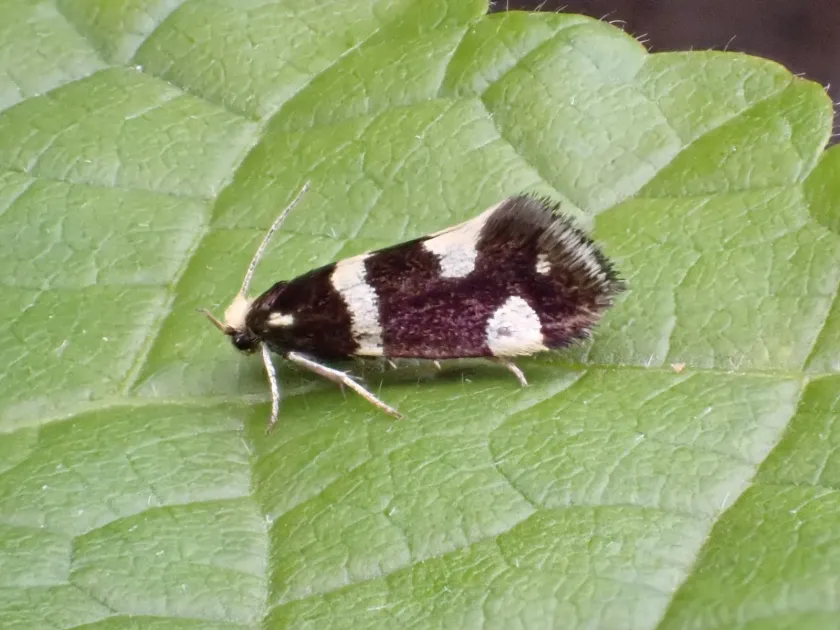
Description
How to identify
Lampronia is a genus of moths belonging to the family Prodoxidae within the order Lepidoptera. These small moths are often characterized by their metallic sheen and elusive behavior.
Adult moths are typically nocturnal or crepuscular, making them difficult to spot during daylight hours when they hide among the foliage of their host plants.
The life cycle involves complete metamorphosis: egg, larva, pupa, and adult. Hibernation usually occurs at the larval stage, with the insects hiding in silken cocoons within bark crevices or near the base of the bushes.
Due to the small size and the similarity between various species in the genus, identifying the specific type of Lampronia often requires professional entomological examination of genital structures.
Their hidden lifestyle makes them a persistent threat in berry production, as farmers may not notice the infestation until significant damage has already occurred.
What it damages
Lampronia primarily targets various berry crops, including currants, gooseberries, raspberries, and blackberries. The damage is largely focused on the generative parts of the plants.
Larvae bore into developing buds during the early spring, consuming the interior tissues. This results in "blind" buds that fail to open, causing immediate loss of potential fruit yield.
During the flowering stage, larvae may invade flower buds, destroying reproductive organs such as anthers and pistils. This prevents pollination and subsequent fruit set, leading to substantial yield reductions.
Developing fruit can also be affected, leading to premature shedding or the development of malformed berries that are not marketable and highly susceptible to rot.
Severe infestations can weaken the entire plant, leading to stunted shoot growth and increased vulnerability to secondary pests or plant diseases throughout the growing season.
When it appears
The emergence of adult moths usually correlates with the onset of bud burst in the spring. This is the primary period for monitoring the start of a new generational cycle.
Eggs are laid in young buds or flowers, and hatching larvae begin feeding immediately. The larval activity period is most intense throughout the spring months until pupation.
Pupation typically occurs in early summer, either on the plant or within the soil surface layers, marking a temporary pause in visible damage to the crops.
A second generation or younger larvae appear toward the end of the season. They feed briefly before finding suitable shelters to undergo winter diapause.
Understanding the exact phenological stages of the moth is critical for successful control, as chemical or biological interventions must coincide with the most vulnerable developmental stages.
Signs of infestation
The primary visual sign of a Lampronia infestation is the presence of withered, shriveled, or unopened buds on bushes that appear otherwise healthy at the start of spring.
If buds or flowers are examined closely, small holes indicating larval entry or exit points may be visible, often accompanied by fine frass (larval excrement).
Webbing that binds together individual flower buds or small berries is a strong indicator of larval presence, as the caterpillars use silk to protect themselves while feeding.
Premature ripening or abnormal coloring of individual berries within a cluster is another common sign of internal larval damage that disrupts normal fruit development.
Excessive bud drop without an obvious cause should prompt a closer investigation for larval activity within the buds to prevent a population explosion.
Control measures
Cultural control is the first line of defense; regular pruning of infested shoots and their prompt destruction are essential to remove overwintering sites for the larvae.
Autumn soil cultivation under the bushes is highly recommended, as it disrupts the pupation sites and exposes larvae and pupae to predators and environmental factors.
Insecticidal treatments should be carefully timed before the flowering period. During bloom, the use of toxic chemicals is prohibited to ensure the safety of pollinating insects.
Biological control agents, including specific bacteria such as Bacillus thuringiensis, can be used to manage larvae if applied at the correct stage of the insect's development.
Integrated Pest Management (IPM) strategies, including pheromone traps to monitor flight patterns, provide the best balance between maintaining healthy yields and protecting the local ecosystem.
Taxonomy
- Latin name
- Lampronia
- Order
- Lepidoptera (butterflies)
- Family
- Prodoxidae
- EPPO code
- LMPNSP
Discussion
No discussions yet — be the first.