
Dichromia
Polyploca
Description
How to identify
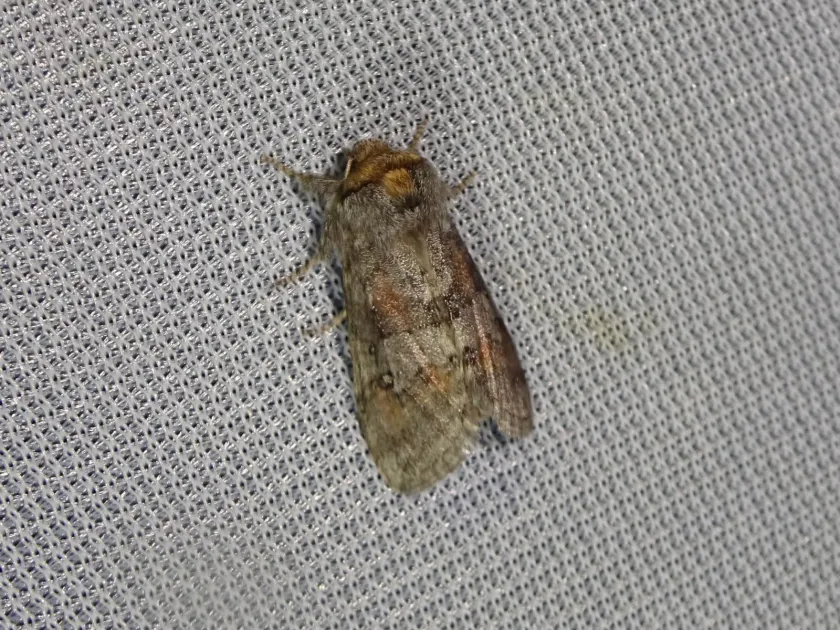
Dichromia (Polyploca) is a moth belonging to the Drepanidae family. It is known for its remarkable ability to mimic textures, such as tree bark or dry leaves, when at rest.
Adult moths typically have a wingspan of 30–35 mm. Their coloration is usually muted, ranging from shades of grey to brown, featuring transverse lines that provide excellent camouflage against woody surfaces.
The larvae are typically slender and exhibit morphological variations that blend seamlessly with the foliage they consume. They are known for being relatively hairless, making them difficult to spot at a glance.
The pupal stage occurs within dense, protective cocoons often spun within folded leaves or deep within bark crevices, which helps the species survive through dormant seasons.
The biological development of this species is highly synchronized with the growth cycles of deciduous trees and shrubs, which serve as their primary hosts throughout their life cycle.
What it damages
The primary damage is caused by the caterpillars, which are voracious feeders that strip foliage from various deciduous tree species and shrubs.
By consuming leaf tissue, the larvae significantly impair the plant's photosynthetic capacity. This loss of vitality makes affected plants less resilient to drought and nutritional stress.
Heavy infestations can lead to widespread defoliation, leaving trees and shrubs vulnerable to secondary pests and various pathogens that exploit weakened plants.
In nursery environments, young seedlings are particularly at risk, as extensive leaf damage can severely stunt growth and compromise the structural integrity of the plant.
While the economic impact is often moderate, outbreaks require prompt attention to avoid cumulative damage to ornamental landscapes and commercial fruit plantings.
When it appears
Adult moths typically emerge in the spring, coinciding with the early stages of plant leaf development, which provides immediate food sources for the offspring.
The caterpillar feeding stage is most active during the peak vegetation months, when nutritional value in the leaves is at its highest for rapid larval growth.
Depending on geographical location and regional climate, the species may complete one or two generations per year, with activity peaking in mid-summer.
Winter is spent in the pupal stage, carefully tucked away in crevices or sheltered spots, ensuring the species is ready to emerge once conditions become favorable again.
Monitoring for signs of larval activity is most effective during late spring, allowing for early intervention before damage reaches significant economic levels.
Signs of infestation
The earliest signs of infestation include ragged leaf edges or holes appearing in the middle of leaves, as younger larvae begin their feeding activity.
Silk webbing used by larvae to pull leaves together is a clear indicator of their presence. These shelters protect them from both predators and heavy rain.
Accumulated frass, or caterpillar excrement, visible on the leaves below feeding sites provides definitive evidence that larvae are actively present in the canopy.
Distorted growth or scarring on tender, young shoots can also indicate that larvae have been feeding in those areas during the active growth season.
Observant gardeners can often spot larvae by shaking branches gently or inspecting the undersides of leaves during the morning hours when they are less concealed.
Control measures
Mechanical control, such as manually picking and destroying leaf shelters or cocoons, is effective for small-scale infestations in home gardens.
Biological treatments, particularly products based on Bacillus thuringiensis, are highly effective against larvae while remaining safe for beneficial garden insects.
Chemical insecticides should be used as a last resort, specifically choosing products that target lepidopteran pests while minimizing impact on non-target species.
Good horticultural practices, including proper tree pruning and maintaining plant vigor through appropriate fertilization, help trees withstand occasional larval damage.
Encouraging natural predators, such as insectivorous birds and parasitic wasps, plays a vital role in keeping populations of this pest in check naturally.
Taxonomy
- Latin name
- Polyploca
- Order
- Lepidoptera (butterflies)
- Family
- Thyatiridae
- EPPO code
- POLCSP
Discussion
No discussions yet — be the first.