
Polistichus
Polistichus
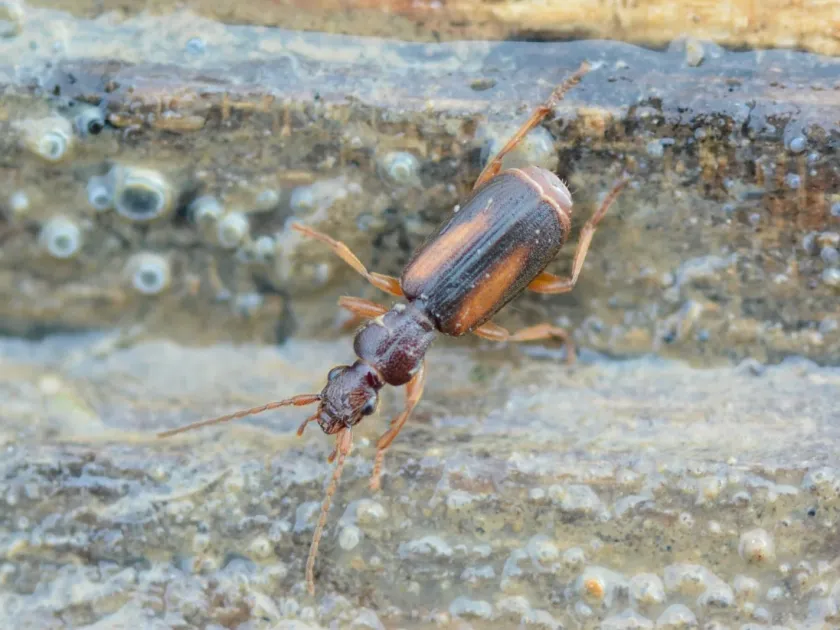
Description
How to identify
Polistichus is a genus belonging to the ground beetle family (Carabidae). These beetles are characterized by an elongated body shape, typically displaying brownish or reddish-brown coloration.
Their physical appearance often includes a distinctively punctured surface on the elytra (wing covers), which helps in differentiating them from other ground beetle genera.
They are highly mobile, primarily nocturnal, and prefer to hide in soil crevices or under surface debris during the daylight hours to avoid desiccation and predation.
The mouthparts are robust, reflecting their capability as predators, although some species exhibit opportunistic feeding habits on plant tissues.
Accurate identification to the species level often requires laboratory examination of their thoracic and head structures under magnification.
What it damages
While many carabids are considered beneficial predators, some Polistichus species can be problematic as they occasionally feed on the seedlings of cereal crops.
Damage primarily occurs during the emergence phase of wheat, barley, and other cereals, where beetles may chew through the young stems or roots.
The feeding activity can lead to poor plant establishment, significantly reducing the density of the crop and sometimes causing patches of stunted or dead seedlings.
Seeds themselves are also at risk, as the beetles can feed on them while they are germinating in the soil, preventing the emergence of the plant entirely.
The severity of the damage is often exacerbated in fields with minimal tillage, as the abundance of plant residue provides an ideal environment for the beetle population.
When it appears
Adult beetles become active in early spring as soil temperatures rise, signaling the start of their feeding period after overwintering.
The peak activity period is typically synchronized with the germination and early seedling stages of cereal crops, posing the greatest threat during these phases.
During the warmer summer months, their activity may decline or shift to deeper soil layers to escape heat and drought conditions.
A secondary period of activity can occur in the autumn, particularly when winter cereals are being sown and germinating.
Their life cycle involves a larval stage that also develops in the soil, and the abundance of generations is highly dependent on local moisture and weather patterns.
Signs of infestation
The most noticeable sign of a Polistichus infestation is the presence of unevenly emerging crops, often appearing as patches of missing or destroyed seedlings.
Close inspection of the damaged plants reveals irregular feeding marks, such as jagged cuts on the stem base or hollowed-out seeds within the soil.
In the early morning or evening, the beetles themselves may be found crawling on the soil surface in the vicinity of the damaged areas.
Excavating the soil around the affected seedlings often confirms the presence of larvae or adult beetles hiding near the roots.
Consistent damage across the field is a strong indicator of an established population that has benefited from inadequate soil management practices.
Control measures
The primary control measure involves the use of systemic insecticide seed treatments, which provide essential protection to the plant during its most vulnerable stage.
Effective tillage practices, such as ploughing, can significantly disrupt the soil environment, reducing both larval and adult populations before sowing.
Maintaining a well-planned crop rotation helps break the life cycle of the beetle by removing the preferred host crops for consecutive seasons.
Field monitoring is crucial; using pitfall traps or regular soil sampling in early spring can help determine if chemical intervention is necessary.
- Selection of high-quality seed with proper insecticide coating.
- Elimination of weeds that provide alternative food and shelter.
- Application of foliar insecticides if population thresholds are exceeded.
Taxonomy
- Latin name
- Polistichus
- Order
- Coleoptera (beetles)
- Family
- Carabidae
- EPPO code
- PSTSSP
Discussion
No discussions yet — be the first.