
Pogoniulus
Pogoniulus
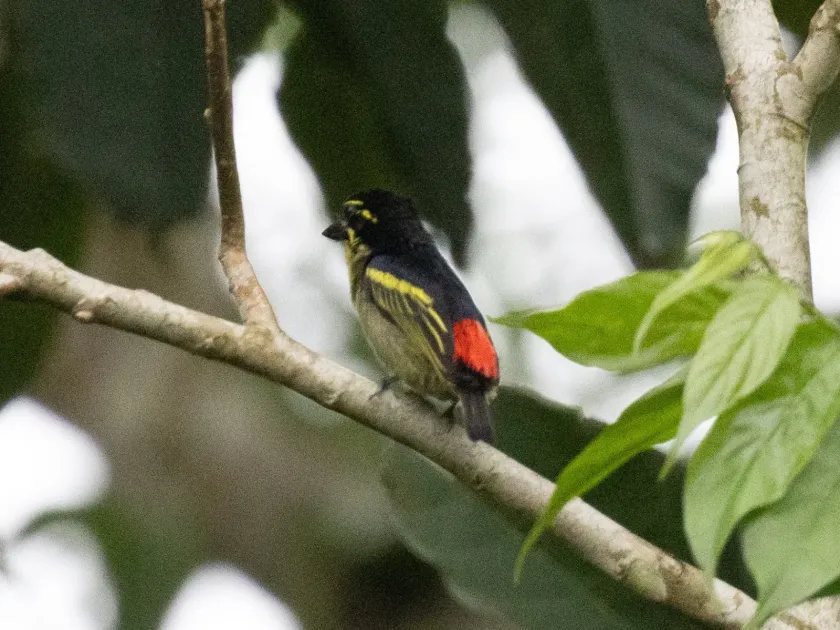
Description
How to identify
Pogoniulus belongs to the Coleoptera order and the Elateridae family, commonly known as click beetles. These insects are characterized by a unique snapping mechanism that allows them to right themselves if flipped onto their backs.
The adults typically have an elongated, dark brown or black body measuring 6–10 mm in length, often with a subtle metallic sheen. Their larvae, widely known as wireworms, are recognizable by their hard, cylindrical, yellow-to-brown bodies.
Accurate identification is often challenging due to morphological similarities with other click beetle species. Field agronomists typically perform microscopic analysis of the larval mouthparts and abdominal segments to confirm the species.
Adults are nocturnal or crepuscular, spending the day hidden under soil clumps or plant debris, which makes visual monitoring during daylight hours difficult for agricultural workers.
The lifecycle is highly dependent on local climatic conditions. Soil moisture and temperature are the primary environmental factors determining larval survival and the duration of their development stages.
What it damages
The primary damage is caused by the larvae (wireworms), which reside in the soil and feed on the subterranean parts of plants. Pogoniulus affects a wide range of agricultural crops.
Cereal crops like wheat, barley, and rye are particularly vulnerable. Additionally, high levels of infestation can severely impact corn, sunflower, and sugar beet seedlings during their early growth stages.
The larvae feed by gnawing on roots and burrowing into young stems, which disrupts nutrient uptake and often results in seedling death. Such damage also creates entry points for fungal pathogens, leading to root rot.
At high population densities, the pest can cause stand losses of up to 30–50%. Seedlings exhibit yellowing, wilting, and stunted growth, and they are easily uprooted due to the destruction of their root systems.
While adults do not directly feed on crops, their presence indicates an infestation of wireworms, which pose a persistent threat to future seasons due to their multi-year larval lifecycle.
When it appears
Pogoniulus has a prolonged lifecycle, with larvae remaining in the soil for 3 to 4 years. They move vertically through the soil profile based on temperature fluctuations throughout the year.
The mass emergence of adult beetles typically occurs in late spring and early summer, when mating and egg-laying take place in organic-rich topsoil layers.
As autumn approaches, larvae migrate deeper into the soil to overwinter safely. When spring soil temperatures rise, they migrate back toward the root zone to resume feeding on young sprouts.
The period of maximum damage intensity coincides with the germination and early vegetative stages, as the young, tender roots are most susceptible to larval feeding.
Climate anomalies can shift emergence patterns, but the developmental milestones are fundamentally tied to the cumulative heat units within the soil, governing the timing of the pest's activity.
Signs of infestation
The first indicator of an infestation is uneven plant emergence and the appearance of bare patches in the field. Affected plants usually appear significantly less vigorous than the surrounding crop.
A closer inspection of the root zone will reveal deep wounds or completely severed stems. Finding wireworms in the soil surrounding the roots is a definitive confirmation of a Pogoniulus infestation.
On sunny days, damaged plants lose turgor pressure quickly and wilt. Due to the lack of a functional root system, even mild wind can lead to the collapse of compromised seedlings.
Pre-planting soil monitoring using bait stations (such as potato or seed baits) allows farmers to estimate larval density, helping to inform decisions about the necessity of chemical seed treatments.
Adult click beetles found on sticky traps or during spring field surveys indicate a high risk of future larval pressure, necessitating careful monitoring for several years.
Control measures
Managing Pogoniulus requires an integrated approach that combines cultural practices and chemical interventions. Strategic crop rotation remains the most effective long-term control method.
- Incorporating repellent crops, such as mustard or certain legumes, into the rotation cycle to discourage infestation.
- Performing deep fall plowing to bring larvae to the surface, exposing them to predators and freezing temperatures.
- Consistent weed management, particularly the removal of couch grass, which serves as an alternative food source for larvae.
- Liming acidic soils to raise pH levels, as wireworms generally prefer slightly acidic soil environments.
- Using high-quality insecticidal seed treatments to provide protection during the critical seedling emergence phase.
The application of insecticides from the neonicotinoid or pyrethroid classes provides a chemical barrier that protects root systems during the first few weeks of the growing season.
Monitoring population density before planting enables precise, cost-effective pesticide application, preventing unnecessary environmental impact and reducing production costs.
Biological control alternatives, including the use of entomopathogenic fungi or nematodes, are increasingly utilized to suppress larval populations while maintaining soil health and ecological balance.
Taxonomy
- Latin name
- Pogoniulus
- Family
- Ramphastidae
- EPPO code
- PGONSP
Discussion
No discussions yet — be the first.