
Poecilus lepidus
Poecilus lepidus
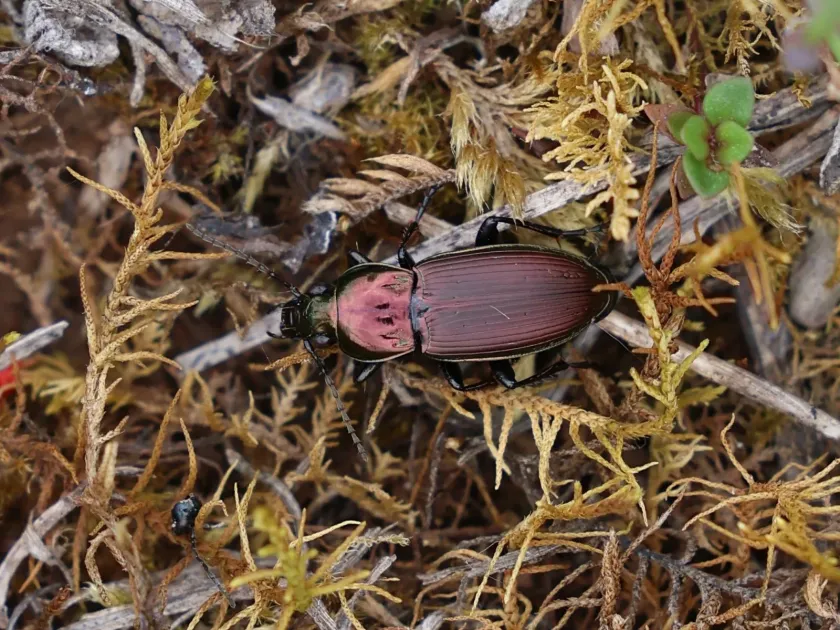
Description
How to identify
Poecilus lepidus is a species of ground beetle belonging to the family Carabidae. While many ground beetles are beneficial predators, some, including this species, can occasionally cause damage to agricultural crops.
Adult beetles are characterized by a moderately convex body with a distinctive metallic sheen, usually ranging from bronze to greenish-black. They possess strong mandibles and well-developed legs for swift movement.
The larvae are typically elongated and agile, living within the upper soil horizons where they hunt or feed. They pass through several larval stages before reaching the pupal stage in a soil cell.
Identification in the field is usually conducted using pitfall traps (Barber traps), which help agronomists monitor the beetle's activity levels throughout the growing season.
They are primarily nocturnal, often seeking shelter under debris, clods of earth, or within the surface layer of the soil during the day to avoid desiccation and predation.
What it damages
The primary concern regarding P. lepidus in agriculture is its feeding habit on germinating seeds and young seedlings, particularly in cereals and legumes.
Adults and larvae can feed on the germ of the seed or the tender tissues of the emerging shoot, which often leads to poor stand establishment and potential yield loss.
Damage is most severe during cool, wet springs when crop emergence is slow, providing the beetles with an extended period to feed on the vulnerable seeds.
When the population density is high, the pest can cause significant thinning of crops, which often necessitates costly replanting of the affected fields.
The feeding damage creates entry points for various soil-borne pathogens, leading to secondary infections that further weaken or destroy the seedlings.
When it appears
The biological cycle of P. lepidus is influenced by soil temperature and moisture levels, with activity generally commencing in early spring as the soil warms.
The peak period of damage occurs during the sowing phase and the subsequent emergence of the crop, as this is when the beetles are most active in the upper soil profile.
During the summer months, adult activity may decline, while the larvae continue their development underground, feeding on available organic matter in the soil.
The pupation phase typically occurs mid-to-late summer, resulting in the emergence of a new generation of beetles that prepare for hibernation in the soil.
Climatic conditions, specifically the amount of rainfall during the germination period, play a crucial role in determining the severity of the infestation in any given year.
Signs of infestation
Field symptoms of P. lepidus infestation include irregular patches of thinning stands where seeds failed to emerge or seedlings were destroyed shortly after germination.
Digging into the soil around missing plants often reveals damaged seeds with characteristic gnaw marks or the complete absence of the germ portion.
In cases of infestation, the presence of the beetle adults under soil clods or near the rows of the crop can be observed during field inspections.
Seedlings might appear stunted or wilted, indicating damaged root systems or impaired vascular tissues due to early-stage feeding.
- Thinning or patchy crop stands.
- Visible damage to seeds retrieved from the soil.
- Capture of adult beetles in monitoring traps.
Control measures
Effective control of P. lepidus relies on integrated pest management practices that focus on crop hygiene and soil management.
Proper tillage, including moldboard plowing, is highly effective at disrupting the life cycle of the beetle by destroying their soil shelters and pupation chambers.
Crop rotation helps to break the life cycle and reduces the buildup of pest populations, making fields less attractive to the beetles over time.
Seed treatments with systemic insecticides are the most common and effective method to protect the vulnerable stage of germination from initial beetle attacks.
Monitoring using pitfall traps allows for informed decision-making regarding the need for supplemental chemical applications based on localized population counts.
Taxonomy
- Latin name
- Poecilus lepidus
- Order
- Coleoptera (beetles)
- Family
- Carabidae
- EPPO code
- PTESLE
Discussion
No discussions yet — be the first.