
Plutella sera
Plutella sera
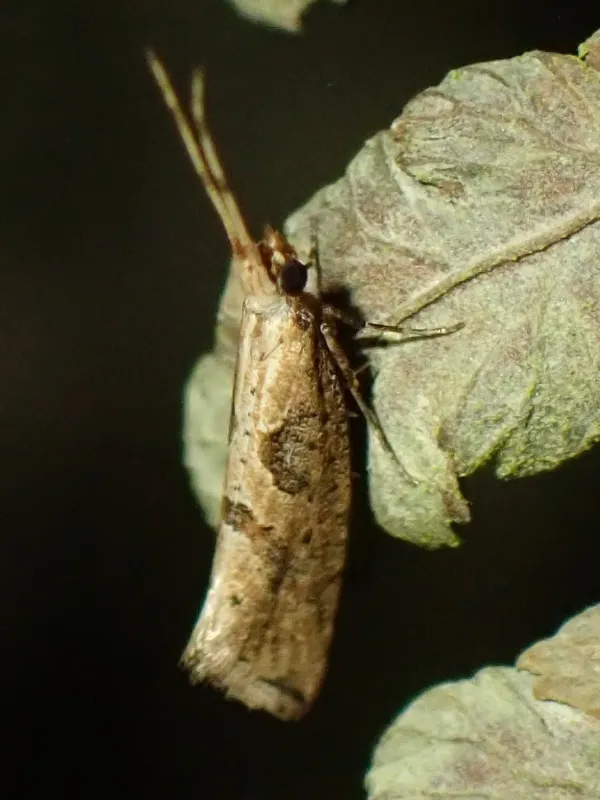
Description
How to identify
Plutella sera is a moth species belonging to the family Plutellidae, order Lepidoptera. As a significant agricultural pest, identifying this insect accurately is crucial for effective management within integrated pest control systems.
The adult moth is characterized by narrow wings with a subtle color pattern that provides effective camouflage against plant tissues and crop debris. Morphological identification usually involves examining wing patterns or genitalia under magnification to distinguish it from related species.
The lifecycle of Plutella sera consists of four distinct stages: egg, larva (caterpillar), pupa, and adult. The number of generations per year is heavily influenced by the local climate, particularly the sum of active temperatures and humidity levels.
Overwintering typically occurs during the pupal stage. The pupae are enclosed in silken cocoons attached to the undersides of leaves or protected within crop residues on the soil surface, remaining dormant until spring temperatures rise.
Once the environmental conditions are favorable, adults emerge to mate and initiate the first generation. The timing of this emergence is critical for planning preventative monitoring and early intervention strategies in the field.
What it damages
The primary damage is inflicted by the larval stage. Caterpillars possess biting mouthparts and feed on leaves, consuming the epidermis and parenchyma. This feeding activity results in windowing and irregular holes in the foliage, ultimately leading to leaf skeletonization.
The pest primarily targets crops within the Brassicaceae family, although it can adapt to various wild cruciferous weeds when commercial crops are unavailable. This adaptability allows the population to persist in agricultural environments throughout the growing season.
The level of damage is directly linked to the larval population density. High infestations can lead to significant loss of photosynthetic surface area, which hinders plant growth, weakens the plant, and ultimately results in reduced yield and lower market quality.
In addition to direct physical damage, the caterpillars' activity disrupts the plant's physiological balance. This makes the host more susceptible to drought stress and creates entry points for various bacterial and fungal pathogens, potentially leading to secondary infections.
Stunting of young plants and destruction of apical growing points are particularly damaging in the early developmental stages of the crop. Such injuries can lead to severe crop thinning and substantial economic losses if not controlled in time.
Signs of infestation
The earliest signs of Plutella sera activity are tiny, translucent "windows" on the leaf surface. As the larvae grow larger, these windows develop into larger, irregular holes that clearly indicate the presence of biting pests.
The presence of fine silken webbing is a reliable indicator of infestation. Caterpillars often spin this silk to create protective shelters or to hold leaves together, which can be observed during routine field scouting in the morning or evening.
Wilting of foliage and localized discoloration are common symptoms of heavy feeding. If you inspect the undersides of leaves, you will typically find larvae in various stages of development, which may drop to the ground when disturbed.
Small, granular fecal deposits found on the leaves and within leaf axils provide clear evidence of larval presence. These deposits often accumulate in high-density areas, serving as an important visual cue for scouts.
The presence of pupal cocoons on the stems, petioles, or leaf margins indicates the conclusion of a generation. If these are found in large numbers, it signals that a new wave of adults is likely to emerge, requiring immediate monitoring of new egg-laying.
Control measures
Cultural control practices are fundamental to managing Plutella sera. Deep plowing of fields after harvest helps to bury pupae, preventing their survival through the winter and significantly reducing the initial population pressure for the next season.
Biological control, including the use of parasitoids like Trichogramma wasps, is highly effective in managing the population at the egg stage. Utilizing these natural enemies can significantly minimize the reliance on chemical inputs.
Chemical control should be applied strictly based on the Economic Threshold (ET) levels. It is recommended to use insecticides that are effective against young larvae and to target applications during periods of peak hatch to ensure maximum efficacy.
To mitigate the risk of resistance, it is vital to rotate different chemical classes of insecticides throughout the season. Repeated use of the same product leads to selection pressure and the development of resistant populations, rendering treatments ineffective.
The core components of the management program include:
- Monitoring population levels using pheromone traps.
- Prompt destruction of crop residues and weeds.
- Using biological agents as the first line of defense.
- Timing insecticide applications to early larval development.
- Implementing regular field inspections to track population trends.
Taxonomy
- Latin name
- Plutella sera
- Order
- Lepidoptera (butterflies)
- Family
- Plutellidae
- EPPO code
- PLUTSE
Discussion
No discussions yet — be the first.